A stablecoin tied to Strategy stock depegs putting a new DeFi dollar risk in focus as Bitcoin sells off

Apyx's stablecoin, apxUSD, has recently fallen below its anticipated dollar peg, dipping as low as $0.93 during a significant market selloff on June 4. This unsettling development coincided with Bitcoin's price hovering near $63,000, prompting renewed scrutiny around the stability of decentralized finance (DeFi) dollar pegs. Apyx's unique approach ties the value of apxUSD to the performance of Strategy's STRC preferred stock, which has raised concerns among investors about the inherent risks associated with this unconventional reserve strategy.
To understand the implications of this event, it is essential to consider the broader context in which it occurred. The DeFi landscape has seen a surge in popularity, with numerous projects emerging to offer stablecoins backed by various assets. Traditionally, stablecoins aim to maintain a 1:1 peg to fiat currencies, often relying heavily on reserves of cash or cash-equivalents. However, Apyx's reliance on equity–specifically, preferred stock–introduces a level of volatility that diverges from the more conventional models used by other stablecoins.
The impact of apxUSD's depegging raises critical questions for the market, particularly regarding investor confidence in DeFi assets. As more users flock to stablecoins as a safer alternative in times of market turbulence, the stability of these tokens is paramount. Apyx's situation highlights the risks associated with innovative financial products that may not be as resilient as traditional stablecoins. If apxUSD struggles to regain its peg, it could lead to a ripple effect across the DeFi ecosystem, prompting users to reevaluate their trust in similar assets.
Industry experts have weighed in on the implications of this event, noting that while the depegging of apxUSD may be an isolated incident, it serves as a cautionary tale for the DeFi space. Some analysts suggest that the reliance on equity-based reserves could be inherently flawed, especially during periods of market volatility. Others argue that this incident underscores the need for clearer regulations and standards within the DeFi sector to safeguard against such risks in the future.
Looking ahead, the future of apxUSD will depend on Apyx's ability to stabilize its token and restore investor confidence. The broader market will be watching closely, as any further instability could lead to increased scrutiny of other DeFi stablecoins. As the landscape evolves, stakeholders may demand more transparency and accountability in how these assets are structured and maintained, shaping the future of decentralized financial instruments.

CoinMagnetic Team
Crypto investors since 2017. We trade with our own money and test every exchange ourselves.
Updated: June 2026
From our insights:
Related news

Solstice CEO predicts less volatile future for crypto cycles amid liquidity growth

Pragma flags 6 price feeds as critical risk following $3.5M Starknet lending exploit

Ethereum's $120 billion in staking masks underlying supply dynamics

NEAR price surges 80% weekly as Intents volume approaches $30 billion
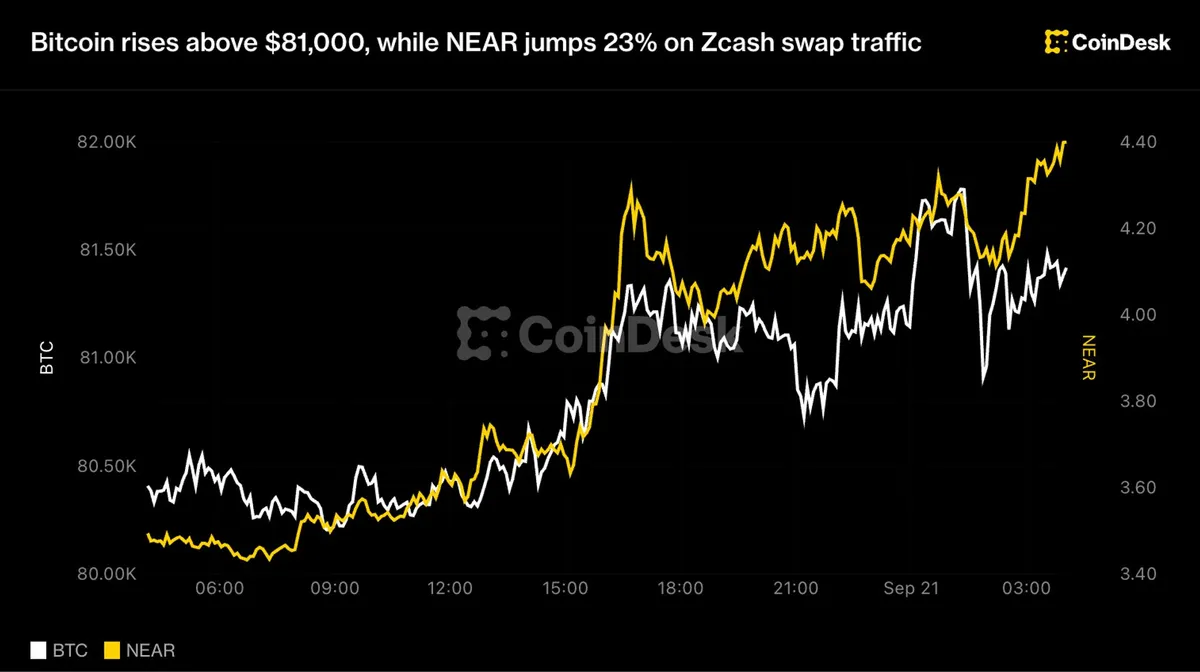
Bitcoin surpasses $81,000 as NEAR surges 23% amid Zcash swap activity