Quantum vulnerability in Zcash shielded swaps prompts developer fix proposal
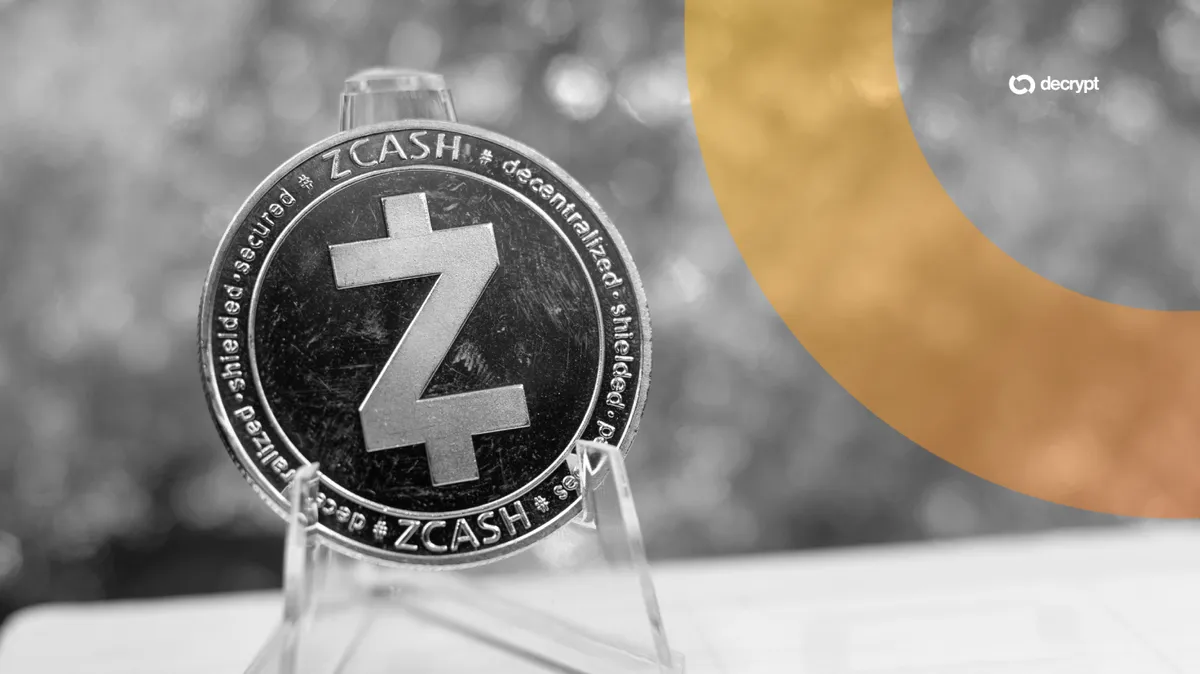
At CoinMagnetic, we have been closely following a recent development regarding Zcash, where a core developer named Zakura has put forward a technical fix designed to address a subtle cryptographic vulnerability. The issue stems from the way quantum computers could potentially exploit single published Zcash addresses, allowing a future attacker to link every payment a wallet has ever received. While shielded transactions are traditionally celebrated for their privacy, this flaw demonstrates that even advanced cryptographic systems must continuously evolve to face future computational threats.
To understand the gravity of this proposal, we need to look at how Zcash handles privacy and why quantum resistance has become a pressing topic across the entire blockchain sector. Zcash relies on zero-knowledge proofs to obscure transaction details, including sender, receiver, and amounts. However, cryptographic primitives that are currently secure against classical computers may eventually be broken by sufficiently powerful quantum machines. Zakura's intervention highlights an overlooked vector where metadata leakage could compromise the historical privacy of shielded swaps long after the transactions took place.
This matters significantly for the broader cryptocurrency market because user privacy remains a cornerstone narrative for confidential computing assets. If quantum computers can retroactively untrack historical transactions simply through a single exposed address, the long-term utility of privacy coins faces a fundamental trust crisis. Markets are increasingly sensitive to cryptographic durability, especially as institutional investors and privacy advocates evaluate which blockchain architectures can withstand technological shifts over the coming decades.
Industry experts and community members have responded to Zakura's proposal with serious discussion, weighing the complexity of implementing the fix against the timeline of quantum computing advancements. While fully fault-tolerant quantum computers are still largely theoretical, developers argue that proactive upgrades are necessary to prevent retroactive attacks. Analysts point out that privacy protocols must adopt post-quantum cryptography sooner rather than later to maintain their value proposition in a rapidly changing technological landscape.
As we look ahead, the Zcash community and its developers will need to review, test, and potentially integrate Zakura's proposed fix through upcoming network upgrades. The path toward quantum resistance is rarely straightforward, requiring careful coordination among protocol maintainers and node operators. For holders and observers alike, this situation underscores the ongoing race between cryptographic innovation and the relentless advancement of adversarial computing power.

CoinMagnetic Team
Crypto investors since 2017. We trade with our own money and test every exchange ourselves.
Updated: October 2026
From our insights:
Related news
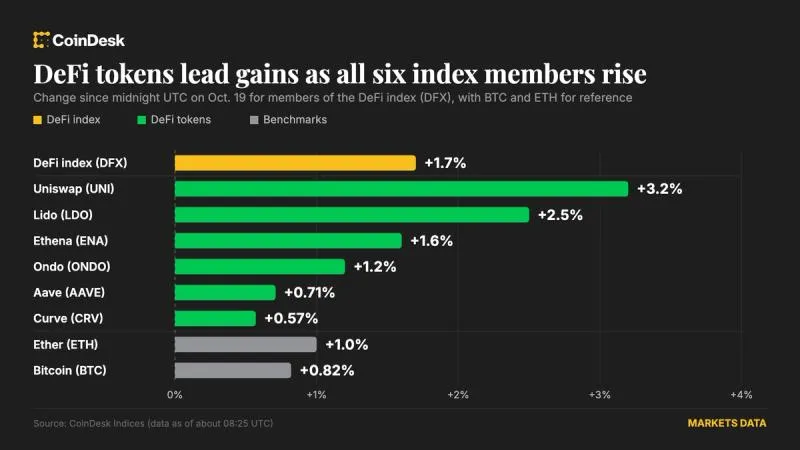
DeFi tokens outpace altcoin gains as bitcoin holds firm near $82,700

France's stablecoin tax adoption sparks broader regulatory debates

Institutional capital drives crypto vault deposits past $10 billion

CME prepares to launch bitcoin cash and uniswap futures amid global PMI updates
Zakura developers target NEAR Intents swap privacy to counter quantum threats