Institutional capital drives crypto vault deposits past $10 billion

We are watching curator-managed lending strategies gain significant momentum as total deposits across major crypto vault platforms surpass the $10 billion mark. This milestone highlights a growing appetite among institutional players for automated yield generation, even as these complex financial instruments operate in a high-stakes environment. Depositors are increasingly routing capital through these digital vaults in pursuit of optimized returns within decentralized finance ecosystems.
This influx of capital arrives against a backdrop of heightened attention from financial watchdogs regarding the safety and operational transparency of crypto lending mechanisms. Historically, lending protocols have experienced severe stress events during market downturns, often leaving participants exposed to cascading liquidations and protocol insolvencies. The current iteration of curator-managed vaults attempts to mitigate these legacy vulnerabilities through structured risk management, though underlying structural uncertainties remain.
For the broader digital asset market, this capital concentration matters because it creates potential systemic dependencies on a handful of curation strategies. While these vaults provide crucial liquidity to borrowing markets, they also aggregate substantial risk pools that could impact broader market stability if a major strategy fails. The reliance on smart contracts and external collateral introduces layers of vulnerability that extend well beyond traditional credit risk.
Industry analysts and risk experts have offered mixed reactions to this growth, praising the technological sophistication of automated vaults while warning about hidden liabilities. Market observers point out that collateral quality and liquidity mismatch are pressing concerns that automated curation cannot entirely eliminate. Critics argue that users often underestimate the smart contract risks involved in chasing double-digit yields through multi-layered protocols.
Looking ahead, market participants expect regulatory bodies to closely examine how these vaults manage user funds and assess counterparty risk. The tension between decentralized innovation and regulatory compliance will likely shape the next phase of vault development. As oversight increases, platforms that prioritize transparency and robust risk frameworks are expected to set the standard for institutional participation.

CoinMagnetic Team
Crypto investors since 2017. We trade with our own money and test every exchange ourselves.
Updated: October 2026
From our insights:
Related news
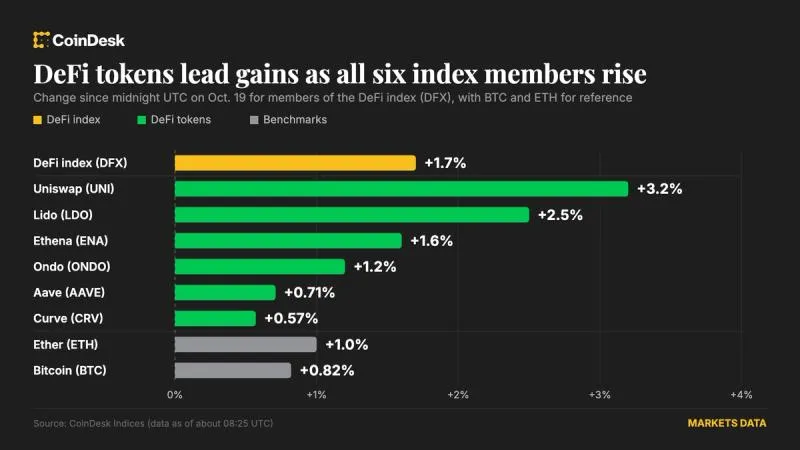
DeFi tokens outpace altcoin gains as bitcoin holds firm near $82,700

France's stablecoin tax adoption sparks broader regulatory debates

Quantum vulnerability in Zcash shielded swaps prompts developer fix proposal
CME prepares to launch bitcoin cash and uniswap futures amid global PMI updates

Zakura developers target NEAR Intents swap privacy to counter quantum threats