France's stablecoin tax adoption sparks broader regulatory debates

France has taken a notable step regarding digital asset taxation as the National Assembly recently adopted a crypto tax amendment. This legislative move specifically targets certain stablecoin swaps, bringing a fresh layer of regulatory scrutiny to how traders and investors manage their digital portfolios on a daily basis. While this particular measure cleared a significant hurdle, lawmakers continue to weigh separate and far-reaching proposals that could reshape the domestic crypto landscape, including potential exit taxes and stricter reporting requirements for self-custodial wallets.
To understand the gravity of these recent developments, we have to look at the broader trajectory of European financial regulation. France has consistently positioned itself as a key jurisdiction for fintech innovation, yet it has simultaneously maintained a cautious approach to compliance and anti-money laundering standards. The latest discussions in the National Assembly build upon a foundation of existing European Union frameworks, such as the Markets in Crypto-Assets regulation, but they also reflect domestic political pressures to close perceived tax loopholes and monitor capital flight.
For the broader market, these policy shifts carry substantial implications for liquidity and user behavior. Stablecoins serve as the primary bridge between volatile crypto assets and fiat currency, making them essential for day-to-day trading and decentralized finance operations. If swaps involving stablecoins face heavier tax burdens within a major European economy, participants might alter their trading strategies or migrate toward more permissive jurisdictions. Furthermore, any mandatory reporting tied to self-custodial wallets strikes at the core of user privacy and sovereignty, which has always been a foundational tenet for many digital asset proponents.
Industry participants, legal experts, and advocacy groups have been closely monitoring the French legislative process, offering mixed reactions to the unfolding proposals. While traditional financial institutions and compliance advocates often welcome regulatory clarity as a means to legitimize the sector, independent developers and privacy advocates express deep concern over potential overreach. Critics argue that aggressive taxation on basic token swaps and burdensome reporting rules for private hardware wallets could stifle innovation and push talented builders out of the country.
As the legislative session moves forward, all eyes remain on the French Senate and subsequent committee reviews where these amendments and proposals will face further debate and potential revision. The final outcome is far from certain, but the direction of travel is clear. Regulators are intensifying their focus on the intersections of decentralized finance and traditional taxation, meaning market participants across Europe must prepare for a more formalized and tightly monitored operating environment in the months ahead.

CoinMagnetic Team
Crypto investors since 2017. We trade with our own money and test every exchange ourselves.
Updated: October 2026
From our insights:
Related news
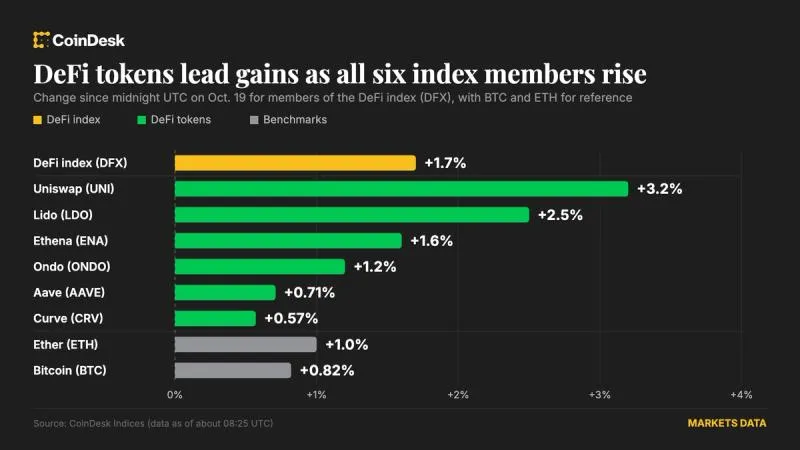
DeFi tokens outpace altcoin gains as bitcoin holds firm near $82,700

Quantum vulnerability in Zcash shielded swaps prompts developer fix proposal

Institutional capital drives crypto vault deposits past $10 billion

CME prepares to launch bitcoin cash and uniswap futures amid global PMI updates

Zakura developers target NEAR Intents swap privacy to counter quantum threats