Wall Street’s fight with Hyperliquid could decide who controls 24/7 markets
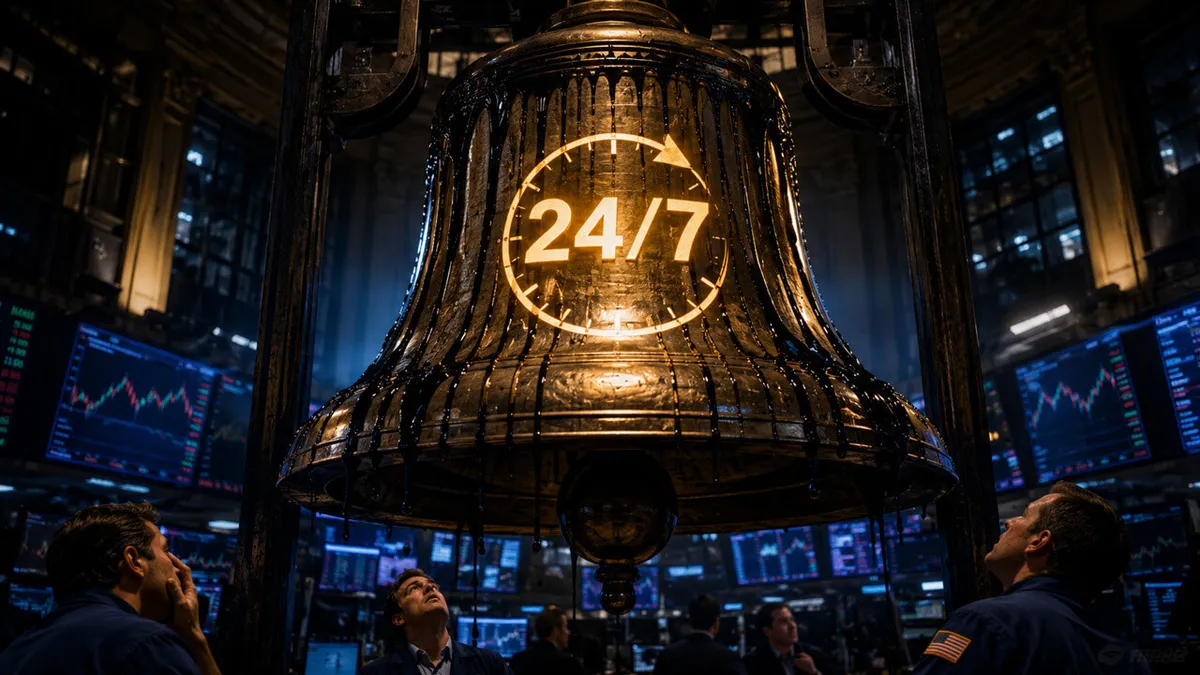
CME Group is set to revolutionize the cryptocurrency trading landscape by launching around-the-clock trading for its futures and options products starting May 29. This significant move comes as the CME's crypto product line has already recorded an impressive $3 trillion in notional volume in 2025, with activity currently running 46% ahead of that pace year-to-date. Simultaneously, ICE's New York Stock Exchange is making strides in the tokenized securities space, developing a platform intended for 24/7 operations and instant settlements. The competition between these traditional financial giants and innovative platforms like Hyperliquid will likely shape the future of market accessibility and liquidity.
The push for 24/7 trading is not merely a response to consumer demand but also a reflection of a broader trend toward digitization and constant market engagement. Historically, cryptocurrency markets have operated outside the traditional 9-to-5 constraints, allowing for a continuous trading environment that appeals to global participants. In contrast, traditional financial markets have maintained rigid operating hours, which has often limited trading opportunities. As Wall Street firms like CME and ICE venture into this space, it signals their recognition of the evolving market dynamics and the increasing importance of accessibility in driving participation.
The implications of this shift are profound for the broader market. The introduction of 24/7 trading could enhance liquidity, attract more institutional investors, and lead to tighter spreads, thereby making crypto trading more appealing. It may also encourage new trading strategies that capitalize on continuous market movements. As traditional players grapple with the innovative approaches of platforms like Hyperliquid, the competition could spur advancements in technology and trading infrastructure that ultimately benefit traders and investors alike.
Industry experts are already weighing in on this emerging landscape. Many believe that the race to control 24/7 trading will not only influence market dynamics but also determine the power balance between traditional finance and the decentralized finance (DeFi) sector. Some analysts argue that while traditional exchanges have the infrastructure and reputation, agile platforms like Hyperliquid may be better positioned to cater to the demands of the crypto-native audience. This ongoing competition is generating considerable interest as firms strategize to capture market share in a rapidly evolving environment.
Looking ahead, the question remains: how will this battle for control over 24/7 markets unfold? As both CME Group and ICE continue to develop their offerings, we can expect to see a flurry of innovations aimed at enhancing user experience and market efficiency. Additionally, regulatory considerations will play a crucial role, as both players will need to navigate the complex landscape of compliance in the crypto space. As this narrative unfolds, stakeholders across the industry will be keenly observing how it impacts not only their own operations but also the broader market landscape.

CoinMagnetic Team
Crypto investors since 2017. We trade with our own money and test every exchange ourselves.
Updated: May 2026
From our insights:
Related news

Solo GP Jed Breed raises $15 million for his second early-stage crypto fund

Crypto industry may increase PAC spending after CLARITY vote failure

SEC's crypto counsel outlines strategy for custody of digital assets

Reap aims to enhance cross-border FX with non-USD stablecoins including peso

ECB and EU central banks propose liquidity thresholds for stablecoins