Reap aims to enhance cross-border FX with non-USD stablecoins including peso
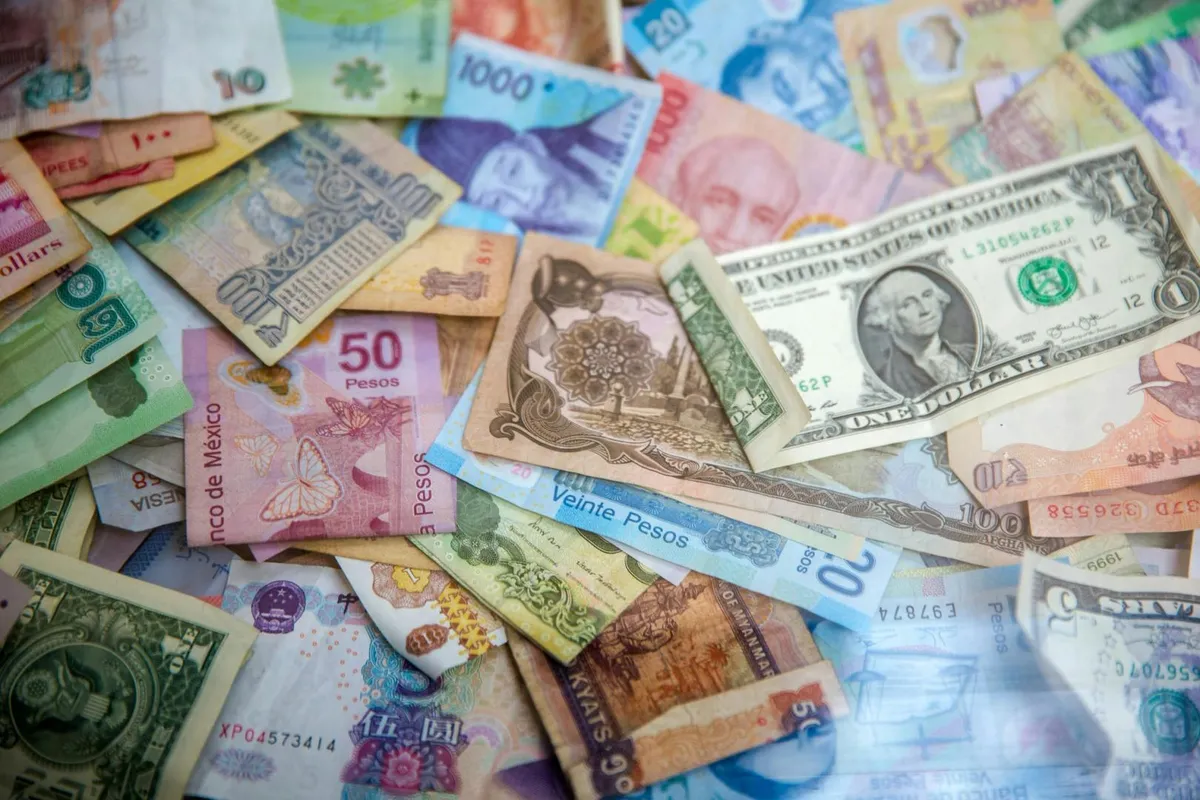
Reap, a company backed by Payward, is making significant strides in the realm of foreign exchange by betting on non-USD stablecoins. The firm is set to introduce a stablecoin pegged to the Mexican peso and is actively exploring the possibility of incorporating tokens linked to the Hong Kong dollar, euro, South Korean won, and Japanese yen. This initiative is aimed at facilitating 24/7 cross-border foreign exchange settlements, providing users with enhanced flexibility and efficiency outside traditional banking hours.
The move comes as the demand for reliable and efficient cross-border payment solutions continues to grow. Traditional banking systems often impose constraints such as limited operating hours, high fees, and long processing times. By leveraging stablecoins tied to various fiat currencies, Reap aims to overcome these barriers, making it easier for individuals and businesses to conduct transactions across borders anytime.
This development is particularly significant in the current market environment, where volatility and uncertainty have prompted many to seek alternatives to conventional financial systems. The introduction of non-USD stablecoins can mitigate risks associated with currency fluctuations and provide a more stable trading environment. As nations explore digital currencies and their potential impacts, Reap's approach could set a precedent for more innovative solutions in the foreign exchange market.
Industry experts are optimistic about this direction, noting that the adoption of stablecoins could revolutionize how foreign exchange is conducted globally. Analysts suggest that Reap's strategy might prompt other financial institutions to reconsider their offerings and invest in similar technologies. The focus on stablecoins is seen as a natural evolution in the financial sector, aligning with the broader trend of digital asset adoption.
Looking ahead, Reap's exploration into additional stablecoins signals a commitment to expanding its services and adapting to the evolving financial landscape. As the company prepares to roll out the Mexican peso stablecoin, it will be interesting to observe how this impacts cross-border transactions and whether other currencies will follow suit. The future of foreign exchange could very well hinge on the successful integration of these innovative financial instruments.

CoinMagnetic Team
Crypto investors since 2017. We trade with our own money and test every exchange ourselves.
Updated: September 2026
From our insights:
Related news

ECB and EU central banks propose liquidity thresholds for stablecoins

Four GOP senators backing CLARITY Act seek changes to stablecoin provisions

US investigates Binance for potential Iran-linked trading violations

Crypto sector emerges as top donor with $206 million in midterms backing

Stand With Crypto’s 4 million registered advocates couldn’t get the CLARITY Act through the Senate