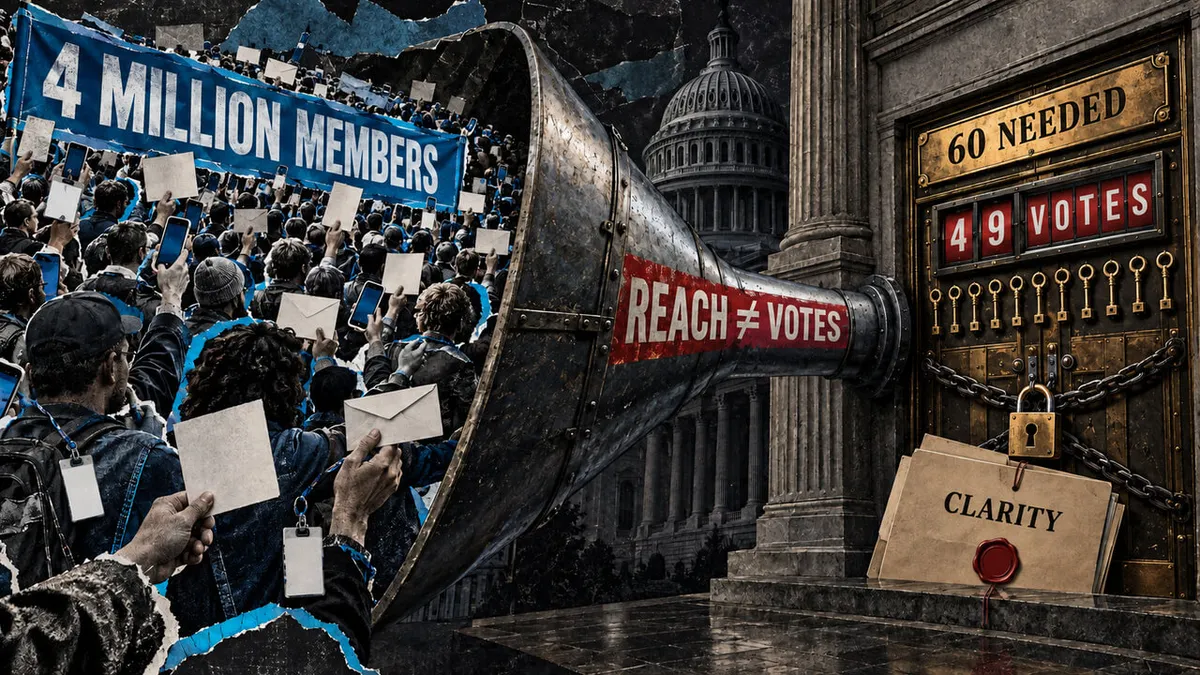
US nears ban on CBDCs until 2030 as housing bill goes to Trump

The U.S. House of Representatives has passed a housing bill that includes a significant provision aimed at prohibiting the development and implementation of central bank digital currencies (CBDCs) until the year 2030. This legislative move is now awaiting the signature of President Donald Trump, which would solidify the ban into law. The provision reflects ongoing concerns regarding the potential implications of CBDCs on the financial landscape and the broader economy. As the bill makes its way to the president's desk, it represents a critical moment in the ongoing debate surrounding digital currencies and their future in the United States.
The context for this legislation stems from a growing skepticism among lawmakers regarding CBDCs. Advocates for the ban argue that CBDCs could pose risks to financial privacy, introduce new regulatory challenges, and potentially undermine the existing banking system. Historically, the U.S. has taken a cautious approach toward digital currencies, often emphasizing the need for careful consideration of their impacts. This legislative action is part of a broader dialogue in which policymakers are weighing the benefits of digital currency innovations against the potential risks they may introduce.
The implications of such a ban could be profound for the cryptocurrency market and the financial industry at large. By delaying the introduction of CBDCs, the U.S. may signal to other nations that are exploring their own digital currency initiatives that caution is warranted. This could potentially slow down the overall momentum in the digital currency space, as countries may reconsider their own timelines for CBDC development. Conversely, the decision may provide a temporary boost to existing cryptocurrencies, as market participants look for alternatives to government-backed digital currencies.
Industry reactions to the proposed ban have been mixed. Some experts argue that a ban may hinder the U.S.’s ability to remain competitive in the global digital currency race, as other countries like China and the European Union are making significant strides in their CBDC initiatives. Conversely, others believe that the ban is a necessary step to safeguard consumer interests and maintain financial stability. The discourse surrounding this legislation highlights the continuing divide among stakeholders in the financial sector, with opinions ranging from enthusiastic support for innovation to staunch caution against potential overreach.
Looking ahead, if President Trump signs the bill into law, the focus will likely shift toward how this ban will be enforced and the potential for future legislative changes. While the 2030 timeline may seem distant, the landscape of digital currencies is evolving rapidly, and ongoing discussions will be crucial in determining the future of both CBDCs and cryptocurrencies in the U.S. As the industry awaits the president's decision, the outcome will undoubtedly shape the regulatory framework and market dynamics for years to come.

CoinMagnetic Team
Crypto investors since 2017. We trade with our own money and test every exchange ourselves.
Updated: June 2026
From our insights:
Related news

Reap aims to enhance cross-border FX with non-USD stablecoins including peso

ECB and EU central banks propose liquidity thresholds for stablecoins
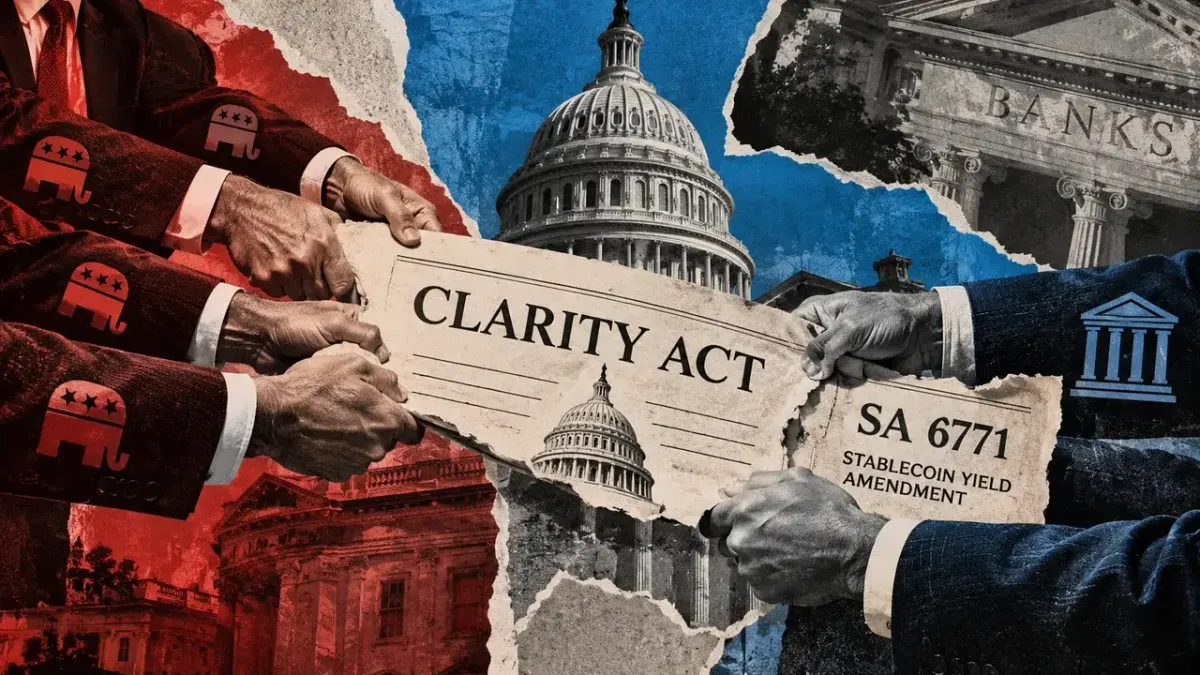
Four GOP senators backing CLARITY Act seek changes to stablecoin provisions

US investigates Binance for potential Iran-linked trading violations
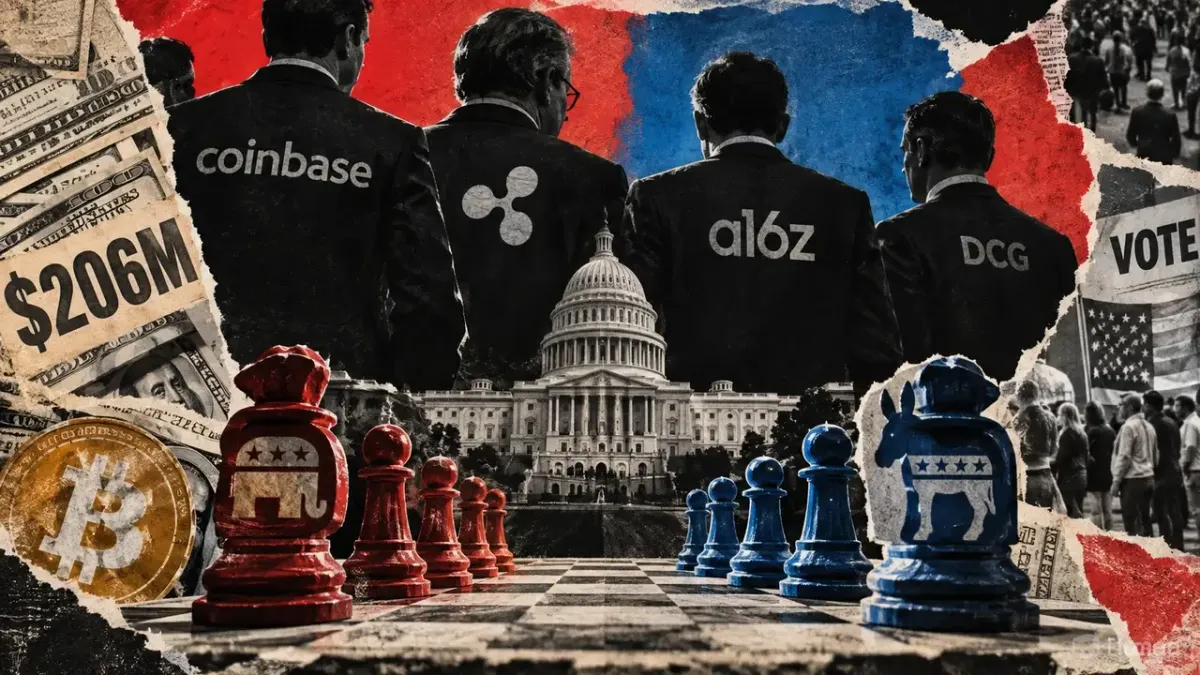
Crypto sector emerges as top donor with $206 million in midterms backing