Surviving parts of FTX highlight need for CLARITY Act, says Bullish's Abernethy
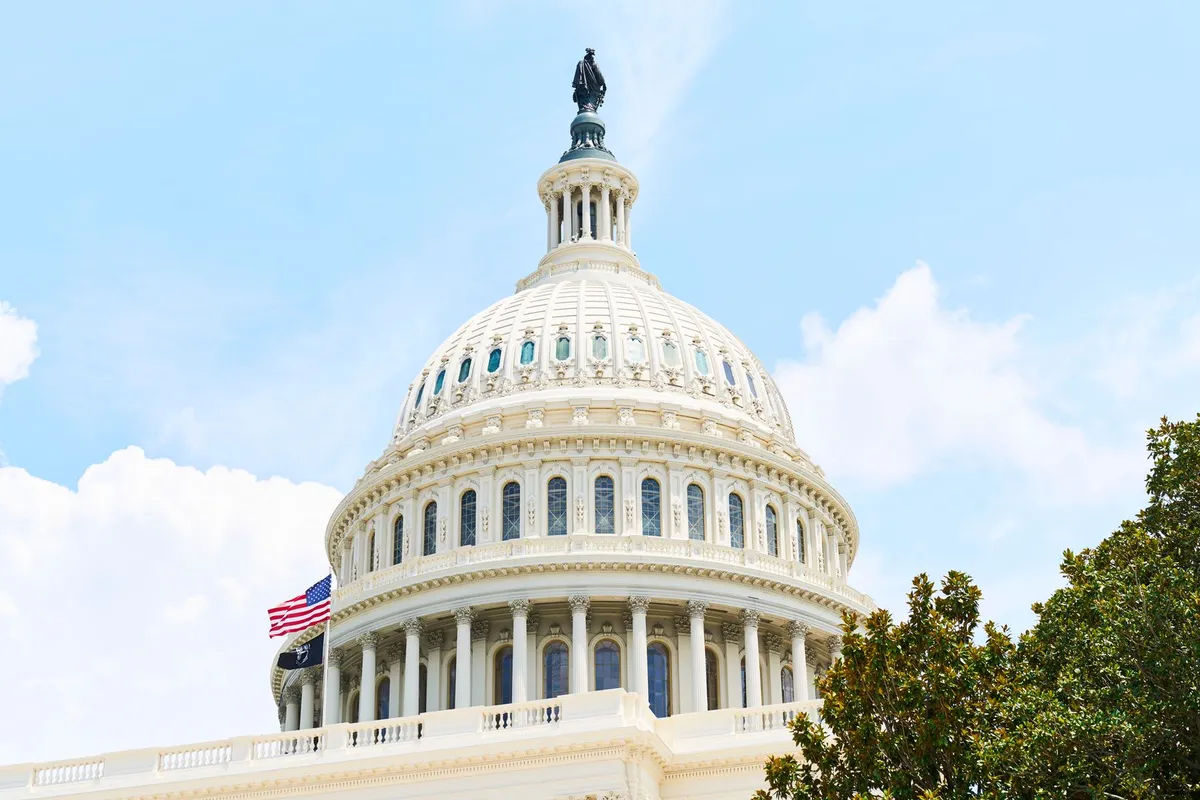
The recent collapse of FTX sent shockwaves throughout the cryptocurrency industry, but amidst the chaos, some segments of the exchange managed to endure–specifically those governed by established legal frameworks. Randi Abernethy from Bullish emphasizes that as mainstream finance increasingly integrates with digital assets, the existing legal protections should evolve accordingly. The Senate's recent failure to pass the CLARITY Act raises concerns about the regulatory landscape for cryptocurrencies and how it will impact the future of digital asset trading.
FTX's downfall exposed significant vulnerabilities within the crypto market, prompting calls for more robust regulations. The CLARITY Act, which aims to provide clear definitions and guidelines for digital assets, was designed to address these very issues. Its absence in the Senate signals a reluctance to adapt, even as traditional finance becomes more intertwined with the world of cryptocurrencies. The legal structures that survived the FTX fallout underscore the necessity for a regulatory framework that can govern the unique challenges posed by digital assets.
The implications of the Senate's inaction are profound for the cryptocurrency market. Without clear regulations, the potential for further collapses looms large, and investor confidence may wane. The survival of certain components of FTX highlights a critical need for clarity and consistency in how digital assets are treated legally. A lack of regulation could stifle innovation and keep institutional investors on the sidelines, ultimately hindering the growth of the sector.
Industry reactions have been mixed, with some experts voicing frustration over the Senate's decision. Abernethy’s comments reflect a broader consensus among industry leaders that regulatory clarity is essential for the maturation of the crypto market. As more financial institutions venture into digital assets, the urgency for a comprehensive regulatory framework becomes even more pronounced. Without it, the industry risks repeating the mistakes of the past.
Looking ahead, the future of the CLARITY Act remains uncertain. While advocates will likely continue to push for its passage, the broader political landscape may complicate its chances. Stakeholders in the cryptocurrency space must prepare for ongoing debates and potential revisions to the proposed legislation. As the market evolves, so too will the discussions surrounding regulation, making it imperative for industry participants to stay informed and engaged.

CoinMagnetic Team
Crypto investors since 2017. We trade with our own money and test every exchange ourselves.
Updated: August 2026
From our insights:
Related news

Kakao Pay, KakaoBank to explore stablecoin opportunities with Fireblocks

US Attorney's investigation into Binance focuses on Iran sanctions compliance

ECB initiates wholesale digital euro for banks and tokenized bond purchases

X files lawsuit against two influencers over $278,000 payout scheme

TD Cowen predicts limited interest in tokenized stocks despite SEC trading changes