U.S. sanctions Shelbit and Aban Tether to limit Iran's crypto access
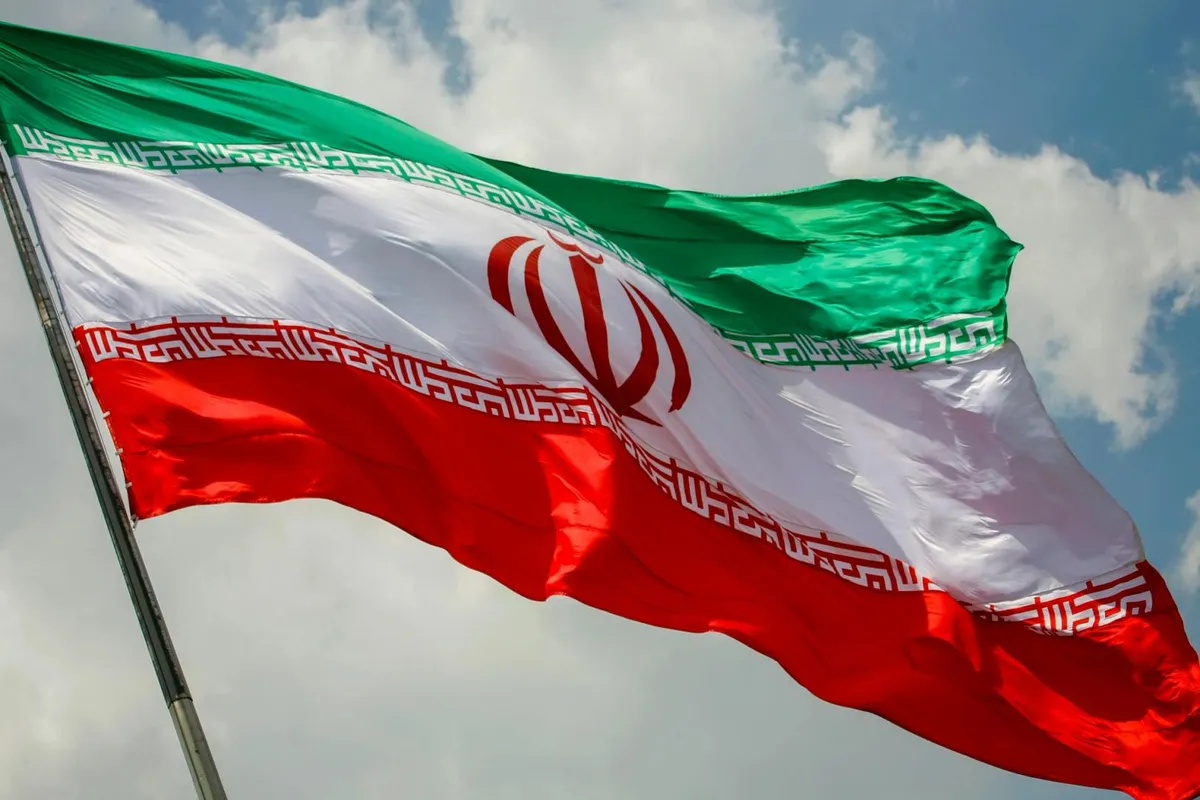
The U.S. Department of the Treasury's Office of Foreign Assets Control (OFAC) has expanded its crackdown on Iranian cryptocurrency operations by imposing sanctions on two exchanges–Shelbit and Aban Tether. This move is part of a broader strategy to curtail Tehran's ability to leverage cryptocurrencies and foreign currencies in its economic activities. The sanctions are expected to restrict these exchanges from facilitating cryptocurrency transactions, thereby impacting Iran's access to global financial systems.
The backdrop to these sanctions is rooted in ongoing tensions between the U.S. and Iran, particularly concerning Iran's nuclear program and its financing. The U.S. has been increasingly vigilant in monitoring and regulating financial channels that could potentially enable Iran to bypass economic sanctions. By targeting crypto exchanges, which have become a popular means of circumventing traditional banking systems, the U.S. aims to tighten the noose around Iran's economic capabilities.
These sanctions carry significant implications for the cryptocurrency market, as they underscore the increasing intersection of digital currencies with geopolitical issues. The U.S. government's actions signal a commitment to regulating the crypto space not just for security and fraud prevention, but also as a tool for foreign policy. As such, this could lead to heightened scrutiny of other exchanges and players in the crypto ecosystem, particularly those connected to jurisdictions considered risky or hostile by the U.S.
Industry experts have expressed mixed reactions to these developments. Some believe that increased regulatory oversight is necessary to protect the integrity of the financial system, while others caution that such measures may stifle innovation and drive crypto activity underground. The sanctions against Shelbit and Aban Tether may also provoke a response from other countries that view such actions as overreach, potentially leading to a more fragmented global crypto landscape.
Looking ahead, it will be crucial to monitor how these sanctions impact the operations of the targeted exchanges and the broader Iranian crypto market. Additionally, the global response to the U.S. stance on cryptocurrency regulation could shape future policies and alliances. As governments continue to grapple with the implications of digital currencies, the landscape will likely evolve, prompting further regulatory actions and market adaptations.

CoinMagnetic Team
Crypto investors since 2017. We trade with our own money and test every exchange ourselves.
Updated: August 2026
From our insights:
Related news

ECB and EU central banks propose liquidity thresholds for stablecoins

Four GOP senators backing CLARITY Act seek changes to stablecoin provisions
US investigates Binance for potential Iran-linked trading violations

Crypto sector emerges as top donor with $206 million in midterms backing

Stand With Crypto’s 4 million registered advocates couldn’t get the CLARITY Act through the Senate