Underdog sues Connecticut to stop sports prediction market crackdown

Underdog, a prominent player in the sports prediction market, has filed a lawsuit against the state of Connecticut in response to recent cease-and-desist orders aimed at various prediction market platforms, including Polymarket and Coinbase. The legal action seeks to challenge the state's authority to impose restrictions on these platforms, arguing that such measures are unwarranted and detrimental to innovation in the emerging market. The lawsuit highlights the growing tensions between state regulators and the rapidly evolving landscape of online prediction markets.
The context of this legal battle stems from the increasing scrutiny that sports prediction markets have faced in recent years. As these platforms gain popularity, regulatory bodies have become more vigilant, seeking to enforce laws that they argue protect consumers and ensure fair play. The cease-and-desist orders issued by Connecticut are part of a broader trend where states are reevaluating their stance on online gambling and prediction markets, often resulting in a patchwork of regulations that can stifle growth and innovation.
This lawsuit is significant for the broader market as it could set a precedent for how states regulate prediction markets and similar platforms. If Underdog succeeds in its legal challenge, it may embolden other companies in the space to push back against regulatory overreach. Conversely, if the state prevails, it could lead to stricter regulations that may hinder the growth of the prediction market sector, potentially impacting investment and user engagement.
Industry reactions to the lawsuit have been mixed, with some experts praising Underdog for taking a stand against what they perceive as overregulation, while others caution that legal battles can be costly and time-consuming. Analysts believe that the outcome of this case will be closely watched not only by other prediction market platforms but also by state regulators across the country, as it may influence future policy decisions related to online gambling and prediction markets.
Looking ahead, the lawsuit could lead to a drawn-out legal process that may take months or even years to resolve. As both parties prepare for court, the prediction market landscape may continue to evolve, with other states potentially looking to implement similar regulations. Stakeholders will be keenly observing the developments in this case to gauge the future trajectory of prediction markets in the United States.

CoinMagnetic Team
Crypto investors since 2017. We trade with our own money and test every exchange ourselves.
Updated: September 2026
From our insights:
Related news

AI has been a ‘net negative’ for crypto: Phemex CEO

Zcash votes show 99.9% support for 25-second blocks and halving schedule

Senator Tillis seeks to revive CLARITY Act after setback, industry split on timing
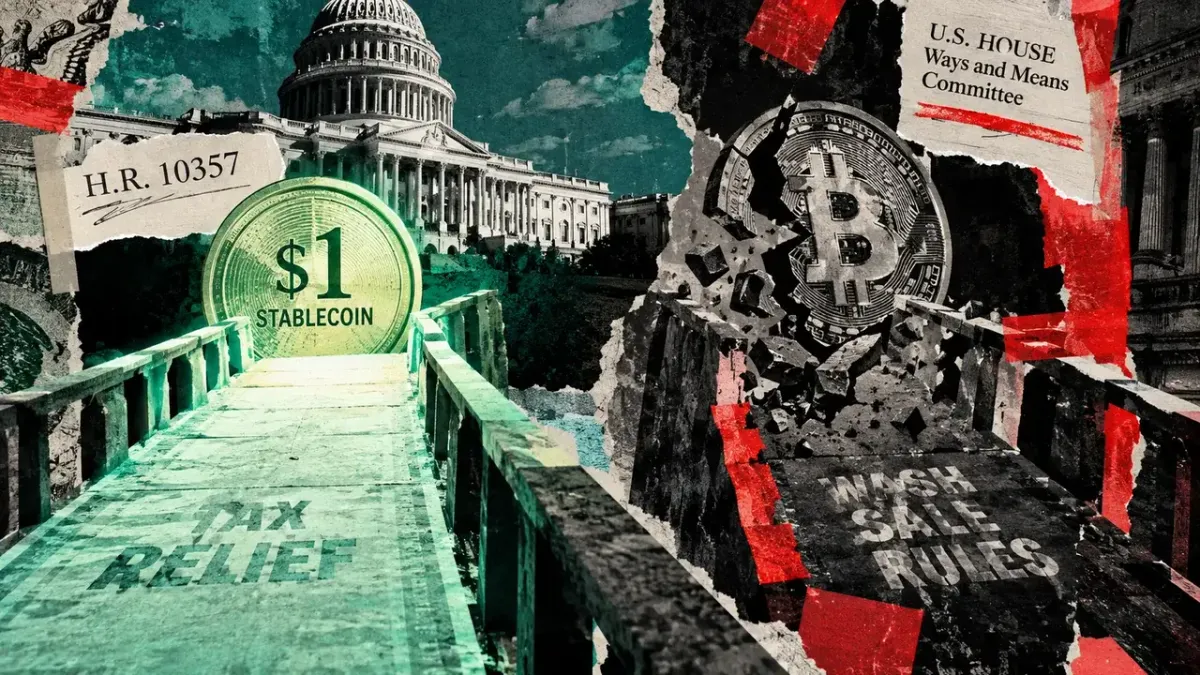
Proposed H.R. 10357 aims to simplify crypto use while raising $500 million in taxes
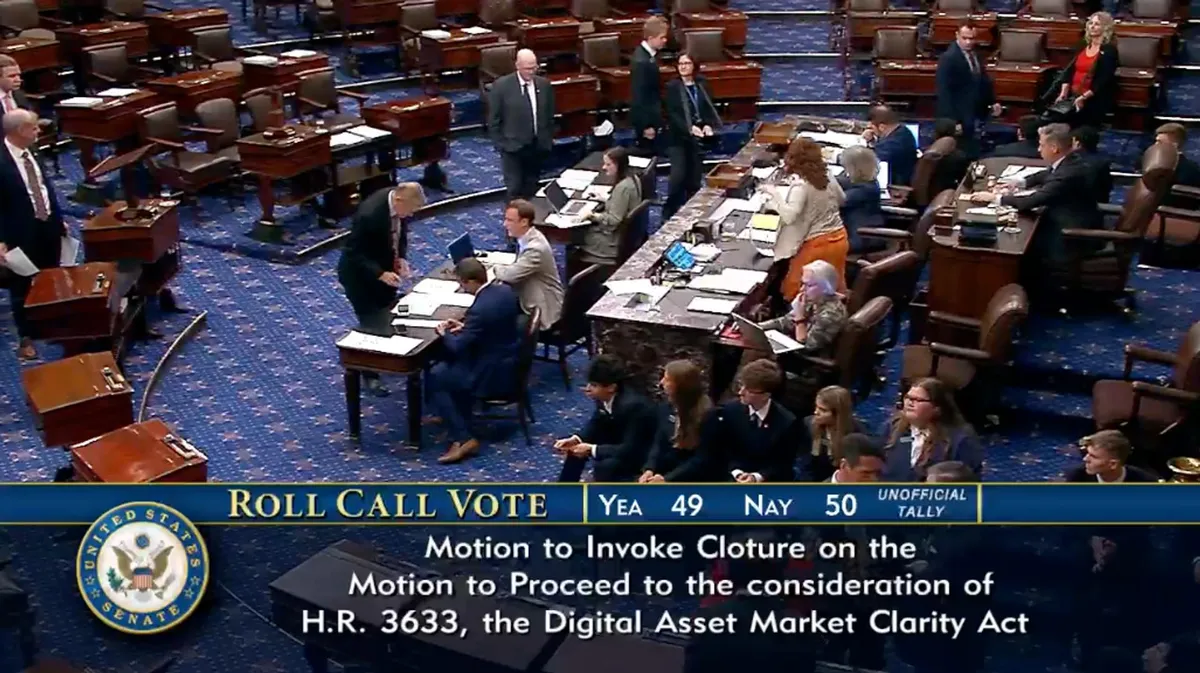
Disputes undermine crypto industry's hopes for Clarity Act legislation