U.S. Treasury's GENIUS Act could define stablecoin regulations
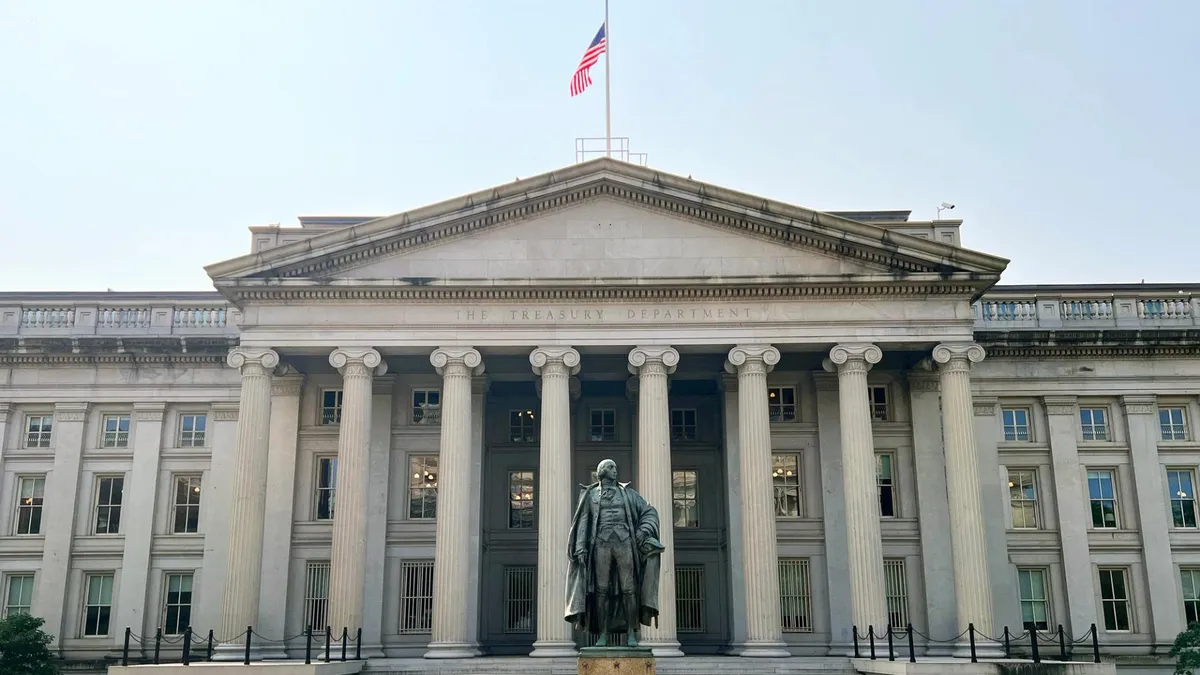
The U.S. Treasury Department has recently proposed new regulations under the GENIUS Act that aim to establish foundational definitions and jurisdictions for stablecoins. This proposal is a significant step towards clarifying the regulatory landscape for the burgeoning stablecoin market. The regulations would serve as guidelines for how stablecoins are categorized and governed, addressing various components of the law that Congress finalized last year. By laying down these core definitions, the Treasury is setting the stage for a more structured approach to stablecoin oversight, which could have far-reaching implications for issuers and users alike.
This proposal comes at a time when stablecoins are gaining traction, especially in the context of their increasing use in decentralized finance (DeFi) and other blockchain applications. The GENIUS Act is a critical piece of legislation that reflects the growing recognition of stablecoins' role in the financial ecosystem. With the rapid expansion of digital assets, regulatory bodies have been under pressure to create frameworks that protect consumers while fostering innovation. The Treasury's initiative signals a commitment to addressing these concerns and providing clarity to market participants.
The establishment of clear regulations under the GENIUS Act is essential for the stability and growth of the cryptocurrency market. By defining what constitutes a stablecoin and delineating the responsibilities of issuers, the Treasury aims to mitigate risks associated with these digital assets. This clarity could attract more institutional investment into the space, as firms would have a better understanding of the legal implications of engaging with stablecoins. Furthermore, a well-regulated environment is likely to enhance consumer confidence, encouraging more widespread adoption of stablecoins in everyday transactions.
Reactions from the industry have been mixed, with some experts welcoming the move as a necessary evolution in regulatory policy. They argue that defining stablecoins will enable a more secure and trustworthy market, ultimately benefiting both consumers and businesses. Conversely, some critics express concerns that overly stringent regulations could stifle innovation and limit the competitive edge that the U.S. currently holds in the cryptocurrency sector. Many stakeholders are closely monitoring the development of these regulations, eager to see how they will unfold and impact the future of stablecoin projects.
Looking ahead, the Treasury's proposal is just the beginning of a broader dialogue about stablecoin regulation. As discussions progress, we can expect further input from various stakeholders, including industry participants, consumer advocates, and lawmakers. The final regulations could be shaped significantly by this feedback, and ongoing developments will likely continue to influence the market dynamics of stablecoins. Ultimately, how the GENIUS Act is implemented will play a crucial role in shaping the future landscape of cryptocurrency regulation in the U.S.

CoinMagnetic Team
Crypto investors since 2017. We trade with our own money and test every exchange ourselves.
Updated: August 2026
From our insights:
Related news

Singapore's crypto economy grows 55% as China warns spies about blockchain
SEC's proposed framework allows investment advisers to self-custody crypto assets

SEC's new proposal clarifies crypto custody for advisers and funds

SEC's new custody proposal advances digital asset regulation as Peirce departs

Hyperliquid Policy Center, Circle press EU on perps and stablecoin reserves in MiCA review