SEC's proposed framework allows investment advisers to self-custody crypto assets
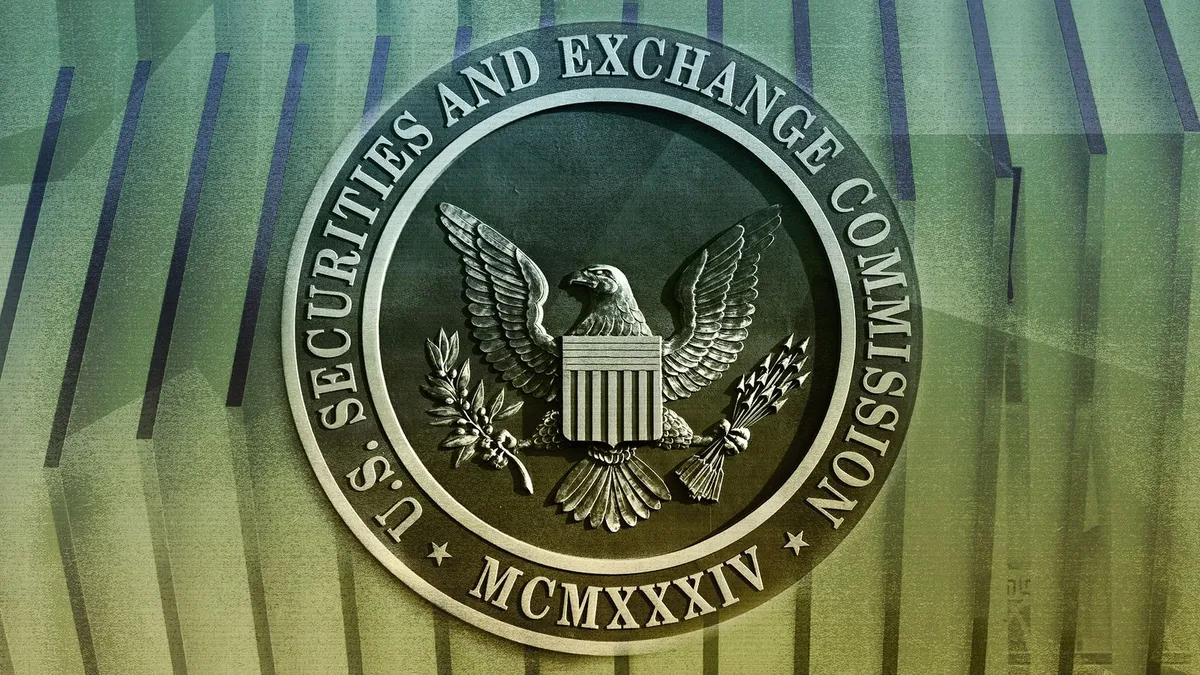
The U.S. Securities and Exchange Commission (SEC) recently unveiled a proposed framework that could significantly change how investment advisers and funds manage cryptocurrency. This new framework would permit certain investment advisers to self-custody digital assets, a shift that could empower these financial entities by giving them more control over their crypto holdings. Additionally, the proposal opens the door for state-chartered trust companies to serve as custodians for these assets, potentially increasing the reliability and security of digital asset management within the regulatory landscape.
The context of this proposal lies in the SEC's ongoing efforts to establish clear regulations around cryptocurrencies, particularly in light of the growing presence of digital assets in investment portfolios. Historically, the SEC has taken a cautious approach to cryptocurrency regulation, often requiring that assets be held by regulated third-party custodians. This new framework marks a notable departure from that approach, suggesting a more accommodating stance toward innovation in the financial sector while still maintaining investor protections.
This development is essential for the crypto market as it could lead to increased institutional participation. By allowing self-custody, the SEC is addressing a significant barrier that has kept some investment advisers from fully engaging with cryptocurrencies. With more flexibility in how these assets are managed, we could see a surge in the adoption of crypto investment strategies, which may contribute to market growth and stability.
Industry reactions to the SEC's proposal have been mixed, with some experts praising it as a step forward for the crypto ecosystem. They argue that enabling self-custody could enhance operational efficiency and reduce costs for investment advisers. However, others express concern about the potential risks associated with self-custody, including security vulnerabilities and the challenges of regulatory compliance. As the proposal is discussed further, stakeholders in the crypto and financial sectors will be closely monitoring the SEC's next steps and the implications for future regulatory frameworks.
Looking ahead, the SEC's proposal will undergo a comment period, during which industry participants and the public can provide feedback. The commission may refine its approach based on this input before finalizing the framework. If adopted, this could set a precedent for how digital assets are treated within the broader financial regulatory environment, potentially paving the way for further innovations in the custody and management of cryptocurrencies.

CoinMagnetic Team
Crypto investors since 2017. We trade with our own money and test every exchange ourselves.
Updated: October 2026
From our insights:
Related news

Singapore's crypto economy grows 55% as China warns spies about blockchain

SEC's new proposal clarifies crypto custody for advisers and funds

SEC's new custody proposal advances digital asset regulation as Peirce departs

Hyperliquid Policy Center, Circle press EU on perps and stablecoin reserves in MiCA review

50,000 Europeans call on EU to ease stablecoin rewards restrictions in MiCA review