U.S. Senate passes housing bill that carries four-year ban on a Fed CBDC
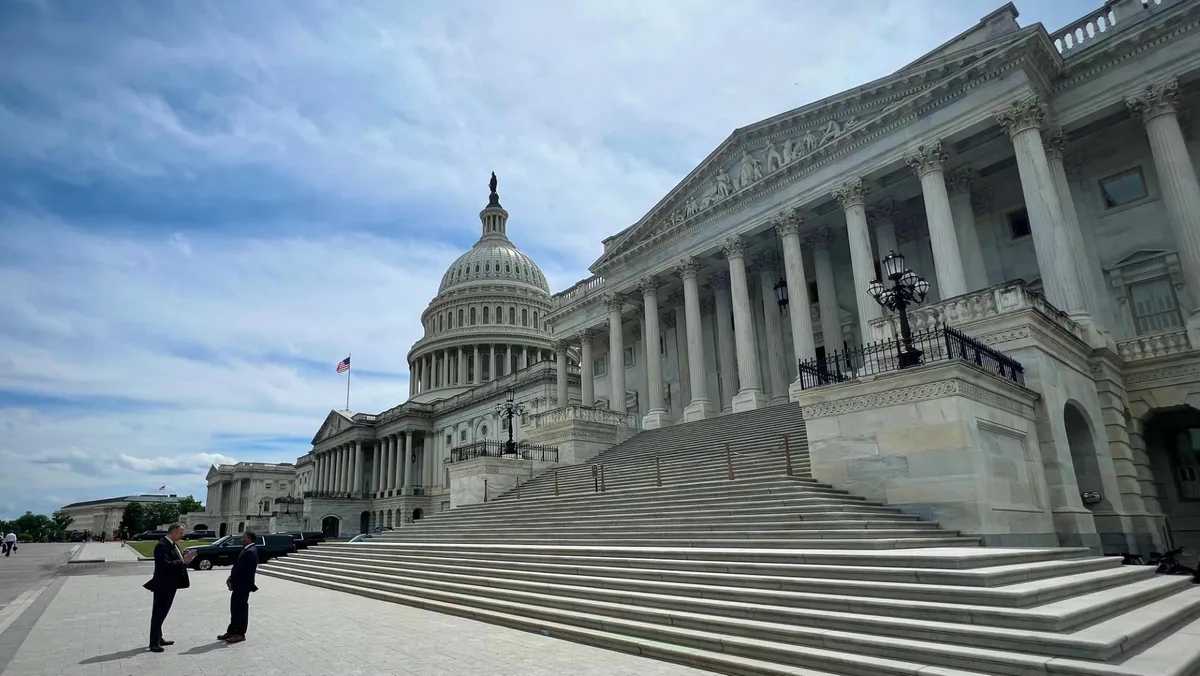
The U.S. Senate has recently passed a housing bill that includes a significant provision: a four-year ban on the development and implementation of a central bank digital currency (CBDC) by the Federal Reserve. This decision marks a notable shift in legislative attitudes towards digital currencies, particularly as discussions around CBDCs have gained traction in recent years. While the Federal Reserve has primarily treated the concept of a U.S. CBDC as a research topic, this legislative move could stifle any potential advancement in that direction for the next four years, effectively placing a hold on an area that many see as crucial for the future of the U.S. financial system.
To understand the implications of this decision, it is essential to consider the broader context surrounding CBDCs. Central banks around the globe have been exploring the idea of digital currencies, driven by factors like the increasing digitization of money, the rise of cryptocurrencies, and the quest for enhanced monetary policy tools. The Federal Reserve has been cautious, conducting research and seeking public input, but has yet to commit to developing a CBDC. The new legislation suggests a growing concern among lawmakers regarding the potential impacts of a CBDC on privacy, financial stability, and the existing banking framework.
The significance of this ban cannot be understated. For the cryptocurrency market and the broader financial ecosystem, the Senate's decision reflects a cautious approach to innovation and regulation. Many investors and stakeholders in the crypto space have been watching the U.S. government's stance on digital currencies closely, as any move toward a CBDC could have far-reaching effects on how cryptocurrencies operate. With this ban in place, it is likely that the market will experience less regulatory uncertainty in the short term, but it could also mean that the U.S. risks falling behind other nations that are actively pursuing CBDC initiatives.
Industry reactions have varied, with some experts applauding the Senate's decision as a protective measure for financial privacy and market competition. Critics, however, argue that the ban could hinder innovation and delay the U.S.'s ability to adapt to an increasingly digital economy. Some industry leaders have expressed concern that this legislative action may send a negative signal to investors and innovators, potentially pushing them toward more crypto-friendly jurisdictions. The debate over the future of CBDCs will undoubtedly continue, as both sides present compelling arguments for and against their development.
Looking ahead, it remains to be seen how this four-year ban will shape the conversation around a U.S. CBDC. While the Federal Reserve has indicated a cautious approach, the ongoing discussions in Congress may evolve as the global landscape changes. If other countries proceed with their CBDCs, the pressure may increase on U.S. lawmakers to reconsider their stance. As the digital currency landscape continues to develop, we will be monitoring how this ban influences both regulatory frameworks and market dynamics in the months and years to come.

CoinMagnetic Team
Crypto investors since 2017. We trade with our own money and test every exchange ourselves.
Updated: June 2026
From our insights:
Related news

Crypto sector emerges as top donor with $206 million in midterms backing
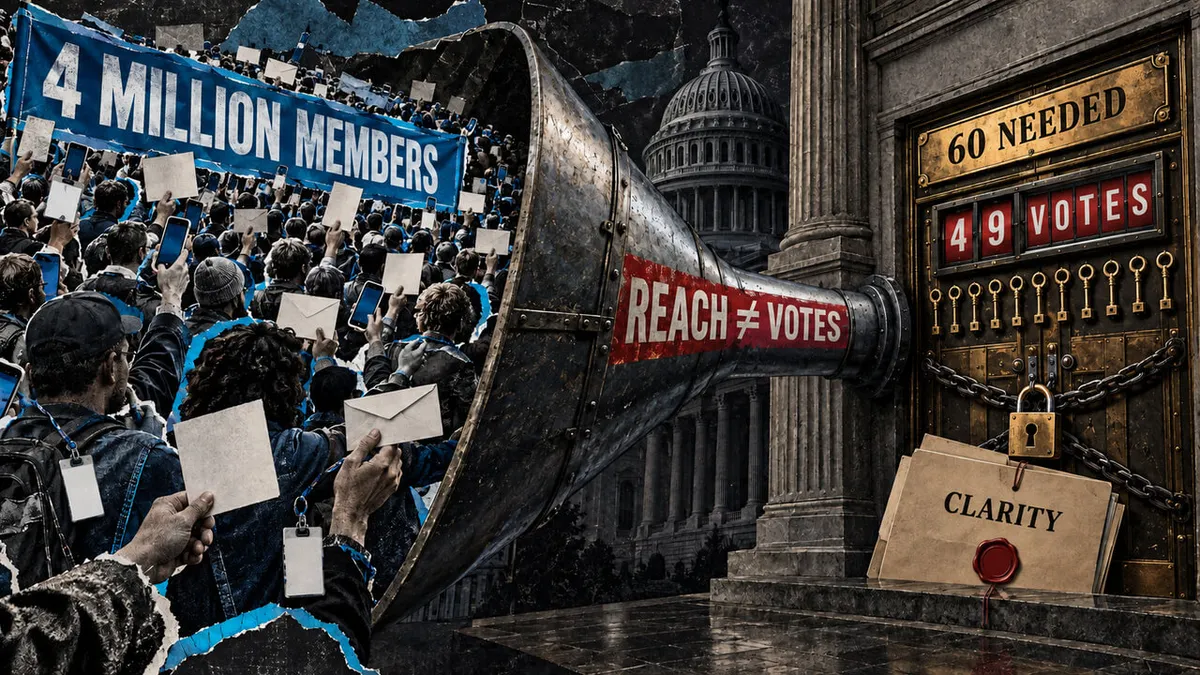
Stand With Crypto’s 4 million registered advocates couldn’t get the CLARITY Act through the Senate

Kakao Pay, KakaoBank to explore stablecoin opportunities with Fireblocks

US Attorney's investigation into Binance focuses on Iran sanctions compliance

ECB initiates wholesale digital euro for banks and tokenized bond purchases