U.S. agencies seek stablecoin customer-ID rules akin to banks in new GENIUS Act rule
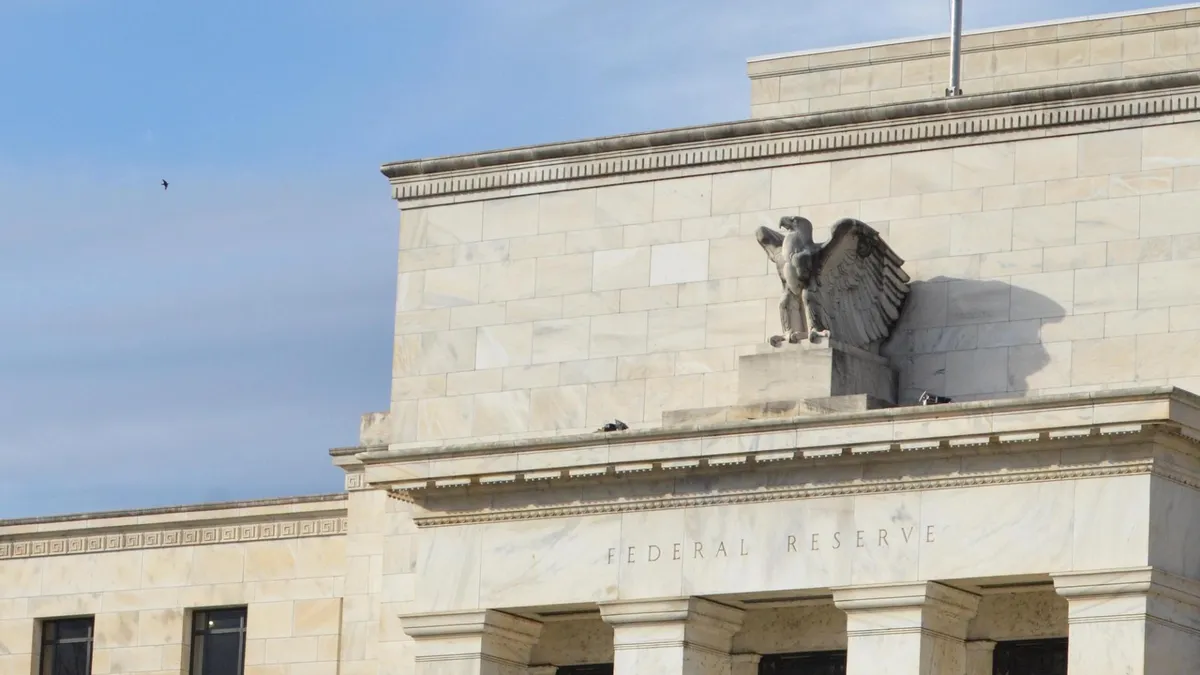
The recent announcement from the Federal Reserve, Treasury, and other regulatory agencies regarding the proposed GENIUS Act rule marks a significant shift in how stablecoins may be regulated in the United States. This proposed rule aims to establish customer identification standards for stablecoin transactions, aligning them more closely with the identification requirements that traditional banks must adhere to. By enhancing these regulatory frameworks, the agencies seek to ensure a higher level of transparency and accountability within the rapidly evolving stablecoin market. Importantly, this new rule is currently open for public comments, inviting feedback from stakeholders and the general public.
To understand the implications of this proposal, it’s essential to consider the broader context of stablecoins in the financial ecosystem. Stablecoins have gained immense popularity due to their perceived stability compared to more volatile cryptocurrencies. They play a crucial role in various sectors, including digital payments, remittances, and decentralized finance (DeFi). However, as their usage has grown, so have concerns about potential risks associated with money laundering, fraud, and inadequate consumer protections. This proposed rule appears to be a proactive approach by U.S. regulators to address these issues before they escalate further.
The introduction of customer identification standards for stablecoins is poised to have a profound impact on the market. By potentially imposing stricter compliance measures, this regulation could lead to increased operational costs for stablecoin issuers. Additionally, it may discourage the entry of new players into the market, thereby consolidating power among existing, well-established entities that can better absorb these compliance costs. On the other hand, by promoting greater transparency, this rule could instill more confidence among consumers and investors, potentially leading to a more stable environment for stablecoin transactions in the long run.
Industry reactions to the proposed rule have been mixed. Some experts applaud the move as a necessary step toward ensuring consumer protection and financial stability. They argue that implementing similar identification standards as those in traditional banking could help mitigate risks associated with illicit activities. However, others express concern that overly stringent regulations could stifle innovation within the burgeoning crypto space. Critics suggest that the rules may inadvertently push users toward unregulated or offshore services, which could lead to the very issues the regulators aim to prevent.
Looking ahead, the outcome of the public comment period will be crucial in shaping the final version of the GENIUS Act rule. Stakeholders across the industry will be keenly observing how the feedback is integrated into the final regulations. As the dialogue between regulators and the crypto community unfolds, it remains to be seen how these proposed rules will balance the need for consumer protection with the imperative to foster innovation in the stablecoin market. The coming months will likely be pivotal as the regulatory landscape for stablecoins evolves, and we will continue to monitor developments closely.

CoinMagnetic Team
Crypto investors since 2017. We trade with our own money and test every exchange ourselves.
Updated: June 2026
From our insights:
Related news
US investigates Binance for potential Iran-linked trading violations

Crypto sector emerges as top donor with $206 million in midterms backing

Stand With Crypto’s 4 million registered advocates couldn’t get the CLARITY Act through the Senate

Kakao Pay, KakaoBank to explore stablecoin opportunities with Fireblocks

US Attorney's investigation into Binance focuses on Iran sanctions compliance