Trump’s quantum computing push puts $449 billion in “exposed Bitcoin” back in the limelight
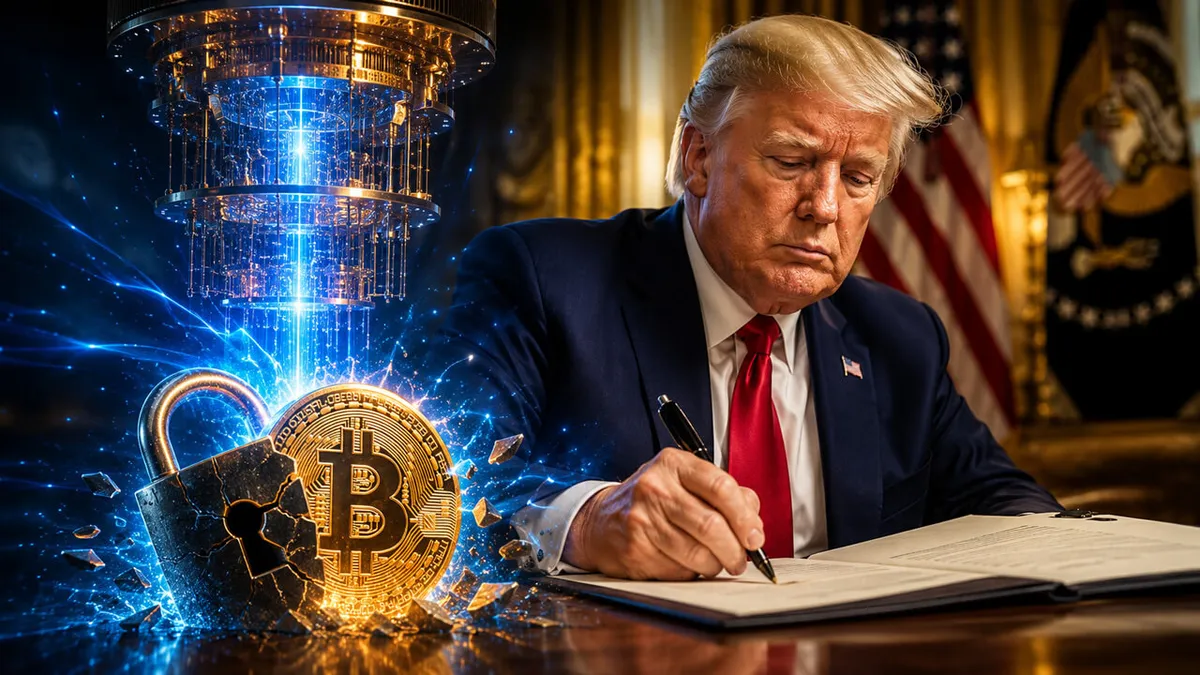
On June 22, former President Donald Trump made headlines by signing two executive orders aimed at revolutionizing the federal government's approach to quantum computing. These orders set a timeline for transitioning sensitive civilian computer systems to post-quantum security measures by 2031, while also catalyzing a national initiative to expedite the development of advanced quantum computers. A significant aspect of this initiative involves mandating that high-value federal assets and high-impact systems implement post-quantum cryptography, which is designed to safeguard against the potential vulnerabilities posed by quantum computing to traditional encryption methods. This move has reignited discussions around the implications for cryptocurrencies, particularly Bitcoin, which many believe could be vulnerable to quantum attacks.
The background of this development is rooted in the growing recognition of quantum computing's potential to disrupt various sectors, including finance and cybersecurity. As quantum computers become more powerful, they could theoretically undermine current encryption standards that protect cryptocurrencies and other digital assets. A report from the National Institute of Standards and Technology (NIST) highlighted the urgency of developing quantum-resistant cryptographic algorithms. With over $449 billion in Bitcoin currently considered "exposed" to potential quantum threats, the urgency of addressing these vulnerabilities has never been more pronounced, especially in light of the recent executive orders.
This initiative matters significantly for the market, as it highlights a critical intersection between emerging technologies and financial security. The potential for quantum computing to break traditional cryptographic techniques raises concerns among investors and stakeholders in the cryptocurrency space. If Bitcoin and other cryptocurrencies are not adequately safeguarded against quantum attacks, it could lead to a loss of confidence and value in these digital assets. The push for post-quantum cryptography could serve as a catalyst for innovation, prompting developers to create more secure blockchain solutions and potentially impacting market dynamics in the long term.
Industry reactions to Trump's executive orders have been varied, with some experts applauding the move as a necessary step toward ensuring the security of digital assets in a rapidly evolving technological landscape. Others express concerns about the timeline and feasibility of implementing these changes, particularly in the context of the existing infrastructure and regulatory environment. Prominent voices in the crypto community emphasize the need for collaboration between government entities and the private sector to effectively develop and deploy quantum-resistant solutions. The discourse surrounding this topic reflects a growing awareness of the critical importance of cybersecurity in the blockchain and cryptocurrency sectors.
Looking ahead, the future of Bitcoin and other cryptocurrencies will likely depend on the developments stemming from these executive orders. As the deadline for adopting post-quantum cryptography approaches, we can expect an increase in research and investment in quantum-resistant technologies. Additionally, ongoing discussions within the crypto community, as well as potential regulatory frameworks, will shape how these technologies are integrated into the existing financial ecosystem. The outcomes of this national effort could ultimately redefine the security landscape for cryptocurrencies, ensuring that they can withstand the challenges posed by quantum computing while continuing to thrive in an ever-evolving market.

CoinMagnetic Team
Crypto investors since 2017. We trade with our own money and test every exchange ourselves.
Updated: June 2026
From our insights:
Related news

Crypto sector emerges as top donor with $206 million in midterms backing

Stand With Crypto’s 4 million registered advocates couldn’t get the CLARITY Act through the Senate

Kakao Pay, KakaoBank to explore stablecoin opportunities with Fireblocks

US Attorney's investigation into Binance focuses on Iran sanctions compliance

ECB initiates wholesale digital euro for banks and tokenized bond purchases