Treasury Secretary Bessent views digital assets as a tool to protect the dollar
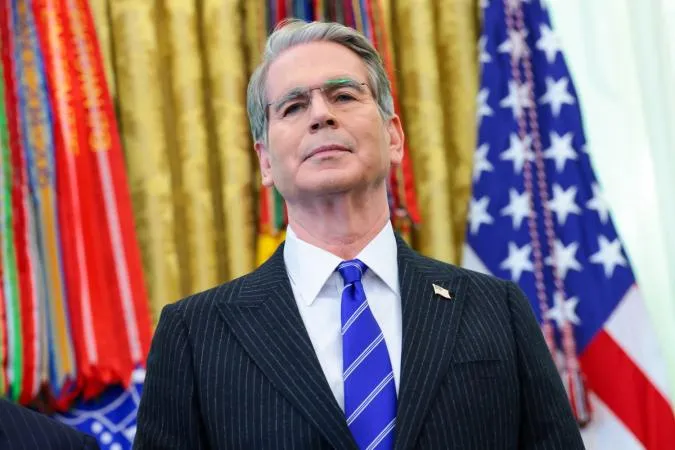
At Ripple's recent conference, U.S. Treasury Secretary Scott Bessent outlined a strategic vision for digital assets, positioning the industry as a vital mechanism to reinforce the global dominance of the U.S. dollar. Bessent addressed key regulatory concerns, suggesting that coordinated actions by the Securities and Exchange Commission and the Commodity Futures Trading Commission could effectively fill the legislative void left by the stalled Clarity Act. His remarks directly tackled the ongoing issue of crypto debanking, signaling a potential shift toward a more accommodating federal stance for financial technology firms operating within the United States.
This high-profile endorsement comes at a critical juncture for digital finance regulation in Washington. The Clarity Act, previously seen as the primary vehicle for establishing comprehensive market structure rules for cryptocurrencies, has faced significant legislative hurdles and failed to advance. In the absence of a dedicated congressional statute, regulatory agencies have stepped into the spotlight, leading to a complex and often fragmented compliance landscape. Bessent's acknowledgment of these regulatory gaps highlights the administration's growing awareness of the need for regulatory clarity to foster domestic innovation while maintaining traditional financial safeguards.
For the broader cryptocurrency market, the Treasury Secretary's comments carry substantial weight regarding institutional adoption and banking access. Debanking has long remained a primary operational hurdle for blockchain startups and digital asset service providers, restricting their ability to maintain standard corporate accounts with traditional banking institutions. By highlighting the curbing of debanking as a policy priority, the Treasury is signaling to traditional financial institutions that digital asset businesses deserve fair access to the banking system, which could dramatically reduce systemic friction and encourage greater capital inflows.
Industry participants and policy experts have responded with cautious optimism to Bessent's statements at the Ripple conference. Many market observers have pointed out that aligning digital asset policy with the preservation of the U.S. dollar hegemony represents a pragmatic evolution in government thinking. Rather than viewing decentralized technologies as a direct threat to fiat currency, the Treasury appears increasingly open to leveraging stablecoins and digital dollar infrastructure to extend the reach and utility of the greenback in cross-border commerce.
Looking ahead, market participants will monitor whether federal regulators translate these broad policy goals into concrete operational guidelines and reduced enforcement hostility. As the SEC and CFTC navigate their respective oversight mandates without immediate legislative backup from a passed Clarity Act, the industry awaits tangible proof that banking access will improve. The coming months will test whether executive-level support can effectively reshape the day-to-day regulatory and banking realities for digital asset enterprises across the country.

CoinMagnetic Team
Crypto investors since 2017. We trade with our own money and test every exchange ourselves.
Updated: October 2026
From our insights:
Related news

Quantum computing uncertainty holds back institutional bitcoin adoption, Stacks creator warns

Anchorage Digital secures custody for both sides of the US-Mexico stablecoin corridor
CFTC steps in to halt Utah litigation over prediction market event contracts

Akamai joins major tech firms in offering cybersecurity tools for autonomous AI
CFTC targets Utah in legal bid to defend Kalshi prediction market oversight