CFTC targets Utah in legal bid to defend Kalshi prediction market oversight
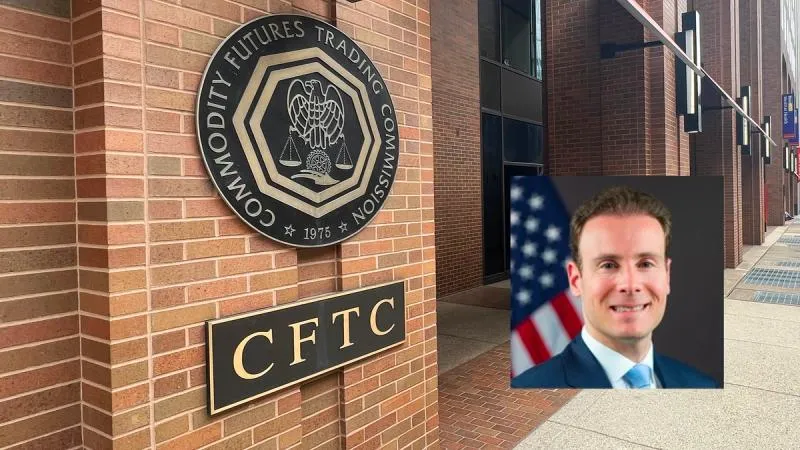
The United States Commodity Futures Trading Commission has filed a lawsuit against Utah in an aggressive move to shield prediction market platform Kalshi from state-level interference. This latest legal action highlights the federal regulator's ongoing campaign to assert exclusive jurisdiction over event-based contracts. By stepping into the legal arena, the agency aims to prevent individual states from enforcing restrictions that could disrupt the operation of federally regulated financial products within their borders.
This confrontation is part of a broader regulatory battleground where federal oversight frequently collides with state authorities. The Commodity Futures Trading Commission has previously pursued more than a dozen legal actions to protect what its chief considers the agency's sole power over prediction markets. As these platforms grow in popularity, allowing users to wager on everything from macroeconomic data releases to political outcomes, the question of who holds ultimate regulatory authority has become increasingly contentious.
For the broader cryptocurrency and financial technology markets, this jurisdictional tug-of-war carries significant weight. Prediction markets are intersecting more frequently with decentralized finance and digital asset infrastructure, making regulatory clarity crucial for institutional and retail participants alike. If federal regulators successfully consolidate their authority, it could provide a more uniform framework for platforms offering event-contract trading across the United States, reducing compliance friction.
Industry observers and legal experts are closely monitoring the case to gauge how federal courts will balance state regulatory interests against the statutory mandate of the Commodity Futures Trading Commission. Many participants in the financial sector argue that a patchwork of state-level bans or restrictions would stifle innovation in prediction markets, while state regulators maintain they have a duty to protect local consumers from potentially unregulated gambling activities.
As the lawsuit progresses through the courts, all eyes will be on how the judiciary defines the boundaries of federal supremacy in the evolving landscape of prediction markets. The outcome could set a definitive precedent for whether national derivatives regulators hold absolute sway over event contracts, ultimately shaping the trajectory of these platforms for years to come.

CoinMagnetic Team
Crypto investors since 2017. We trade with our own money and test every exchange ourselves.
Updated: October 2026
From our insights:
Related news
CFTC steps in to halt Utah litigation over prediction market event contracts

Akamai joins major tech firms in offering cybersecurity tools for autonomous AI

Kalshi and Polymarket pitch non-election contracts at NEXTPredict

Robinhood earnings call may address challenges in tokenized stock sector

Ripple bank victory leaves XRP flat as bitcoin shows early signs of weakness