CFTC steps in to halt Utah litigation over prediction market event contracts
We are closely following a new legal battle involving federal and state regulators as the Commodity Futures Trading Commission has officially sued the state of Utah. This move is designed to block ongoing state-level actions targeting prediction markets. The conflict escalated after Utah filed a lawsuit last week against Kalshi, seeking to recover up to $60 million in profits generated from event contracts on prediction markets.
This clash sits at the intersection of federal oversight and state authority within the evolving financial landscape. Prediction markets have grown significantly in popularity, drawing increased attention from both traders and regulatory bodies. While the CFTC asserts federal jurisdiction over these derivative-style financial instruments, state regulators are increasingly looking to enforce local consumer protection and gambling laws against platforms offering these contracts to residents.
For the broader crypto and trading market, this jurisdictional tug-of-war carries immense weight. Prediction markets rely heavily on legal clarity to operate smoothly and attract institutional as well as retail liquidity. If individual states are permitted to pursue platforms for millions in allegedly ill-gotten profits, the resulting regulatory fragmentation could create a hostile environment for federally regulated derivatives exchanges.
Industry observers and legal experts are already weighing in on the implications of the CFTC intervention. Many point out that a federal preemption argument could set a major precedent for how prediction markets and related crypto derivatives are governed across the United States. Observers note that the outcome of this lawsuit will likely determine whether federal oversight completely supersedes state-level enforcement in the sector.
As the litigation moves forward, we will continue to monitor how the courts address this jurisdictional conflict between Utah and the federal regulator. The final decision could permanently alter the operational framework for prediction markets and dictate how platforms handle state-level regulatory pressure moving ahead.

CoinMagnetic Team
Crypto investors since 2017. We trade with our own money and test every exchange ourselves.
Updated: October 2026
From our insights:
Related news

Akamai joins major tech firms in offering cybersecurity tools for autonomous AI
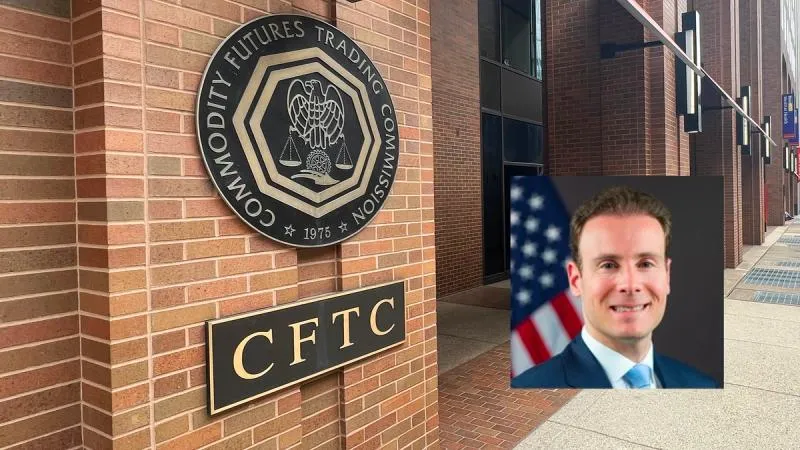
CFTC targets Utah in legal bid to defend Kalshi prediction market oversight

Kalshi and Polymarket pitch non-election contracts at NEXTPredict

Robinhood earnings call may address challenges in tokenized stock sector

Ripple bank victory leaves XRP flat as bitcoin shows early signs of weakness