US exchanges must audit foreign stablecoins or risk delisting
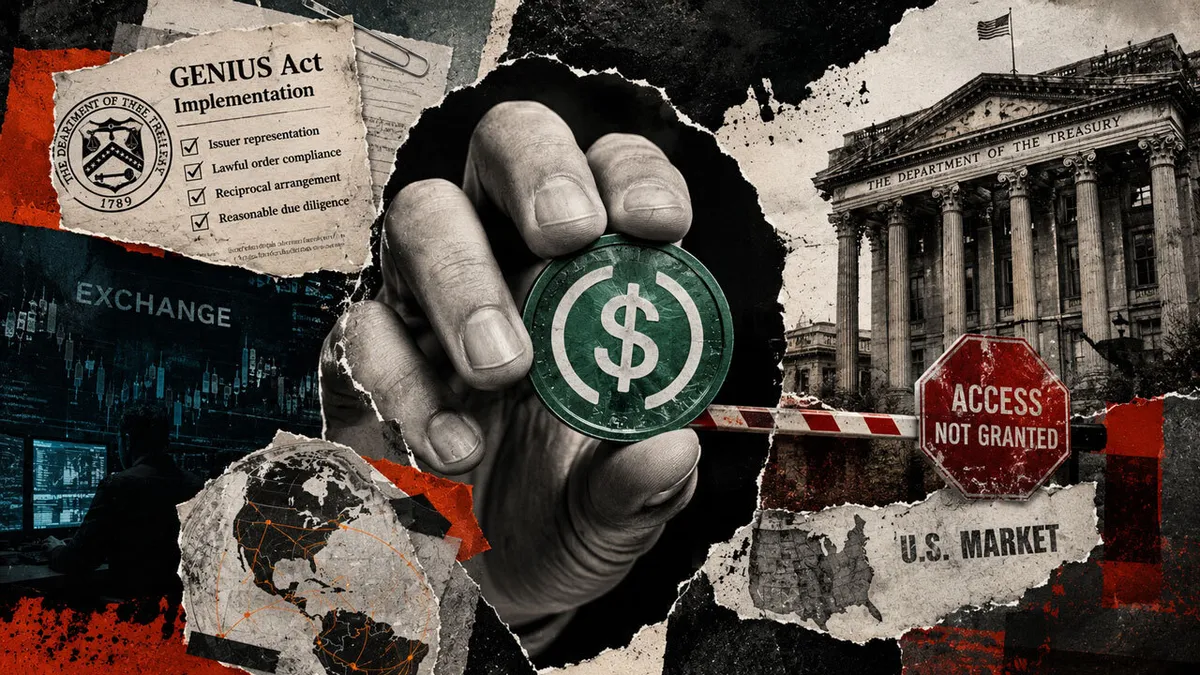
The U.S. Treasury has proposed a significant change that requires U.S. cryptocurrency exchanges to conduct thorough audits of foreign stablecoin issuers. This proposed standard, termed GENIUS, mandates that platforms can only rely on foreign stablecoin issuers after they have conducted what the Treasury considers reasonable due diligence. The comment period for this proposal is currently open and will remain so until October 19, allowing industry stakeholders to voice their opinions on the matter.
This move comes in the wake of increasing regulatory scrutiny surrounding cryptocurrencies and stablecoins, particularly in relation to their backing and stability. Stablecoins, which are designed to maintain a stable value by pegging them to a reserve asset, have faced significant questions regarding their transparency and the sufficiency of their reserves. The Treasury's proposal aims to enhance trust and ensure that exchanges are not inadvertently exposing their users to risks associated with unverified foreign assets.
The implications of this proposal for the market could be considerable. If exchanges fail to comply with the new auditing requirements, they face the possibility of being delisted, which would not only affect their operations but could also lead to a loss of consumer confidence in the broader cryptocurrency ecosystem. The move could also create a more fragmented market, as U.S. exchanges may be forced to reconsider which foreign stablecoins to support, potentially limiting options for consumers.
Industry reaction to the proposed GENIUS standard has been mixed. Some experts believe that increased scrutiny of foreign stablecoin issuers is necessary to protect consumers and enhance market stability. Others, however, express concern that the requirements could be overly burdensome, particularly for smaller exchanges that may not have the resources to conduct comprehensive audits. The ongoing commentary period will likely reveal more about the industry’s stance as stakeholders weigh in on the potential impact of these regulations.
Looking ahead, the Treasury's proposal could set the stage for further regulatory developments in the cryptocurrency space. If enacted, it may lead to similar measures in other jurisdictions, as regulators worldwide grapple with how to manage the growing influence of stablecoins and maintain market integrity. As the comment period progresses, exchanges and industry participants will be closely monitoring the situation to adapt their strategies accordingly.

CoinMagnetic Team
Crypto investors since 2017. We trade with our own money and test every exchange ourselves.
Updated: August 2026
From our insights:
Related news

Hypercall sees $640 million in volume driven mostly by S&P 500 options

Coinbase urges bitcoin to prepare for quantum threats despite holdings of 5 percent

Coinbase outlines key priorities for Bitcoin to prepare for post-quantum migration

MNX introduces pre-IPO futures for private AI firms, challenging OKX and BitGet

Binance VIP head says hedge funds are actively exploring arbitrage opportunities on crypto venues