Hypercall sees $640 million in volume driven mostly by S&P 500 options

At CoinMagnetic, we have been closely following how decentralized finance continues to push into traditional asset classes, and a recent milestone on the Hyperliquid ecosystem highlights this trend. Hypercall, a specialized exchange built on the Hyperliquid platform, announced that the vast majority of its $640 million in trading volume since June has been driven specifically by S&P 500 options. This heavy concentration of activity points to a growing appetite among crypto native traders for exposure to traditional equity benchmarks without leaving decentralized rails.
To understand the significance of this development, we need to look at how derivatives markets have evolved over the past year. Hyperliquid itself has carved out a substantial niche by offering high performance order book infrastructure, attracting users looking for alternatives to centralized derivatives venues. Building specialized applications on top of these foundational layers allows for innovative financial products that bridge legacy finance and decentralized architecture, creating new avenues for perpetual and options trading.
For the broader digital asset market, this milestone matters because it demonstrates a genuine demand for cross market integration. When decentralized platforms successfully capture significant volume in traditional assets like the S&P 500, it signals that traders increasingly view crypto infrastructure as a viable settlement and execution layer for global finance. This blurring of lines between traditional markets and decentralized protocols could fundamentally reshape how liquidity flows across different asset classes in the coming years.
Industry observers and market participants have taken note of how quickly these synthetic and options products are gaining traction. While derivatives trading on decentralized networks has historically centered around major tokens like Bitcoin and Ethereum, the pivot toward macroeconomic indicators and equities shows that users want diverse hedging tools in a single ecosystem. Analysts suggest that providing around the clock access to traditional market gauges gives traders a distinct advantage compared to standard banking hours.
Looking ahead, we expect to see more developers experimenting with real world asset integrations and equity derivatives on high throughput chains. As infrastructure matures and regulatory clarity improves, platforms that successfully merge traditional financial instruments with decentralized execution will likely attract even greater attention. Whether Hypercall and similar protocols can maintain this momentum will depend on sustained market demand and the continued reliability of underlying networks like Hyperliquid.

CoinMagnetic Team
Crypto investors since 2017. We trade with our own money and test every exchange ourselves.
Updated: October 2026
From our insights:
Related news
Coinbase urges bitcoin to prepare for quantum threats despite holdings of 5 percent
Coinbase outlines key priorities for Bitcoin to prepare for post-quantum migration

MNX introduces pre-IPO futures for private AI firms, challenging OKX and BitGet
Binance VIP head says hedge funds are actively exploring arbitrage opportunities on crypto venues
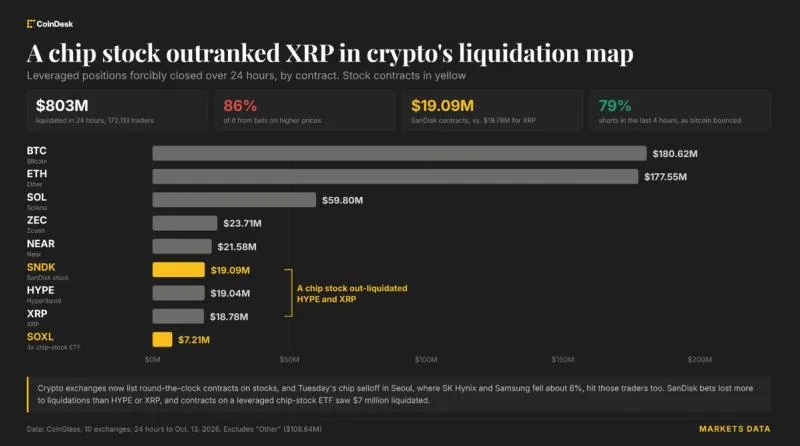
Tokenized SanDisk bets saw more liquidations than XRP as Asia’s chip rout wipes out $800 million