Coinbase outlines key priorities for Bitcoin to prepare for post-quantum migration
As the cryptocurrency industry continues to look toward future technological hurdles, Coinbase has published a detailed set of priorities focused on the long-term security of Bitcoin. The exchange is urging the broader developer and user community to begin early preparation for signature upgrades and the eventual migration of funds. This proactive stance highlights the growing awareness around potential cryptographic vulnerabilities that quantum computing could pose to legacy blockchain architectures in the coming decades.
While quantum computers powerful enough to break current cryptographic standards are not yet a reality, researchers and industry leaders agree that planning must start well in advance. Bitcoin currently relies on ECDSA (Elliptic Curve Digital Signature Algorithm) for securing transactions and wallet ownership. A sufficiently advanced quantum machine running algorithms like Shor's algorithm could theoretically reverse-engineer private keys from public keys, making a transition to quantum-resistant signature schemes an absolute necessity for network survival.
For the wider digital asset market, this discussion marks a shift from theoretical computer science debates to concrete infrastructure planning. As major industry players like Coinbase begin setting markers for post-quantum readiness, market participants are reminded of the continuous engineering required to keep decentralized networks secure. Addressing these deep architectural challenges early helps mitigate the risk of rushed upgrades or potential network splits when quantum threats become more imminent.
Industry reactions to the guidelines have generally emphasized the scale of coordination required to upgrade a decentralized network like Bitcoin. Unlike centralized software updates, implementing a hard fork or adopting new cryptographic primitives across Bitcoin requires broad consensus among miners, developers, and node operators. Experts note that initiating these conversations now is crucial to ensure smooth transitions without disrupting user trust or economic stability.
Looking ahead, the focus will likely turn toward formalizing improvement proposals and testing quantum-resistant signature schemes within developer sandboxes. While a full migration remains a long-term milestone, establishing clear priorities today lays the groundwork for how the ecosystem will handle cryptographic evolution. We will continue to monitor how core developers and major exchanges collaborate to safeguard the network for future generations.

CoinMagnetic Team
Crypto investors since 2017. We trade with our own money and test every exchange ourselves.
Updated: October 2026
From our insights:
Related news

MNX introduces pre-IPO futures for private AI firms, challenging OKX and BitGet

Binance VIP head says hedge funds are actively exploring arbitrage opportunities on crypto venues
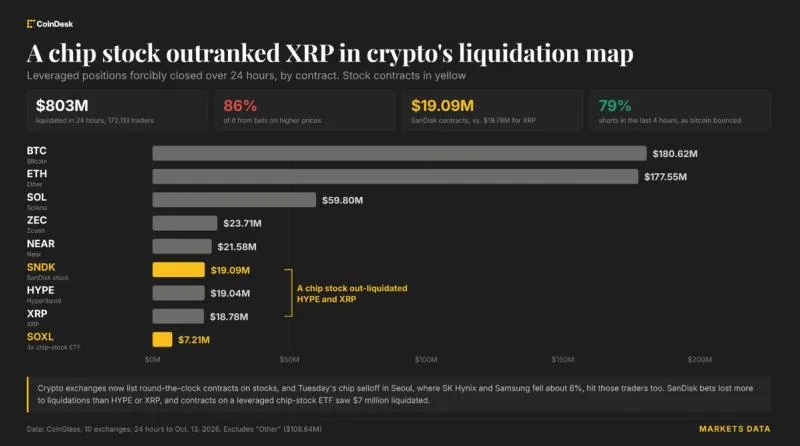
Tokenized SanDisk bets saw more liquidations than XRP as Asia’s chip rout wipes out $800 million

South Korea targets KuCoin and MEXC among 27 unregistered crypto platforms
Binance AI trading interface goes live globally after testing phase