IMF report values tokenized stocks at $2.3 billion with high volatility
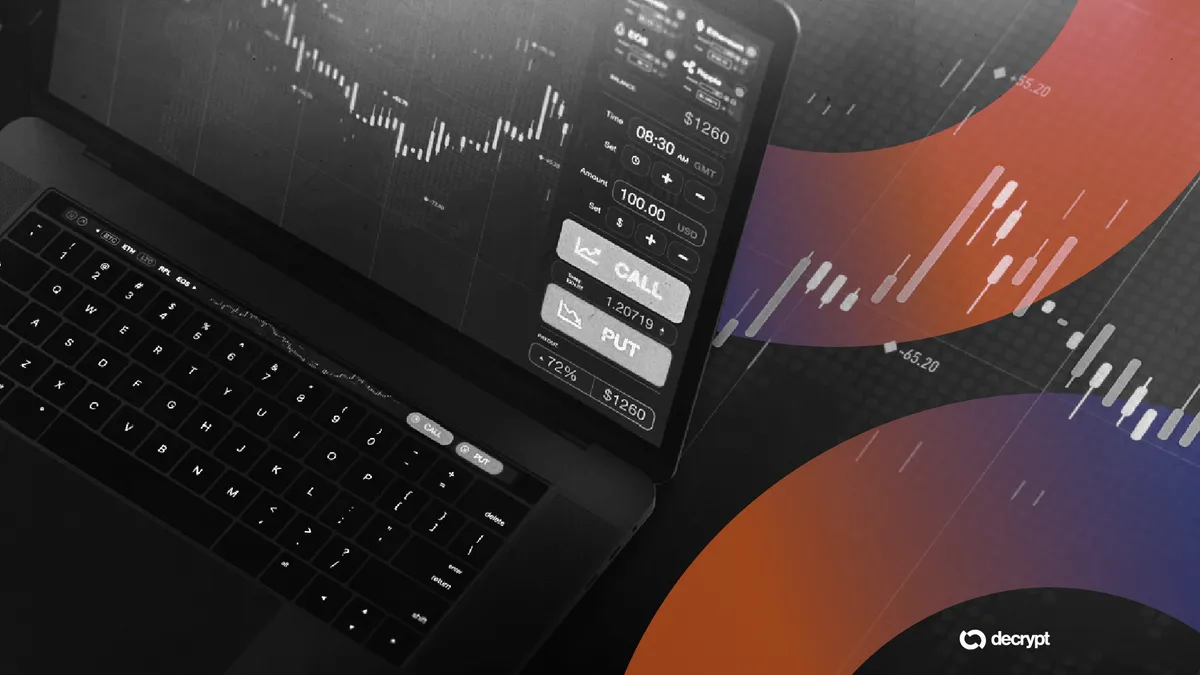
A recent analysis by the International Monetary Fund has shed light on the burgeoning sector of tokenized stocks, revealing that the market has reached approximately $2.3 billion in value. According to the findings, more than half of all trading activity for these blockchain-based assets occurs outside traditional United States market hours, pointing to global demand and round-the-clock engagement from international participants who seek alternative avenues for equity exposure.
Tokenization represents the process of issuing traditional financial assets, such as shares of company stock, onto a distributed ledger or blockchain network. This mechanism aims to bridge the gap between traditional finance and decentralized systems, allowing for fractional ownership, programmable compliance, and instantaneous settlement. While the concept has steadily gained traction among financial institutions and crypto-native platforms alike, the underlying infrastructure is still maturing as regulators and developers navigate the complexities of cross-border securities trading.
For the broader digital asset market, this development highlights both the potential and the current limitations of bringing traditional financial instruments on-chain. The IMF findings demonstrate that there is genuine, organic demand for tokenized equities beyond standard trading windows. However, the report also emphasizes that these digital representations do not yet mirror the deep liquidity and price stability found in legacy financial markets, which could influence how institutional investors approach the asset class in the near term.
Market participants and fintech observers have noted that the higher volatility and lower liquidity documented by the IMF are typical growing pains for nascent financial products. Analysts suggest that while round-the-clock trading is a compelling feature for retail and international investors, market makers and liquidity providers will need to scale their operations significantly before institutional capital enters the space in larger volumes.
As the intersection of traditional finance and blockchain technology continues to evolve, regulators and market participants will likely focus on addressing the infrastructure gaps highlighted in the IMF report. Improving liquidity mechanisms and aligning cross-border regulatory standards will be critical steps for the sector as it attempts to transition from an experimental niche into a robust pillar of modern finance.

CoinMagnetic Team
Crypto investors since 2017. We trade with our own money and test every exchange ourselves.
Updated: October 2026
From our insights:
Related news

XRP Ledger fixes overflow bug that risked minting 18 trillion XRP
Strategy prepares new bitcoin acquisition as September concludes with STRC buybacks
October opens with $386.3 million in net outflows from bitcoin exchange traded funds

Trump announces Russia-Ukraine energy ceasefire as Zelensky responds
Zcash aims to integrate hash-based signatures and address rotation