The SEC delayed tokenizing stocks, and here’s why that’s a relief
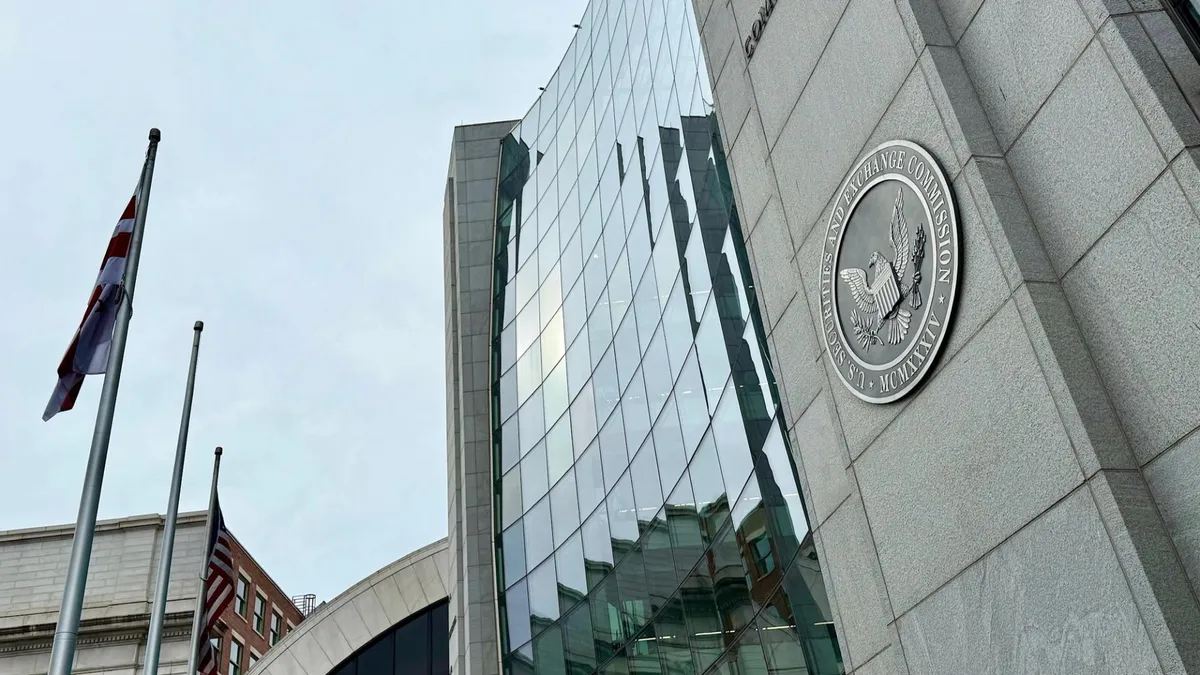
Recently, the U.S. Securities and Exchange Commission (SEC) announced a delay in approving the tokenization of stocks, a move that has sparked considerable discussion across the financial and crypto sectors. This decision comes amid growing concerns regarding the regulatory framework necessary to ensure that any such tokenization is compliant with existing laws and provides adequate investor protections. As the push for digitizing traditional financial assets gains momentum, the SEC's cautious stance underscores the complexities involved in blending conventional equity markets with innovative blockchain technologies.
The idea of tokenizing stocks has been touted as a revolutionary step toward democratizing access to equity markets, allowing for fractional ownership and increased liquidity. However, the SEC's delay highlights significant challenges in crafting a compliance system that is not merely about ticking boxes but rather understanding the broader context of these innovations. Investors and experts alike are urging a more nuanced approach to tokenization, one that takes into account regulatory compliance, market integrity, and the protection of investors. Notably, figures like investor Michael Burry have voiced concerns about the potential risks associated with hastily implemented tokenization processes.
This delay matters for the market because it reflects a broader hesitation from regulators to embrace innovation without adequate safeguards in place. The SEC's decision signals to market participants that while the potential for tokenized equities is promising, it must be approached with caution. This could slow down the momentum of projects aiming to tokenize traditional assets, potentially affecting market dynamics and the development of new financial products. Additionally, the regulatory uncertainty may lead to a lack of confidence among investors, impacting their willingness to engage with tokenized assets.
Industry reactions to the SEC's announcement have been mixed. While some view the delay as a necessary step to ensure thorough regulatory frameworks, others express frustration over what they perceive as stagnation in financial innovation. Experts are calling for a collaborative approach between regulators and industry leaders to create a robust framework that supports innovation while protecting investors. The consensus appears to be that rushing into tokenization without proper groundwork could lead to significant pitfalls, and many industry insiders are advocating for a more measured pace in moving forward.
Looking ahead, the future of tokenizing stocks will likely depend on how regulators and industry players navigate this complex landscape. It is essential for stakeholders to engage in meaningful dialogue to address regulatory concerns while fostering innovation. As the SEC continues to deliberate on the appropriate framework for tokenization, market participants will be watching closely, eager to see how these discussions unfold and what implications they may have for the future of finance. The balance between innovation and regulation will be critical in determining the trajectory of tokenized equities in the coming years.

CoinMagnetic Team
Crypto investors since 2017. We trade with our own money and test every exchange ourselves.
Updated: June 2026
From our insights:
Related news
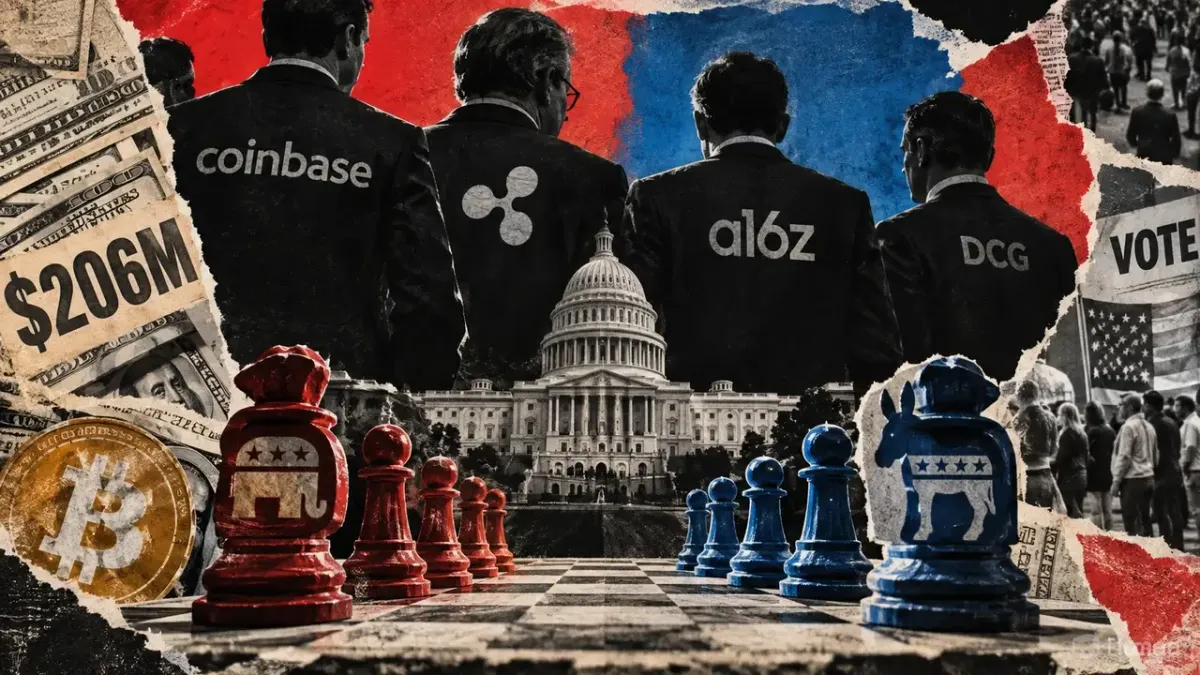
Crypto sector emerges as top donor with $206 million in midterms backing
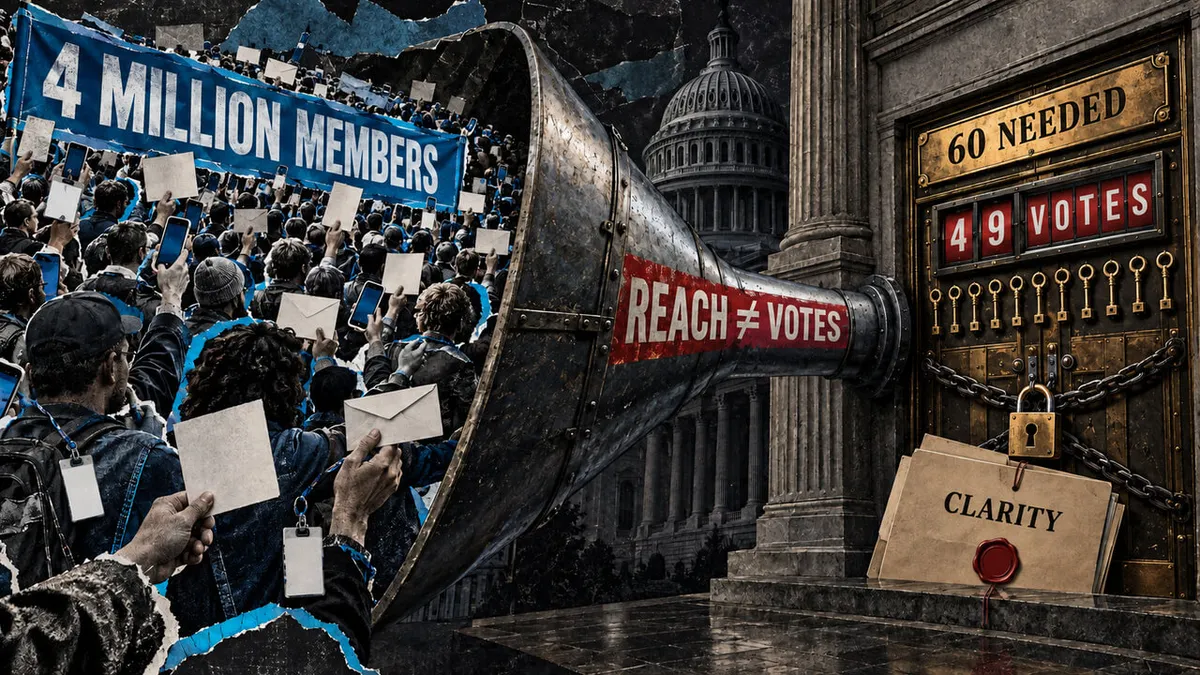
Stand With Crypto’s 4 million registered advocates couldn’t get the CLARITY Act through the Senate

Kakao Pay, KakaoBank to explore stablecoin opportunities with Fireblocks

US Attorney's investigation into Binance focuses on Iran sanctions compliance

ECB initiates wholesale digital euro for banks and tokenized bond purchases