'The Odyssey' Director Chris Nolan: Young Audiences are Rejecting 'AI Slop'
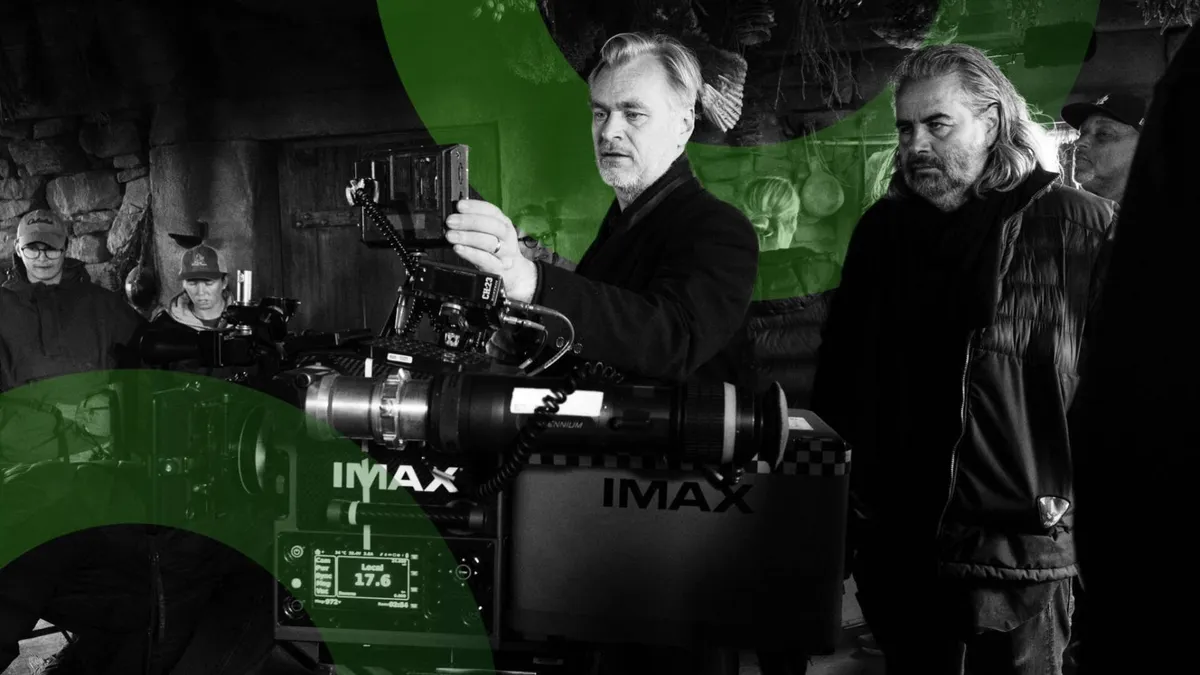
In a recent interview, acclaimed director Christopher Nolan shared his thoughts on the growing influence of artificial intelligence in the film industry, particularly highlighting a trend among younger audiences who are increasingly critical of AI-generated content. Nolan, known for his meticulous storytelling and innovative filmmaking, referred to AI-generated material as “slop,” suggesting that it lacks the depth and creativity that younger viewers crave. He pointed out that this demographic's rejection of AI-produced content reflects a broader desire for authenticity and genuine artistic expression in an era where technology is rapidly reshaping creative processes.
Nolan's comments come at a time when AI tools are becoming more prevalent in various aspects of filmmaking, from scriptwriting to visual effects. As studios look to leverage technology for efficiency and cost-effectiveness, there has been an ongoing debate about the implications for creativity and originality. The entertainment landscape has witnessed a surge in AI-generated works, raising questions about the role of human creators and the potential dilution of storytelling quality. Nolan's perspective sheds light on a cultural shift where the value of human artistry is being reassessed in the face of technological advancements.
This sentiment resonates deeply within the market, as the film industry grapples with balancing innovation and traditional storytelling. The growing skepticism toward AI-generated content may impact how studios approach production in the future. If younger audiences continue to reject what they perceive as inauthentic creations, filmmakers may find themselves under pressure to prioritize human creativity over the allure of AI efficiency. This dynamic could lead to a resurgence of interest in unique narratives and innovative storytelling techniques that emphasize human perspectives and experiences.
Reactions from industry experts have largely echoed Nolan's concerns. Many filmmakers and critics have voiced apprehension about the reliance on AI in creative processes, arguing that it could lead to homogenized content that lacks the emotional depth and nuance found in human-created narratives. Some industry insiders have called for a more thoughtful integration of AI tools, viewing them as complementary rather than replacements for human talent. This ongoing discourse highlights a critical juncture in the industry, where the quest for innovation must be balanced with a commitment to preserving the core values of artistry.
Looking ahead, it will be essential to monitor how this conversation evolves as technology continues to advance. Filmmakers may experiment with AI in ways that enhance rather than replace their creative visions, striving for a synthesis that respects both innovation and the foundational elements of storytelling. As younger audiences continue to voice their preferences, we may see a shift in production strategies that prioritizes authenticity and originality, setting the stage for a new era in filmmaking that honors the artistry of human creators while exploring the possibilities offered by technology.

CoinMagnetic Team
Crypto investors since 2017. We trade with our own money and test every exchange ourselves.
Updated: July 2026
From our insights:
Related news

CFTC authority reaches most sectors outside onions and box office tickets, Pham says
Trader turns Hyperliquid pricing into $1.28 million profit on Papertrade
Prediction market legal battles draw multiple amicus briefs at the Supreme Court

XRP Ledger fixes overflow bug that risked minting 18 trillion XRP
IMF report values tokenized stocks at $2.3 billion with high volatility