Claude's Personality Changes Depending on the Model—And the Language You Speak
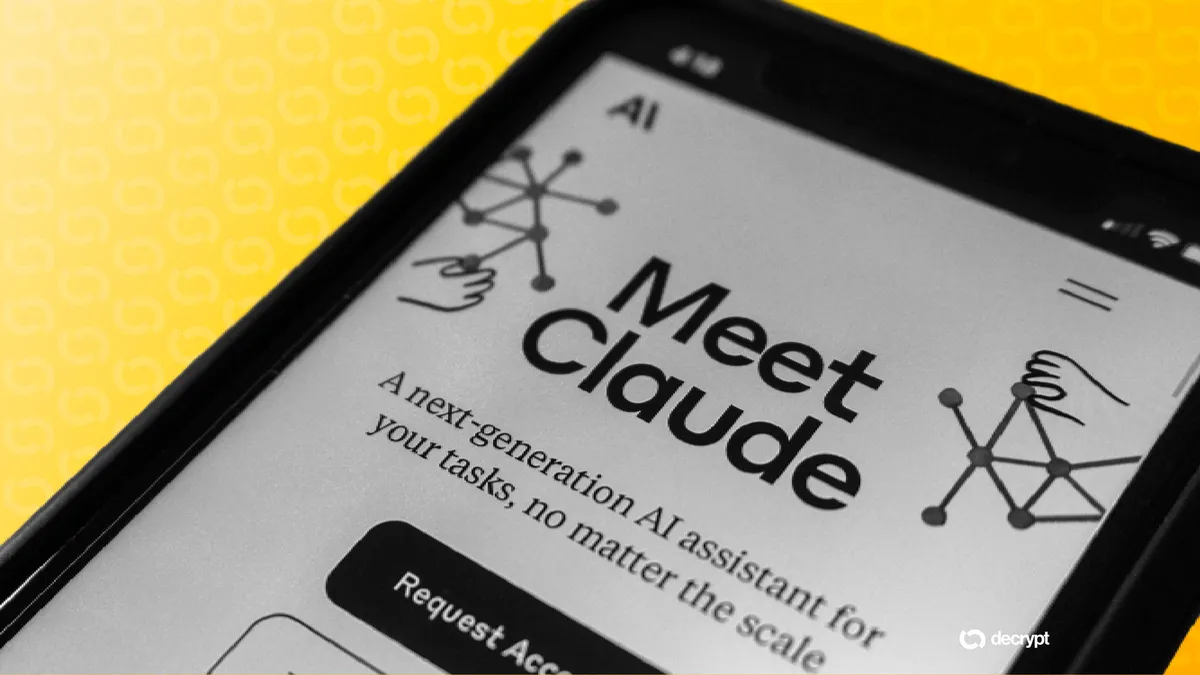
Recent research from Anthropic has revealed intriguing insights into the AI model Claude, demonstrating that its personality can vary significantly depending on both the version of the model used and the language in which it is engaged. This study indicates that Claude's responses and overall demeanor shift based on the specific model employed–whether it be Claude 1, 2, or the latest version–and the language being spoken. The findings highlight the nuanced ways in which AI can adapt its behavior, opening up discussions on the implications of such variations in communication.
To understand this development, it's essential to consider the evolution of AI language models. Over the years, as these models have been trained on vast datasets, their ability to mimic human-like interactions has improved markedly. Claude's different versions have been refined to better understand context, emotion, and the subtleties of human language. The ability to adapt personality traits based on the language and model version not only showcases advanced programming but also reflects broader trends in machine learning, where personalization and user experience are becoming paramount.
The implications of these findings are significant for the market, especially as companies and developers increasingly adopt AI technologies for customer service, content generation, and personal assistants. Understanding that an AI's personality can shift based on the model and language means businesses can tailor interactions more closely to the preferences of their users. This could enhance user satisfaction and engagement, as customers may respond better to an AI that resonates with their linguistic and cultural context. Moreover, it raises questions about how AI models will be utilized in multilingual settings and the potential need for customized versions that can cater to diverse audiences.
Industry experts have responded to the research with a mix of enthusiasm and caution. Some see it as a groundbreaking step toward more human-like AI interactions, emphasizing the importance of understanding user expectations and cultural nuances. Others, however, express concerns about the ethical implications of such adaptability. If an AI can alter its personality based on user interaction, there is potential for manipulation or misalignment with a user's values. This underscores the need for transparent AI development practices that prioritize ethical considerations alongside technical advancements.
Looking ahead, it will be interesting to see how this research influences the future of AI development. As companies strive to create more sophisticated and relatable AI systems, the findings from Anthropic could serve as a catalyst for further exploration into personalized AI experiences. We may witness an increase in demand for AI solutions that not only perform tasks but also resonate on a deeper emotional level with users, paving the way for an era of more intuitive and engaging technology interactions.

CoinMagnetic Team
Crypto investors since 2017. We trade with our own money and test every exchange ourselves.
Updated: July 2026
From our insights:
Related news

TD Cowen sees 2028 election timeline threatening new CFTC crypto rules

REA toolkit crosses 100,000 GitHub stars in a week as AI reverse engineering takes off

Crypto committees pour $2.7 million into House races ahead of midterm elections

October macro pressures drag crypto sentiment down to August pre-rally levels

Oil prices near one-month high as geopolitical tensions push bitcoin down 2.2%