Bolivia mulls recognizing USDT as payment currency amid dollar shortage
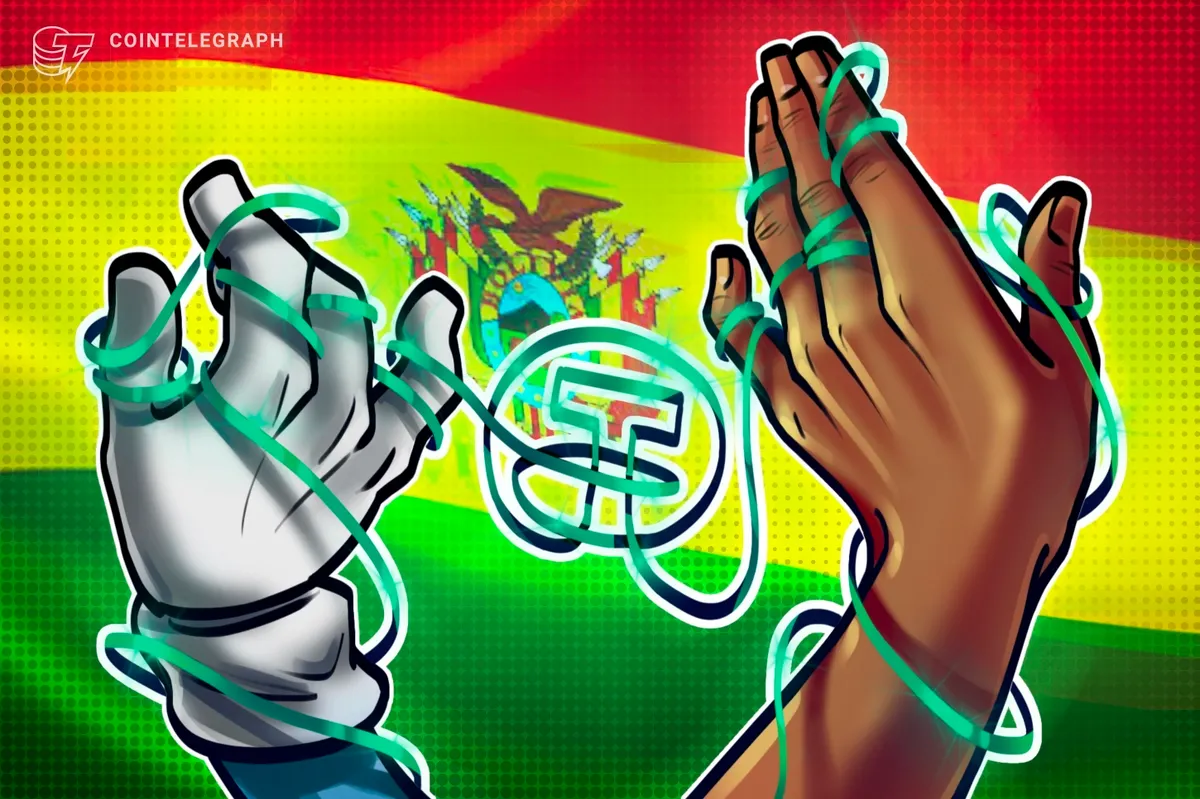
Bolivia is currently contemplating a significant shift in its monetary policy by potentially recognizing Tether (USDT) as an official payment currency. This move comes in response to a persistent shortage of US dollars, which has been putting pressure on the country's foreign currency reserves. The Bolivian government is exploring a regulatory framework that would enable the use of USDT for various purposes, including payments, savings, and trading activities. This initiative could provide an alternative to the US dollar, helping to stabilize the economy amid ongoing financial challenges.
To understand the implications of this potential decision, it is essential to consider Bolivia's economic landscape. The country has faced significant economic difficulties in recent years, exacerbated by inflation and external shocks. The reliance on the US dollar has made the economy vulnerable, particularly during times of global financial instability. By considering an alternative like USDT, Bolivia aims to reduce its dependency on a single foreign currency and explore the possibilities offered by the growing cryptocurrency market. This pivot could signify a broader trend of countries seeking solutions outside traditional fiat currencies.
The recognition of USDT as a payment currency in Bolivia could have far-reaching effects on both the local and international markets. For Bolivian citizens and businesses, it may offer a more stable medium of exchange, especially in times of dollar scarcity. On a larger scale, this move could encourage other countries facing similar currency challenges to consider cryptocurrencies as viable alternatives. The adoption of USDT could also drive more significant interest and investment in the cryptocurrency space within Bolivia, potentially leading to increased participation in the global digital economy.
Industry reactions to the news have been mixed, with some experts highlighting the potential benefits of such a move, while others caution against the risks associated with cryptocurrencies. Proponents argue that allowing USDT could enhance financial inclusion, improve transaction efficiency, and provide a hedge against inflation. Meanwhile, skeptics point to the volatility commonly associated with cryptocurrencies and the regulatory challenges that could arise. The ongoing discussions reflect a growing acknowledgment of the role digital assets could play in reshaping financial systems, but the path forward remains complex.
Looking ahead, it will be interesting to see how Bolivia's government formalizes this potential framework for USDT integration. The coming weeks may reveal more details about the regulatory measures being considered, and how they will address the concerns raised by skeptics. If implemented, this initiative could set a precedent for other nations grappling with similar economic challenges, possibly leading to a broader acceptance of cryptocurrencies in global financial systems. As the situation develops, both local and international observers will be watching closely to gauge the impact of Bolivia's decisions on its economy and the cryptocurrency market as a whole.

CoinMagnetic Team
Crypto investors since 2017. We trade with our own money and test every exchange ourselves.
Updated: July 2026
From our insights:
Related news

CFTC authority reaches most sectors outside onions and box office tickets, Pham says
Trader turns Hyperliquid pricing into $1.28 million profit on Papertrade
Prediction market legal battles draw multiple amicus briefs at the Supreme Court
XRP Ledger fixes overflow bug that risked minting 18 trillion XRP
IMF report values tokenized stocks at $2.3 billion with high volatility