The future of vaults: neobanks and invisible DeFi

In a recent opinion piece from Vincent Maliepaard, the VP of Marketing at Sentora, the spotlight has turned to the evolving landscape of decentralized finance (DeFi) and its integration with traditional banking systems. On January 26, 2026, Kraken made headlines with the launch of DeFi Earn, a feature that allows users to deposit stablecoins and earn up to 8% annual percentage yield (APY) directly through their existing trading interface. This innovation signifies a pivotal moment where DeFi becomes more accessible, eliminating the complexities of seed phrases and gas fees that have historically deterred mainstream adoption.
To understand this shift, we must consider the broader context of both DeFi and neobanks. Traditionally, DeFi platforms have required users to navigate a labyrinth of wallets and blockchain intricacies, which can be intimidating for the average person. Meanwhile, neobanks have been revolutionizing the banking sector by offering user-friendly interfaces and seamless digital experiences. The fusion of these two realms suggests a future where DeFi services are not just an alternative but a standard offering within everyday banking platforms, making high-yield savings more attainable for a larger audience.
This development is significant for the market as it indicates a growing acceptance of DeFi principles within established financial services. By integrating DeFi products like Kraken's DeFi Earn into their platforms, exchanges are likely to attract a new demographic of users who may have previously been hesitant to engage with blockchain technology. This could lead to increased liquidity and trading volumes as more individuals seek to capitalize on competitive interest rates without the steep learning curve associated with traditional DeFi platforms.
Industry experts have responded positively to this trend, noting that it represents a maturation of the DeFi space. Many believe that as more platforms adopt these user-friendly approaches, we will witness a significant shift in public perception regarding digital assets. The convenience offered by such integrations may also help bridge the gap between crypto enthusiasts and traditional investors, fostering a more inclusive financial ecosystem.
Looking forward, we can anticipate that more exchanges and financial institutions will roll out similar offerings, further blurring the lines between traditional banking and DeFi. As this trend continues, it will be crucial for regulators to keep pace with the evolving landscape, ensuring that consumer protections are in place while also fostering innovation. The coming years will be pivotal in determining how deeply embedded DeFi becomes in the fabric of everyday financial transactions.

CoinMagnetic Team
Crypto investors since 2017. We trade with our own money and test every exchange ourselves.
Updated: June 2026
From our insights:
Related news

Crypto sector emerges as top donor with $206 million in midterms backing

Stand With Crypto’s 4 million registered advocates couldn’t get the CLARITY Act through the Senate

Kakao Pay, KakaoBank to explore stablecoin opportunities with Fireblocks

US Attorney's investigation into Binance focuses on Iran sanctions compliance
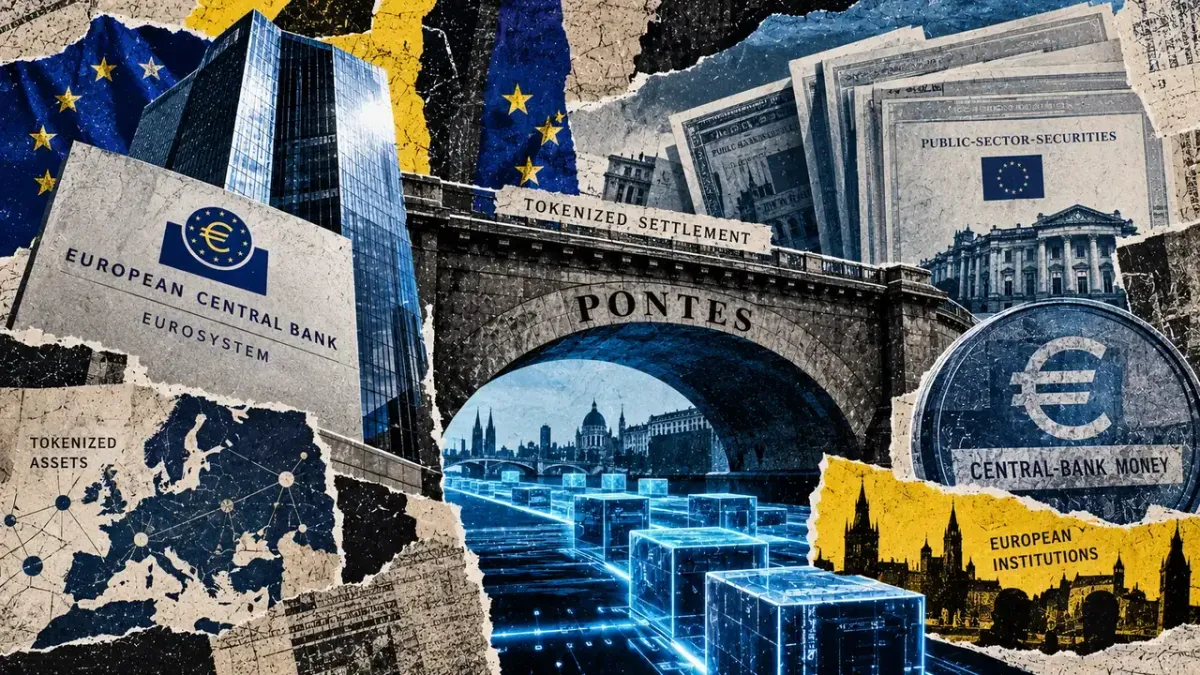
ECB initiates wholesale digital euro for banks and tokenized bond purchases