StarkWare CEO suggests 4% annual Bitcoin inflation to replace 21M cap
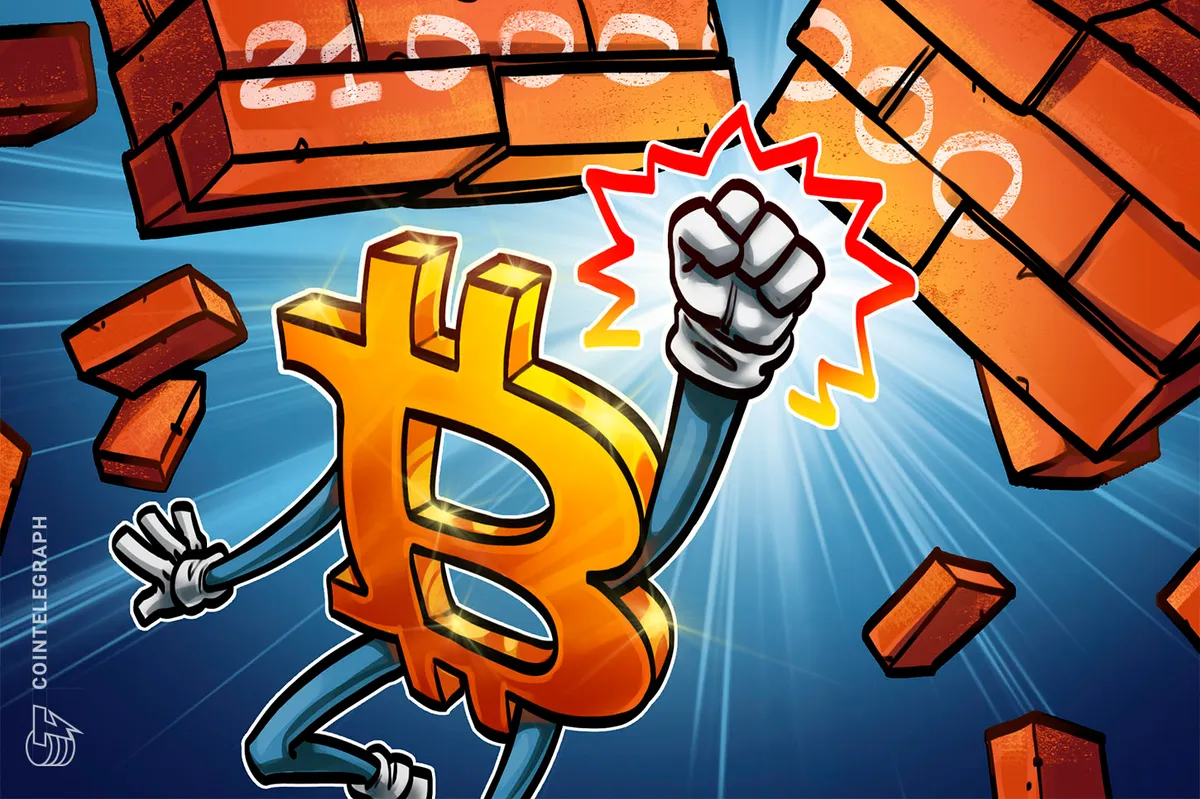
In a recent discussion, Eli Ben-Sasson, the CEO of StarkWare, proposed an intriguing alternative to Bitcoin's fixed supply cap of 21 million coins. He suggested implementing a 4% annual inflation rate for Bitcoin to counteract the effects of lost private keys, which he believes are leading to a gradual decrease in the amount of usable Bitcoin over time. According to Ben-Sasson, as more private keys are lost, it effectively reduces the available supply, potentially impacting the cryptocurrency’s value and utility. This proposal is sure to stir debate among Bitcoin enthusiasts, many of whom hold the fixed supply as a fundamental aspect of the cryptocurrency's appeal.
The context behind this proposal stems from a common concern in the Bitcoin community about the increasing number of lost keys. Estimates suggest that millions of Bitcoins are currently inaccessible due to users losing their private keys, which has led to discussions about the implications for Bitcoin’s long-term viability. The fixed supply cap is often cited as a reason for Bitcoin's value appreciation, as scarcity drives demand. However, as more Bitcoins become effectively unusable, the dynamics of supply and demand could become more complex.
This concept of introducing inflation to Bitcoin is significant for the market, as it challenges the foundational principles that have governed Bitcoin’s appeal since its inception. If the community were to accept such a change, it could lead to a reevaluation of Bitcoin's economic model and potentially alter investor sentiment. The idea of inflationary Bitcoin might attract those who are currently hesitant about investing in a strictly capped asset, thinking it may become increasingly rare and valuable. Conversely, it could also alienate purists who prioritize scarcity as a core value.
Industry reactions to Ben-Sasson’s proposal have been mixed. Some experts argue that the idea is fundamentally flawed and undermines the very principles that make Bitcoin attractive. They emphasize that the loss of keys is a part of the cryptocurrency's evolution and should be accepted as such. Others believe that discussions around modifying Bitcoin's supply mechanics are necessary as the landscape of digital assets evolves. These differing viewpoints highlight the ongoing tension between innovation and tradition within the crypto community.
Looking ahead, it will be interesting to see if this proposal gains traction among Bitcoin developers and the broader community. The implications of such a change could be profound, potentially reshaping not only Bitcoin but also the entire cryptocurrency market. As discussions continue, we anticipate further debate on the balance between maintaining Bitcoin's original vision and adapting to the realities of its use and utility in the modern financial ecosystem.

CoinMagnetic Team
Crypto investors since 2017. We trade with our own money and test every exchange ourselves.
Updated: July 2026
From our insights:
Related news

Ondo Finance introduces private-markets platform with AI tokenized notes

Ondo launches tokenized notes for pre-IPO AI company investment
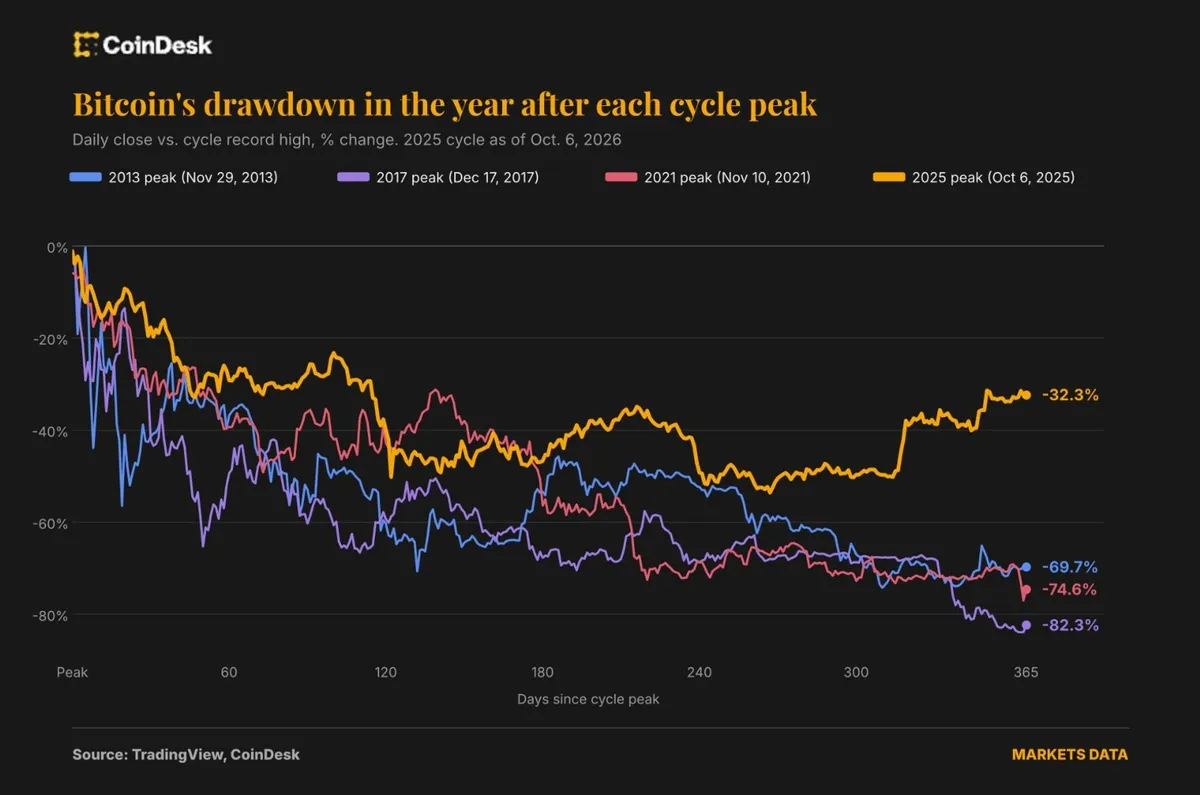
Bitcoin's 32% drop a year post-$126,000 peak shows milder bear market

Bitcoin ETFs experience $90M outflow as BTC trades 32% below ATH

EEZ initiates atomic L1-to-L2 transaction test to unify Ethereum ecosystem