Bitcoin under pressure as U.S.-Iran escalation lifts oil

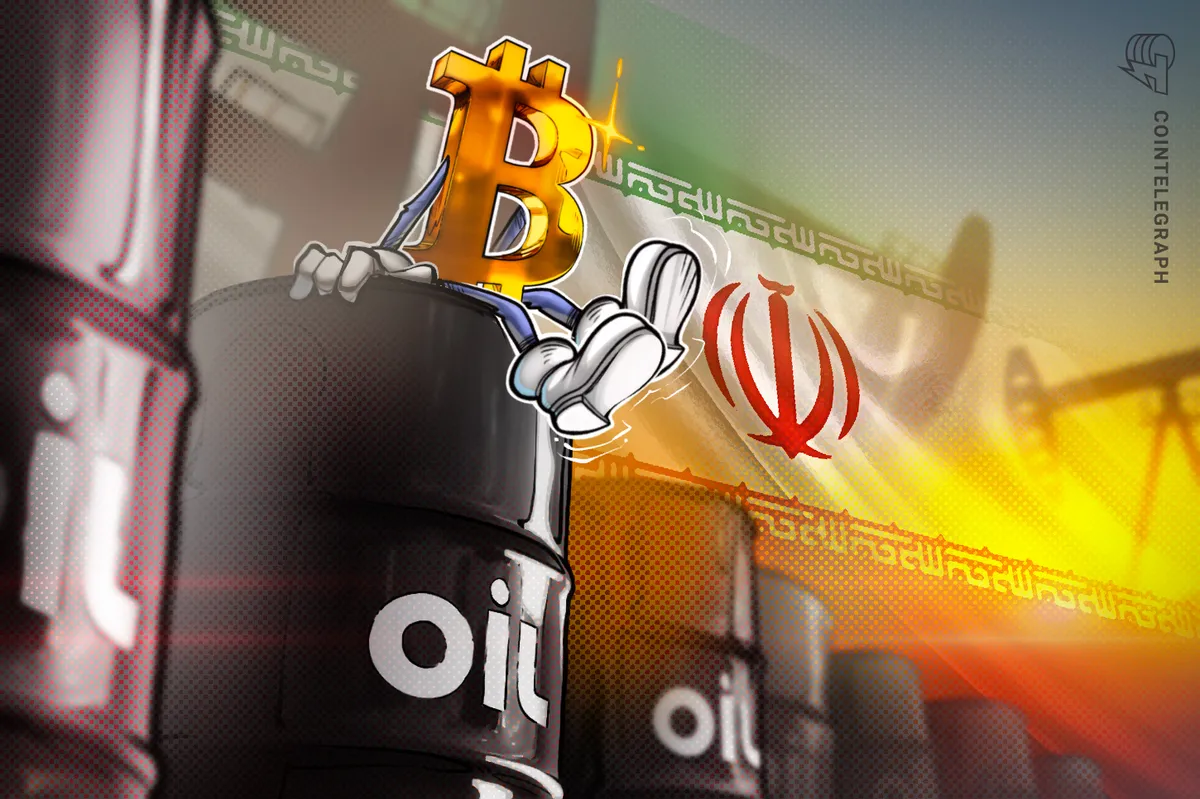
Major cryptocurrencies, particularly Bitcoin, are facing downward pressure as escalating tensions between the U.S. and Iran have led to a significant rise in oil prices. Reports indicate that renewed airstrikes in the region have not only heightened geopolitical concerns but also impacted traditional markets, causing a ripple effect on digital currencies. Bitcoin, often viewed as a hedge against inflation and global instability, has seen its price dip as traders react to the negative sentiment resulting from these geopolitical developments. Other cryptocurrencies are following suit, with many recording losses as the market grapples with uncertainty.
To understand the current scenario, it's essential to consider the historical context of U.S.-Iran relations and their implications for global markets. The relationship has been fraught with tension for decades, often leading to spikes in oil prices whenever conflict arises. This recent escalation is reminiscent of previous incidents where geopolitical strife has influenced not just oil markets but also other asset classes, including cryptocurrencies. As investors react to the potential for increased volatility and supply disruptions, Bitcoin and its counterparts are feeling the effects of this broader economic anxiety.
The implications for the cryptocurrency market are significant. As oil prices rise, concerns about inflation and economic instability can lead to a flight to safety among investors. Traditionally, this has meant a preference for assets like gold or U.S. Treasuries, which could detract from Bitcoin's appeal as a store of value. Furthermore, if the situation escalates further, we could see increased regulatory scrutiny and market reactions that may lead to further fluctuations in crypto prices. Traders are closely monitoring the situation, as any significant developments could trigger a more pronounced market response.
Industry experts are weighing in on the situation, with many highlighting the interconnectedness of global markets. Some analysts suggest that while Bitcoin was designed to serve as a hedge against traditional financial systems, its response to geopolitical events like these reflects a maturing market that is increasingly influenced by external factors. Others caution that while cryptocurrencies may be facing short-term pressures, the long-term outlook remains optimistic, particularly as adoption continues to grow and institutional interest persists.
Looking ahead, the trajectory of Bitcoin and other cryptocurrencies will largely depend on how the geopolitical situation unfolds. Investors will be keen to monitor not only the developments in U.S.-Iran relations but also broader economic indicators that could affect market sentiment. If tensions continue to escalate, we may see further volatility in both traditional and digital asset markets. Alternatively, a de-escalation could provide a much-needed boost for cryptocurrencies, allowing them to regain lost ground and reaffirm their position in the financial landscape.

CoinMagnetic Team
Crypto investors since 2017. We trade with our own money and test every exchange ourselves.
Updated: July 2026
From our insights:
Related news
Bitcoin hits October low of $82.7K amid bond sell-off and market jitters
Zcash's shielded transactions hold 29% of mined ZEC amid AI privacy concerns

Bitmine nearing 5% cap on Ethereum as buying spree approaches end

Bitmine to halt ETH purchases as it nears 5% ownership, says Tom Lee
Former employee sentenced to 32 months for Bitcoin extortion scheme