Live markets: Japan's collapsing yen is pushing companies into bitcoin and XRP

Japan's yen has been facing significant pressure, leading many companies to explore alternative assets like Bitcoin and XRP as they seek to hedge against the currency's decline. As of June 30, hedge funds have amassed their largest bearish position on the yen since 2007, with nearly 138,000 contracts betting on further losses. This marked shift in sentiment reflects growing concerns over Japan's economic policies and the potential for inflation, prompting businesses to consider cryptocurrencies as a viable means of preserving value and mitigating risk in a turbulent financial landscape.
The backdrop of this trend is rooted in Japan's prolonged struggle with low interest rates and economic stagnation. For years, the Bank of Japan has maintained ultra-loose monetary policies in an attempt to stimulate growth, but recent global economic shifts have intensified the yen's depreciation. Investors are increasingly wary of the currency's future, leading to a surge in bearish positions among hedge funds. As companies grapple with the implications of a weakening yen, many are turning to digital assets, which are perceived as a potential safe haven and a means of diversifying their portfolios amidst ongoing uncertainty.
This growing interest in Bitcoin and XRP is significant for the broader cryptocurrency market. It highlights a shift in how traditional finance and corporate entities are beginning to embrace digital assets as a legitimate alternative to conventional currencies. As more companies allocate resources to cryptocurrencies, it could lead to increased demand and volatility in these markets. The implications of this trend extend beyond Japan, as investors around the world take note of how digital currencies can serve as a buffer against currency fluctuations and economic instability.
Industry experts have noted this development with cautious optimism. Some believe that the increasing adoption of cryptocurrencies by corporations could pave the way for more mainstream acceptance and integration into financial systems. Others, however, caution that the volatility of these assets remains a concern, and companies should be mindful of the risks associated with investing in cryptocurrencies. The consensus appears to be that while Bitcoin and XRP may offer short-term relief against currency devaluation, businesses must carefully consider their long-term strategies when engaging with these assets.
Looking ahead, it will be interesting to see how this trend evolves. As Japan continues to navigate its economic challenges, the interplay between the yen and cryptocurrencies could become a defining feature of the country's financial landscape. We may witness further corporate adoption of digital assets, influencing both the cryptocurrency market and traditional finance. If the yen's decline persists, it could prompt even more companies to explore innovative solutions, potentially reshaping the dynamics of both the crypto and foreign exchange markets in the process.

CoinMagnetic Team
Crypto investors since 2017. We trade with our own money and test every exchange ourselves.
Updated: July 2026
From our insights:
Related news

Ondo Finance introduces private-markets platform with AI tokenized notes

Ondo launches tokenized notes for pre-IPO AI company investment
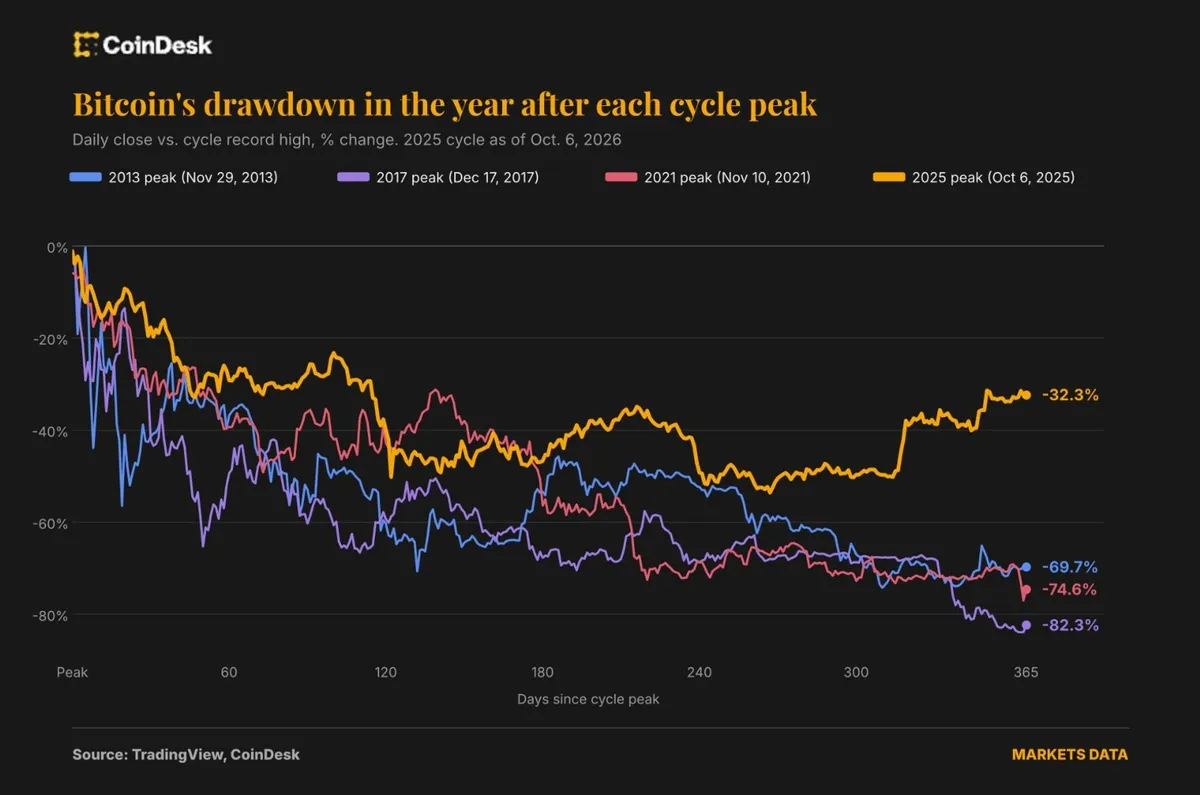
Bitcoin's 32% drop a year post-$126,000 peak shows milder bear market

Bitcoin ETFs experience $90M outflow as BTC trades 32% below ATH

EEZ initiates atomic L1-to-L2 transaction test to unify Ethereum ecosystem