Stablecoin regulation converts issuers into psuedo-banks while adding a barrier to entry for smaller players
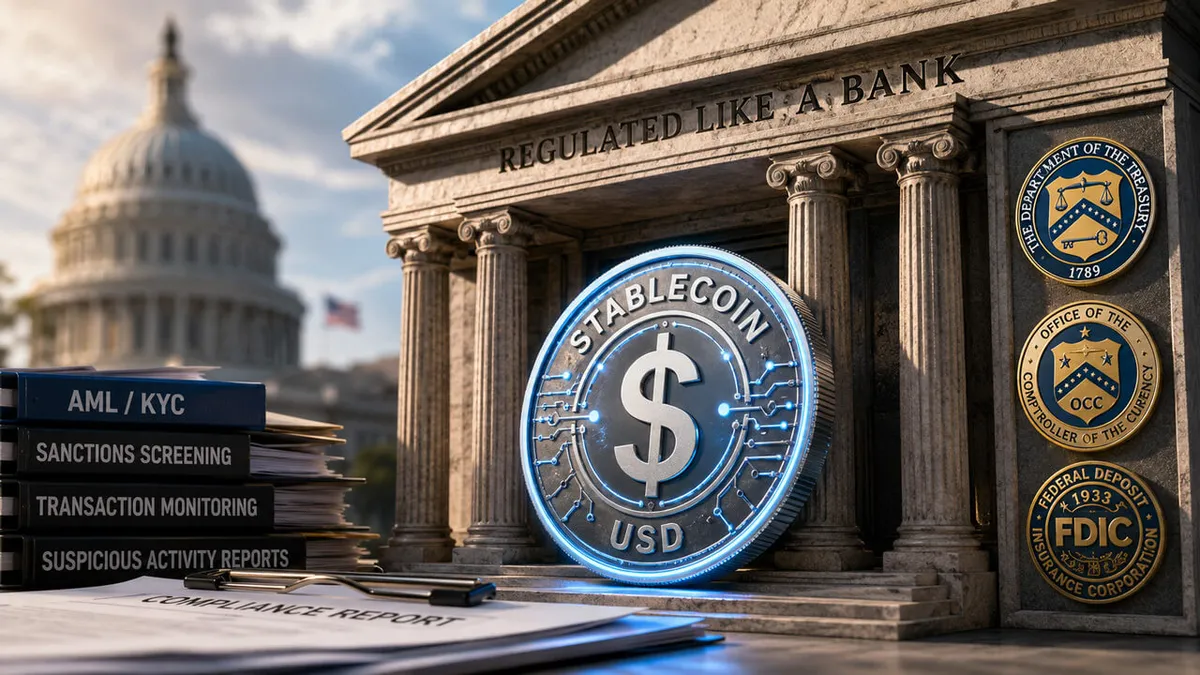
Recent developments in the regulatory landscape for stablecoins are reshaping the industry’s framework, as three federal agencies–namely the Treasury, the Office of the Comptroller of the Currency (OCC), and the Federal Deposit Insurance Corporation (FDIC)–have proposed new rules that would require stablecoin issuers to function similarly to traditional banks. Under these proposed regulations, stablecoin issuers would need to implement anti-money laundering and sanctions programs, submit weekly confidential reports, and provide quarterly financial statements. This shift not only transforms the operational dynamics for these companies but also raises the bar significantly for new entrants looking to participate in the stablecoin market.
Understanding the context behind these proposals is crucial. Stablecoins have surged in popularity as a bridge between cryptocurrencies and fiat currencies, attracting attention from regulators concerned about consumer protection, market stability, and the potential for illicit activities. As the stablecoin market has ballooned, so too have concerns regarding transparency, risk management, and systemic implications for the broader financial system. The proposed regulations signal a move towards stricter oversight, reflecting growing apprehension from federal agencies about the risks posed by unregulated stablecoin issuers.
These regulatory changes matter greatly for the market as they introduce a more complex compliance landscape that could deter smaller players from entering or remaining in the space. The new requirements could lead to a consolidation of the market, where only well-capitalized firms with the resources to meet these stringent demands can survive. This could stifle innovation and reduce competition, potentially limiting the diversity of stablecoin offerings available to consumers and investors. The ramifications could be felt across the crypto ecosystem, as stablecoins serve as critical infrastructure for trading, lending, and other financial services.
Industry reactions to these proposals have been mixed, with some experts applauding the move towards greater regulation as a necessary step for consumer protection and market integrity. Others, however, have voiced concerns that these regulations could disproportionately affect smaller firms, creating a barrier to entry that favors larger, established players. Some commentators argue that without a careful balance between regulation and innovation, the potential benefits of stablecoins could be undermined, stifling the very advancements that have made this sector so dynamic and appealing.
Looking ahead, the outcome of these proposed regulations will likely set the tone for the future of stablecoins. Stakeholders across the industry will be watching closely as feedback from the public and the industry is considered in the final rule-making process. The potential for litigation and lobbying from affected parties could further influence the trajectory of stablecoin regulation. As the discussion evolves, it will be essential for regulators to strike a balance that fosters innovation while ensuring adequate protections for consumers and the financial system as a whole.

CoinMagnetic Team
Crypto investors since 2017. We trade with our own money and test every exchange ourselves.
Updated: June 2026
From our insights:
Related news

Crypto sector emerges as top donor with $206 million in midterms backing

Stand With Crypto’s 4 million registered advocates couldn’t get the CLARITY Act through the Senate

Kakao Pay, KakaoBank to explore stablecoin opportunities with Fireblocks

US Attorney's investigation into Binance focuses on Iran sanctions compliance

ECB initiates wholesale digital euro for banks and tokenized bond purchases