SpaceX’s IPO exposes the first crack in tokenized stocks – fragmented ownership and allocation

SpaceX's recent IPO has marked a significant moment in the financial landscape, raising a whopping $75 billion at a price of $135 per share, making it the largest public offering in history. On its opening day on Nasdaq, the stock quickly surged to $150 and eventually peaked at $164, providing substantial returns for early investors. However, the excitement surrounding this historic offering has also revealed underlying issues related to tokenized stocks, particularly in terms of fragmented ownership and allocation. Retail investors have sought "SpaceX exposure" through various means, including Nasdaq shares, Backpack Securities' redeemable tokens on the Solana blockchain, and xStocks tracker certificates. This blend of traditional and tokenized assets has highlighted both the potential and challenges of integrating digital finance with conventional stock markets.
As the crypto and stock markets become increasingly intertwined, it is essential to understand the context of tokenized stocks. The concept has emerged as a way to democratize access to equity markets, allowing individuals to invest in shares through blockchain technology. This approach offers numerous advantages, including fractional ownership and increased liquidity. However, the SpaceX IPO has underscored the complications that can arise from using multiple platforms and asset types to achieve exposure to a single company. The fragmentation of ownership among various tokens and traditional shares raises questions about the value and rights attached to these different forms of investment.
The implications of this IPO for the market cannot be overstated. As more companies consider going public, the approach they take to address tokenization and fractional ownership will be closely examined by investors and regulators alike. The SpaceX case may set a precedent for how future tokenized stocks are structured and traded, potentially influencing the regulatory landscape surrounding digital assets. If investors continue to experience fragmentation and confusion over ownership rights, it could hinder the overall adoption of tokenized stocks and slow down the integration of blockchain technology into mainstream finance.
Industry experts have expressed mixed reactions to the situation. Some see the fragmentation as a natural growing pain for the evolving market, emphasizing that innovation often comes with hurdles. Others are concerned that without clearer guidelines and a cohesive framework, investor confidence could be shaken. The differing opinions highlight the need for a collaborative effort among stakeholders, including regulators, financial institutions, and blockchain developers, to address these challenges and create a more unified landscape for tokenized assets.
Looking ahead, the SpaceX IPO will likely serve as a case study for future tokenized offerings. Companies entering the public market may need to consider how to manage ownership rights and allocation more effectively to avoid the pitfalls seen in this instance. Additionally, regulatory bodies may feel pressured to provide clearer guidelines regarding tokenized stocks to ensure investor protection and maintain market integrity. As the dialogue around the intersection of traditional finance and blockchain continues to evolve, all eyes will be on how these challenges are addressed and what solutions emerge in the coming months.

CoinMagnetic Team
Crypto investors since 2017. We trade with our own money and test every exchange ourselves.
Updated: June 2026
From our insights:
Related news
Lummis blames Democrats for failed crypto Clarity Act vote
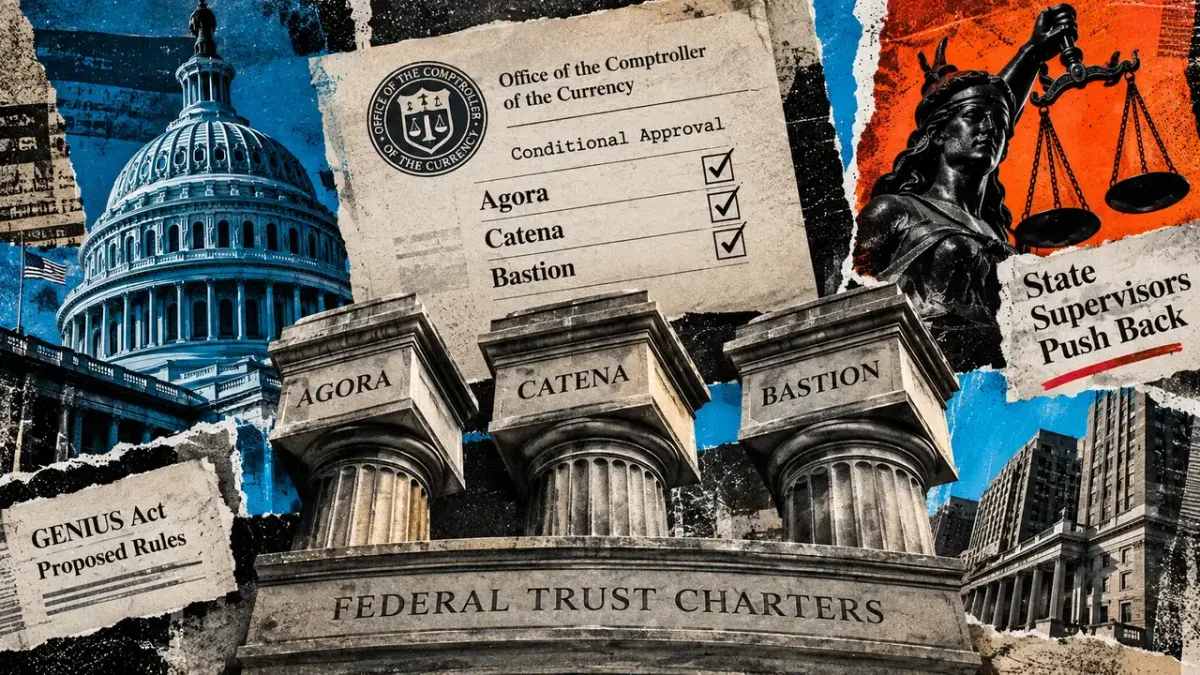
Federal approval won’t guarantee success for Agora, Catena, and Bastion
Regulatory clarity on crypto relies on officials, not Congress, says White House
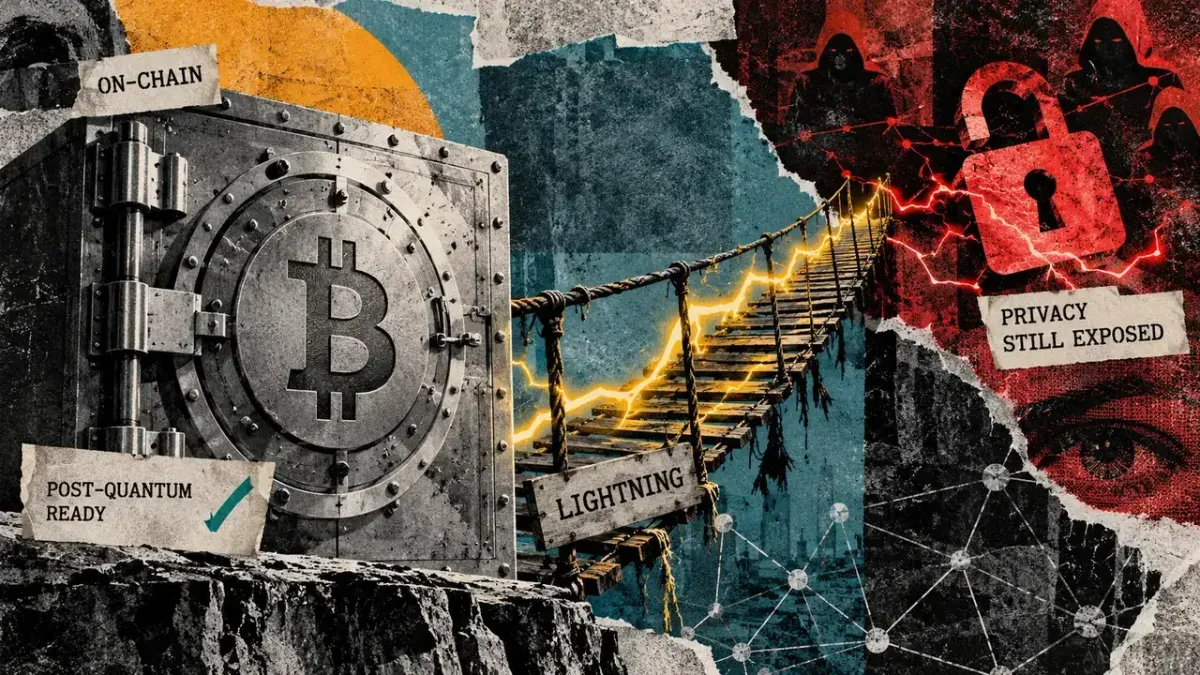
PQLN enhances Bitcoin's quantum safety but raises privacy concerns for Lightning
Canada's major banks consider tokenized deposits for interbank payments