South Korean digital bank with 15M users turns to Solana stablecoins for overseas transfers
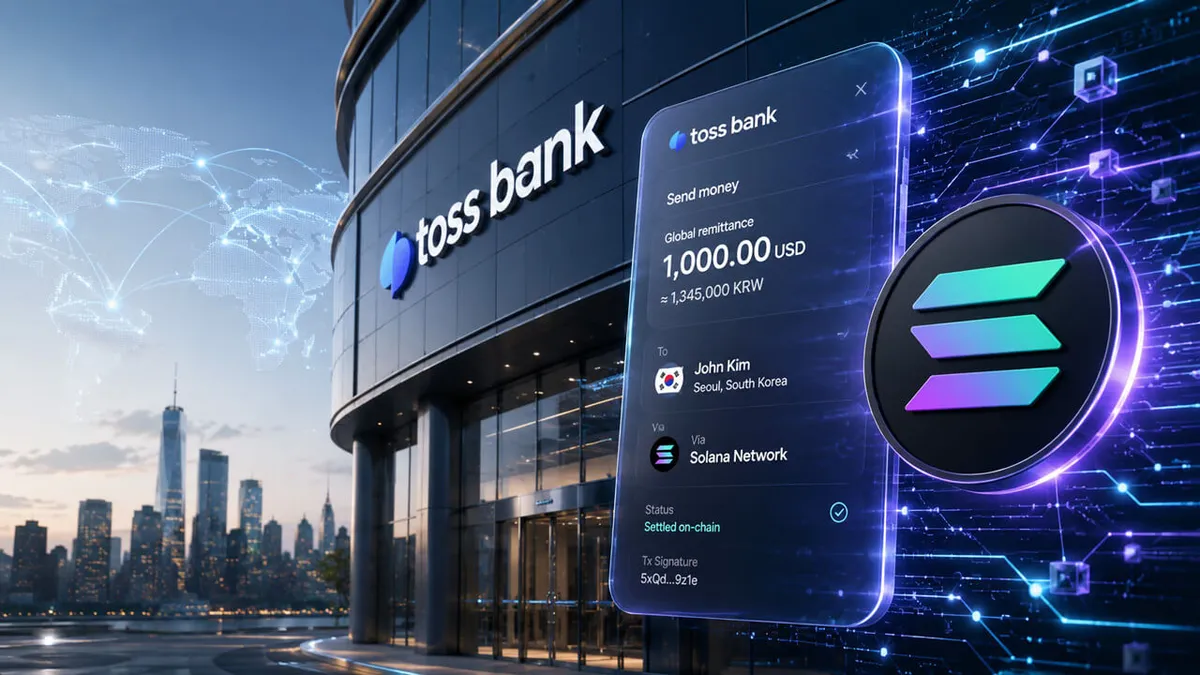
A major development in the world of digital banking has emerged from South Korea, where a prominent digital bank boasting 15 million users is integrating Solana-based stablecoins for overseas transfer services. This initiative is poised to enhance the bank's offerings, allowing customers to conduct cross-border transactions more efficiently and at lower costs. Although the specifics regarding the launch and operational details are still pending, this move signals a significant shift towards embracing blockchain technology in traditional banking platforms.
The background of this decision can be traced to the increasing demand for faster and more cost-effective payment solutions in the global financial landscape. As traditional banking systems often face delays and high fees associated with international transfers, digital banks have been exploring alternative solutions. Solana, known for its high throughput and low transaction costs, presents an appealing option for banks looking to innovate. This integration mirrors a broader trend where financial institutions are beginning to recognize the potential of cryptocurrencies and blockchain technology to improve service delivery.
This development is crucial for the cryptocurrency market, as it highlights the growing acceptance of stablecoins as a legitimate means of transaction in mainstream banking. The use of Solana's stablecoins could pave the way for more banks to explore similar integrations, potentially leading to an increased adoption of cryptocurrency in everyday financial activities. As more institutions embrace these digital assets, it could further legitimize the crypto space and bolster its market stability, providing a counterbalance to the volatility often associated with cryptocurrencies.
Industry experts have expressed optimism regarding this trend, emphasizing that partnerships between traditional banks and blockchain technologies can lead to a more efficient financial ecosystem. Many believe that the integration of stablecoins will not only improve transaction speeds but will also enhance security and transparency in cross-border payments. This is seen as a significant step towards bridging the gap between traditional finance and the burgeoning world of digital currencies, with industry leaders encouraging more banks to follow suit.
Looking ahead, we can anticipate that the digital bank will soon provide further details regarding the launch of its overseas transfer services utilizing Solana stablecoins. As the regulatory landscape continues to evolve, banks are likely to proceed cautiously while seeking ways to offer innovative solutions that comply with existing laws. The success of this initiative may influence other financial institutions to explore similar routes, potentially fostering greater collaboration between the banking sector and the crypto industry in the near future.

CoinMagnetic Team
Crypto investors since 2017. We trade with our own money and test every exchange ourselves.
Updated: June 2026
From our insights:
Related news
US investigates Binance for potential Iran-linked trading violations

Crypto sector emerges as top donor with $206 million in midterms backing

Stand With Crypto’s 4 million registered advocates couldn’t get the CLARITY Act through the Senate

Kakao Pay, KakaoBank to explore stablecoin opportunities with Fireblocks

US Attorney's investigation into Binance focuses on Iran sanctions compliance