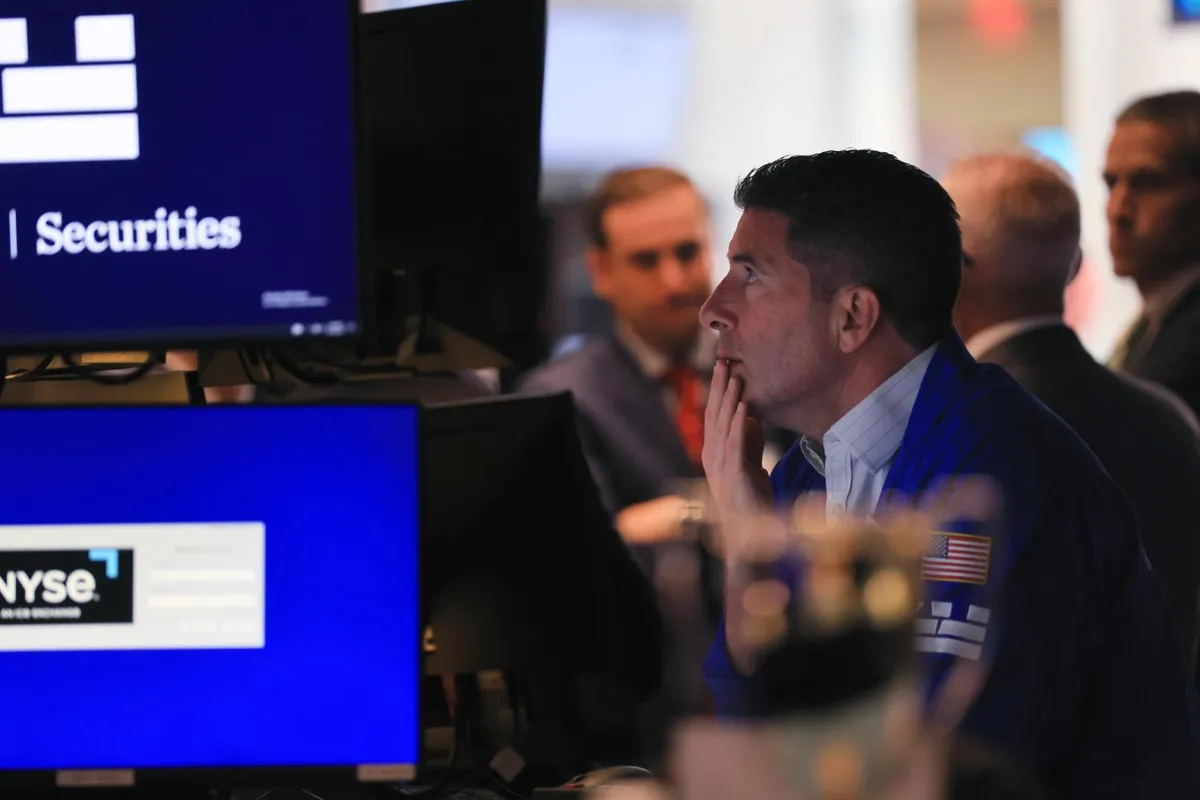
SEC targets 20-year-old rule standing between Wall Street and blockchain trading

The Securities and Exchange Commission (SEC) has taken a significant step towards reshaping the landscape of financial trading by proposing the rescindment of Rule 611 of Regulation NMS, a regulation that has been in place for 20 years. This rule, known as the trade-through rule, mandates that trading centers must not execute trades at prices worse than those available at other venues. The SEC’s proposal, submitted on June 11, aims to address the evolving nature of financial markets, particularly the rise of blockchain technology and decentralized finance, which have introduced new trading paradigms that could benefit from a more flexible regulatory framework.
The backdrop to this proposal is a financial ecosystem increasingly influenced by technology. Over the past two decades, advancements in trading technology and the advent of digital assets have transformed how trades are executed. The trade-through rule, which was originally designed to protect investors by ensuring they receive the best available prices, now faces criticism for potentially stifling innovation and preventing the integration of blockchain-based trading systems. As decentralized exchanges (DEXs) gain traction, industry participants argue that the rule may inhibit the ability to execute trades quickly and at optimal prices in a rapidly changing digital landscape.
The implications of this proposal are far-reaching for the market. If the SEC successfully dismantles the trade-through rule, it could pave the way for a more competitive trading environment that embraces blockchain technology. This could lead to greater efficiency, lower trading costs, and enhanced access to markets for a wider array of investors. Additionally, it may encourage traditional financial institutions to explore blockchain solutions more aggressively, potentially leading to a more integrated financial system that incorporates both traditional and digital assets.
Reactions from industry experts have been largely positive, with many expressing hope that the SEC's move could signify a broader acceptance of innovative trading technologies. Some market participants have noted that this shift could also signal an intent by the SEC to modernize its approach to regulation in light of technological advancements. However, there are concerns about the potential risks associated with a more permissive trading environment, including market manipulation and investor protection issues. As the discussion unfolds, stakeholders will be keenly watching how the SEC balances innovation with the need to maintain market integrity.
Looking ahead, the SEC's proposal will likely ignite debates within the industry, prompting discussions about the future of trading regulations. Stakeholders, including exchanges, broker-dealers, and technology developers, will need to engage with regulators to ensure that any new framework fosters innovation while protecting investors. As the SEC moves forward with its proposal, the next steps will involve public commentary and potential adjustments based on feedback from the financial community. This could ultimately lead to a new regulatory landscape that embraces the opportunities presented by blockchain and other emerging technologies.

CoinMagnetic Team
Crypto investors since 2017. We trade with our own money and test every exchange ourselves.
Updated: June 2026
From our insights:
Related news
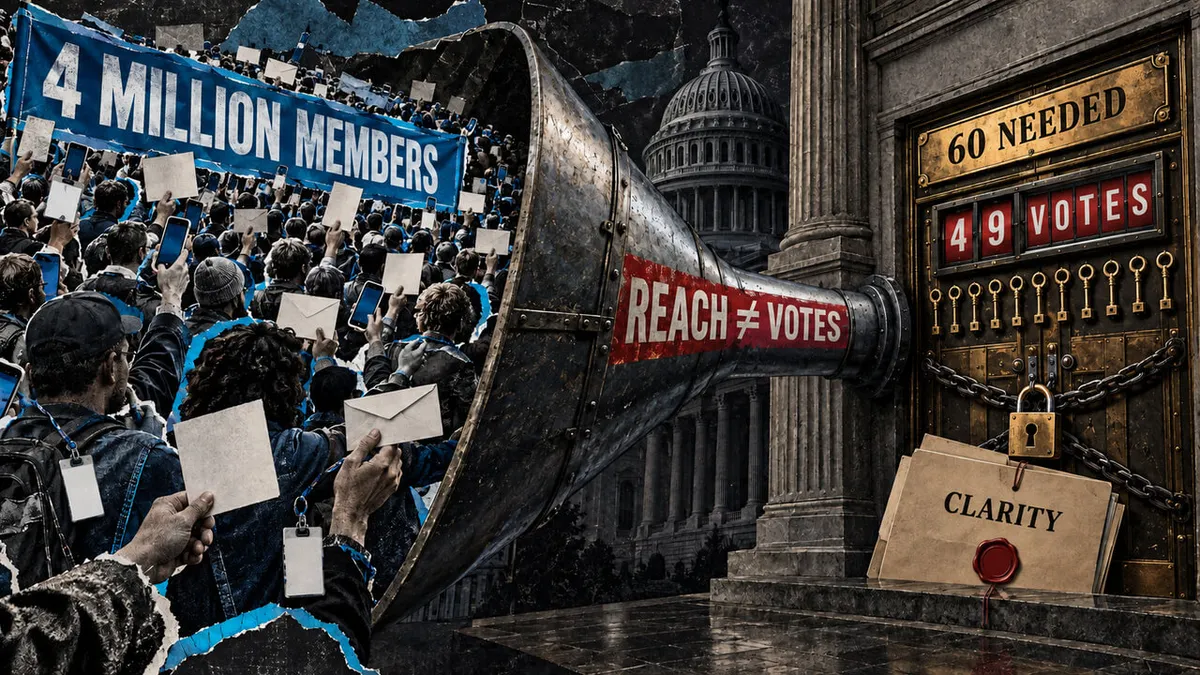
Stand With Crypto’s 4 million registered advocates couldn’t get the CLARITY Act through the Senate

Kakao Pay, KakaoBank to explore stablecoin opportunities with Fireblocks

US Attorney's investigation into Binance focuses on Iran sanctions compliance
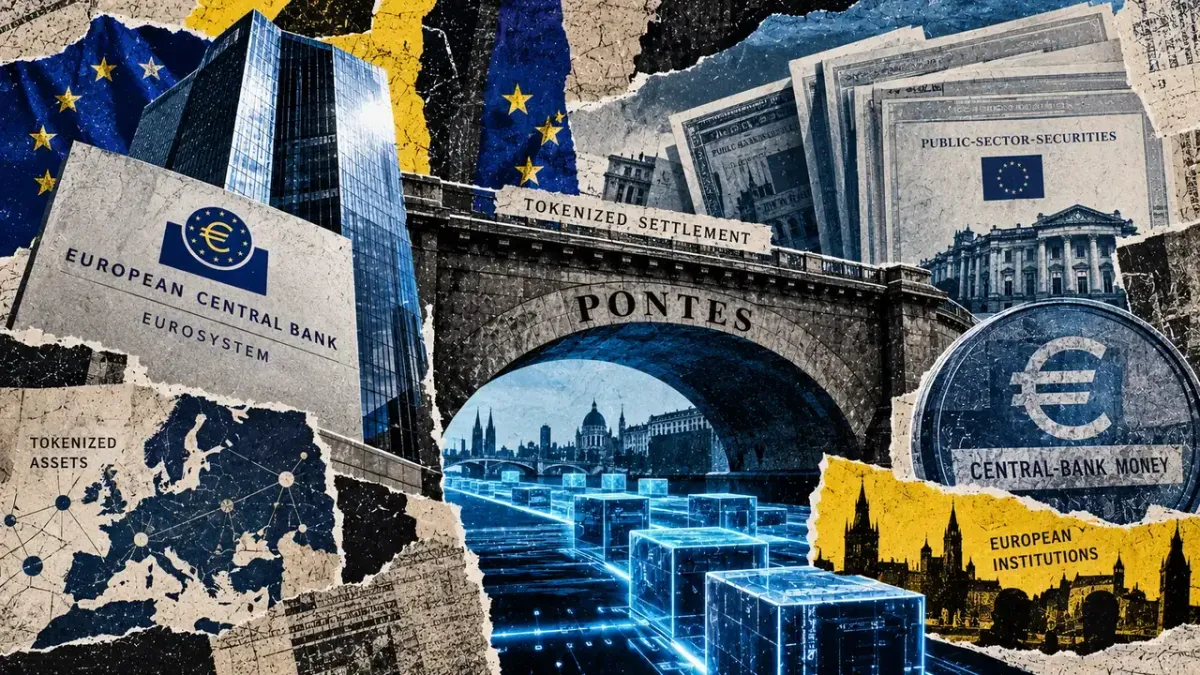
ECB initiates wholesale digital euro for banks and tokenized bond purchases

X files lawsuit against two influencers over $278,000 payout scheme