SEC’s proposal to scrap key NMS rules a major unlock for tokenized US stocks: analysts
The recent proposal by the SEC to eliminate certain key rules under the National Market System (NMS) has sparked significant interest, particularly in the realm of tokenized U.S. stocks. Analysts, including those from Galaxy Digital, suggest that this move could significantly enhance the trading capabilities of decentralized finance (DeFi) automated market makers by removing existing barriers that currently inhibit the scale at which tokenized equities can be traded. This development is being viewed as a potential catalyst for the growth of tokenized assets in the market.
To understand the implications of this proposal, it's essential to consider the historical context of the NMS rules. These regulations were designed to ensure fair and orderly trading in U.S. securities, promoting transparency and efficiency. However, critics have argued that certain aspects of these rules create obstacles for innovative trading mechanisms, particularly in the rapidly evolving DeFi space. By potentially scrapping these regulations, the SEC could be acknowledging the need for a more adaptive framework that accommodates technological advancements and the growing interest in digital assets.
The removal of these barriers could have significant ramifications for the market. Analysts believe that allowing DeFi platforms to trade tokenized U.S. stocks at scale may lead to increased liquidity and broader access for investors. This could democratize investment opportunities, enabling a wider range of market participants to engage with equities in a more efficient and cost-effective manner. Additionally, it might incentivize traditional financial institutions to explore partnerships with DeFi platforms, further blurring the lines between conventional finance and digital assets.
Reactions from industry experts have been overwhelmingly positive, with many seeing this as a pivotal moment for the future of tokenized stocks. Analysts from various firms have echoed the sentiment that this could usher in an era of innovation within the financial markets. There is cautious optimism, though, as some stakeholders call for clarity on how the SEC plans to implement these changes and ensure investor protection in the evolving landscape. The potential for both growth and disruption is palpable, and many are eager to see how this proposal will reshape the dynamics of trading in the coming months.
Looking ahead, the next steps will be crucial in determining how these changes will unfold. The SEC's proposal will likely undergo scrutiny and discussion among industry players and regulators alike. Stakeholders will be watching closely to see how the SEC balances the need for regulatory oversight with the desire to foster innovation. As the landscape evolves, we expect to see more developments in the realm of tokenized assets, and the outcomes of this proposal will play a significant role in shaping the future of trading in the U.S. markets.

CoinMagnetic Team
Crypto investors since 2017. We trade with our own money and test every exchange ourselves.
Updated: June 2026
From our insights:
Related news
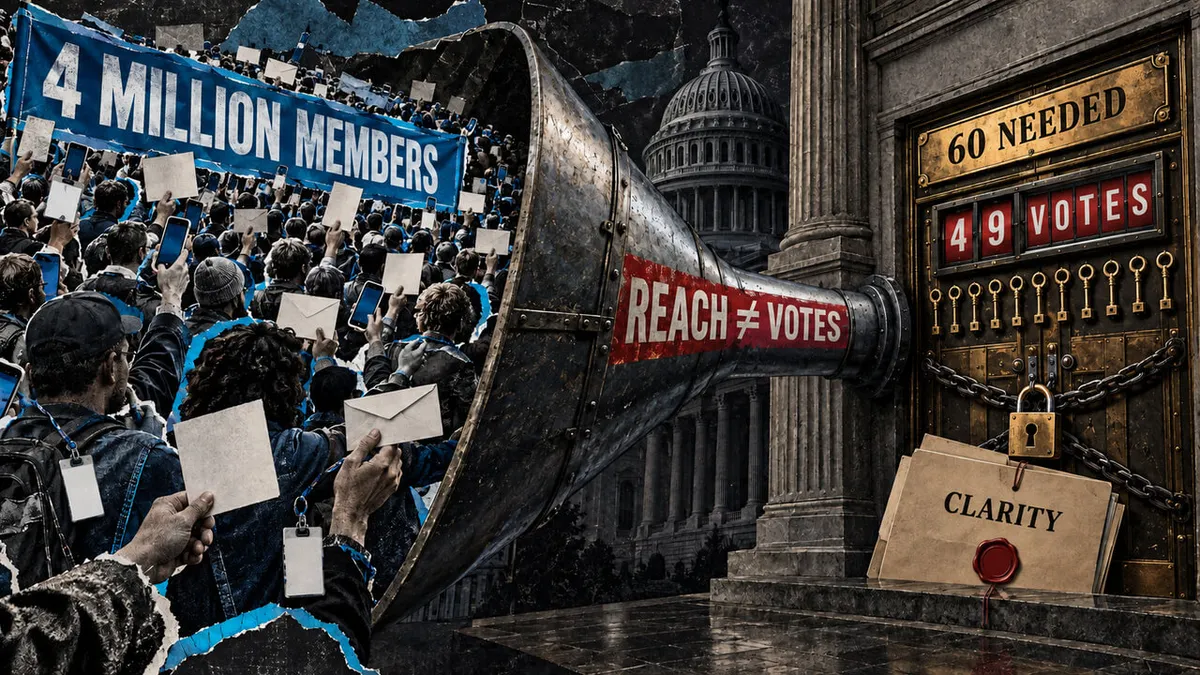
Stand With Crypto’s 4 million registered advocates couldn’t get the CLARITY Act through the Senate

Kakao Pay, KakaoBank to explore stablecoin opportunities with Fireblocks

US Attorney's investigation into Binance focuses on Iran sanctions compliance
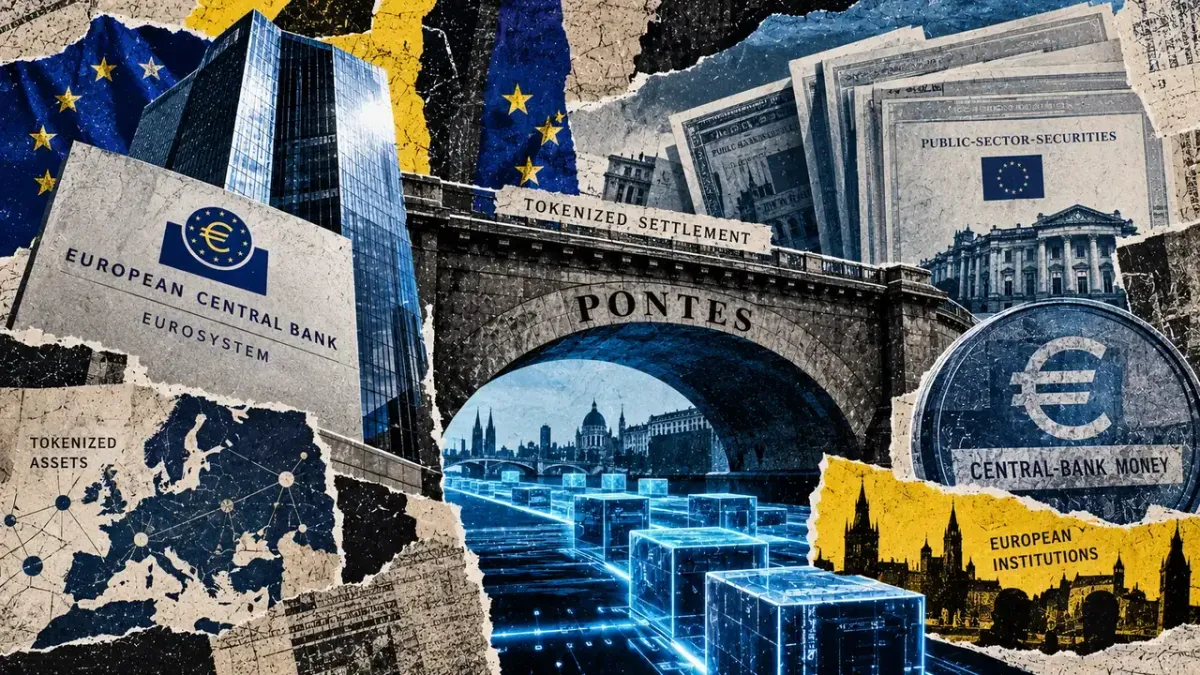
ECB initiates wholesale digital euro for banks and tokenized bond purchases

X files lawsuit against two influencers over $278,000 payout scheme