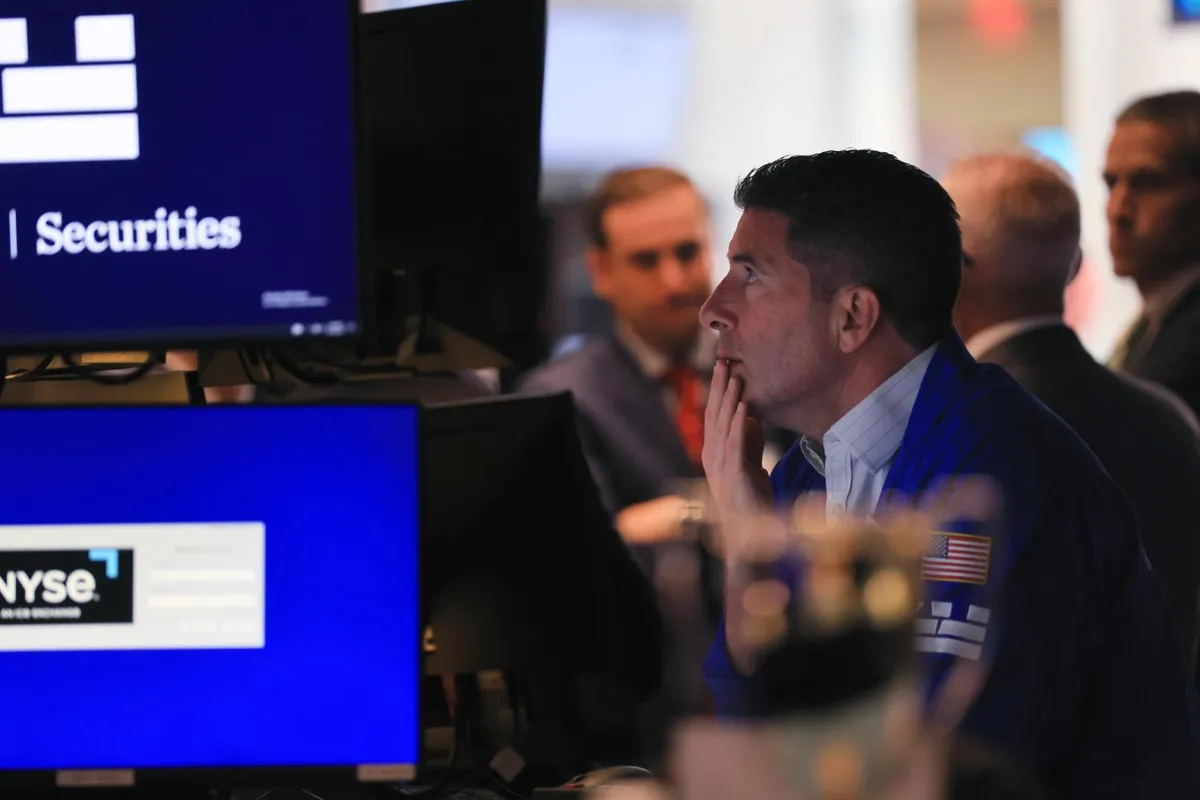
SEC plan to scrap ‘Rule 611’ positive for tokenized US stocks: Galaxy
The recent announcement from the SEC regarding the potential scrapping of Rule 611 has generated significant interest in the realm of tokenized US stocks. According to Alex Thorn from Galaxy, this change could pave the way for a more fluid trading environment for tokenized assets. Rule 611, which mandates that market participants execute orders at the best available price, has been seen as a barrier to the trading of tokenized stocks on decentralized platforms. With its removal, Thorn suggests that it would lead to greater efficiency and accessibility in trading these digital representations of traditional equities.
To understand the implications of this potential regulatory shift, it is essential to consider the background of Rule 611 and its impact on the trading landscape. Established as part of the SEC's Regulation NMS (National Market System), Rule 611 was aimed at ensuring that investors received the best possible prices for their trades. However, as the financial ecosystem evolves, particularly with the rise of decentralized finance (DeFi) and tokenized assets, critics have argued that such rules may hinder innovation and limit the potential for new trading mechanisms that could benefit investors.
The relevance of this development for the market cannot be overstated. If the SEC moves forward with the elimination of Rule 611, it could unlock new opportunities for tokenized stocks, allowing them to be traded more freely on decentralized exchanges. This shift could attract a new wave of investors interested in diversifying their portfolios with digital assets that mimic traditional equities. Moreover, it could signal a broader trend of regulatory adaptation to the changing landscape of finance, potentially encouraging more participants in the crypto and tokenized asset markets.
Industry reactions to this news have been largely positive. Experts like Thorn have pointed out that the removal of such barriers is a crucial step toward creating a more integrated financial ecosystem. Many in the crypto community see this as an opportunity for increased liquidity and innovation, as decentralized platforms could leverage more flexible trading mechanisms to offer better user experiences. However, some caution that the SEC's regulatory landscape may remain complex, and the path to fully realizing the potential of tokenized stocks could still face challenges.
Looking ahead, it will be important to monitor how the SEC's plans unfold and what specific changes to Rule 611 will be implemented. The regulatory body has historically approached changes to financial regulations cautiously, often seeking input from various stakeholders before making significant decisions. As discussions progress, market participants will be keen to understand how these changes might influence the trading of tokenized stocks and the broader implications for the integration of traditional finance and digital assets. The evolution of this regulatory framework will likely play a critical role in shaping the future of finance in a rapidly digitizing world.

CoinMagnetic Team
Crypto investors since 2017. We trade with our own money and test every exchange ourselves.
Updated: June 2026
From our insights:
Related news
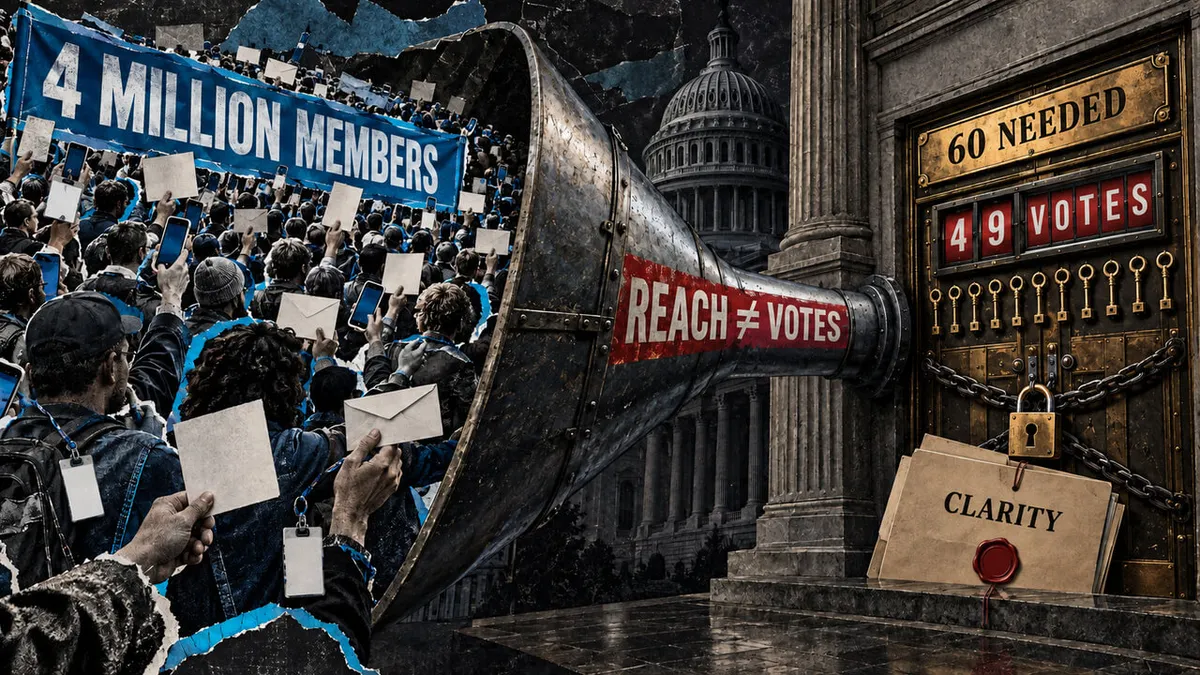
Stand With Crypto’s 4 million registered advocates couldn’t get the CLARITY Act through the Senate

Kakao Pay, KakaoBank to explore stablecoin opportunities with Fireblocks

US Attorney's investigation into Binance focuses on Iran sanctions compliance
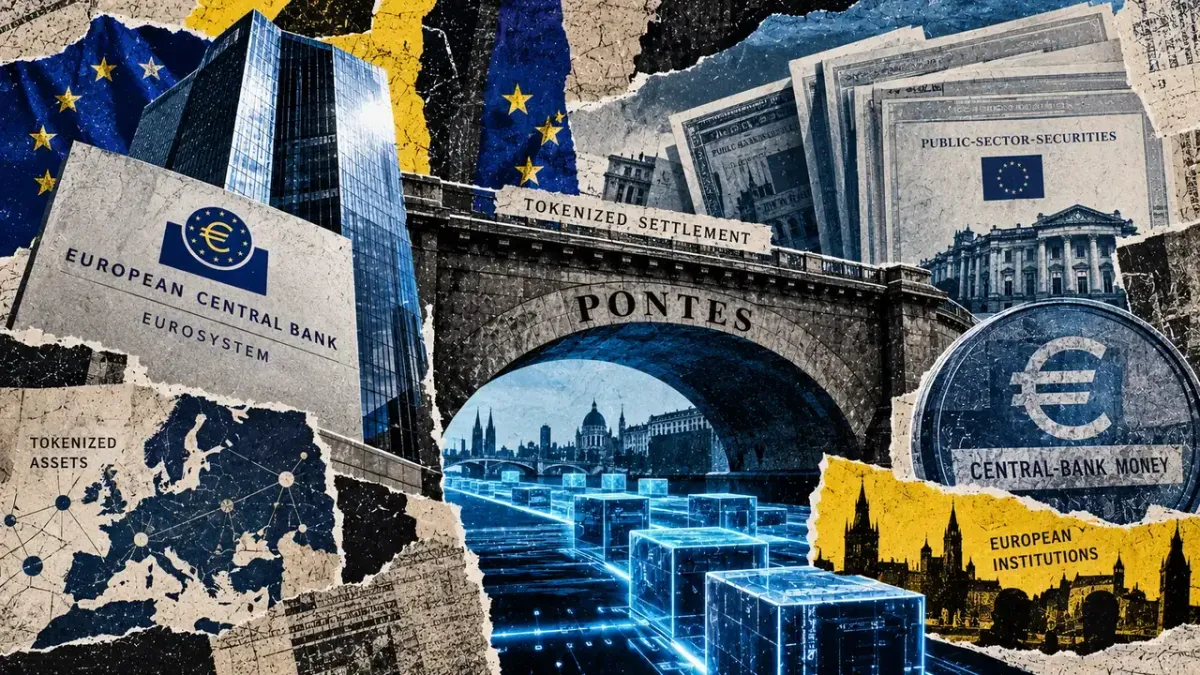
ECB initiates wholesale digital euro for banks and tokenized bond purchases
X files lawsuit against two influencers over $278,000 payout scheme