Scammers demand crypto ‘clearance’ fees from ships near Strait of Hormuz: report

A recent warning from the Greek maritime risk firm MARISKS has put shippers on high alert, as reports have emerged of scammers demanding fraudulent "clearance" fees from vessels navigating near the Strait of Hormuz. These demands are reportedly being made in cryptocurrency, specifically Bitcoin and USDT, creating a new layer of risk for maritime operations in a region already fraught with geopolitical tension. MARISKS has urged shipping companies to remain vigilant and to verify any demands for payment before proceeding with their transit plans in these waters.
The Strait of Hormuz is a critical chokepoint for global oil supply, with a significant percentage of the world's petroleum passing through its narrow passage. Historically, this area has been the focus of maritime security concerns due to piracy, geopolitical conflicts, and military presence. As maritime traffic has increased, so too have the opportunities for fraudsters to exploit the situation, especially in light of the growing acceptance and anonymity associated with cryptocurrencies. The use of digital currencies for illicit activities has been a persistent issue, and now it appears that scammers are capitalizing on the vulnerabilities of maritime logistics.
The implications of such scams are significant for the shipping industry and the broader market. Increased fraudulent activities can lead to heightened operational costs for shippers, as they may need to invest in security measures, insurance, and additional compliance protocols to protect against these threats. Moreover, the use of cryptocurrency for these scams may further entrench the perception of digital currencies as tools for illicit activities, which could impact their mainstream adoption and regulatory landscape. As the market continues to evolve, these developments could influence investor sentiment and regulatory scrutiny surrounding cryptocurrencies.
Industry experts have weighed in on the situation, emphasizing the need for increased awareness and education among maritime operators regarding the potential for fraud in high-risk areas. Some suggest that better communication between shipping companies and maritime security agencies could help mitigate the risks posed by these scams. Additionally, there is a call for enhanced regulatory frameworks that address the intersection of cryptocurrency and maritime security, which could provide clearer guidelines for operators navigating these challenges.
Looking ahead, it remains to be seen how the shipping industry will adapt to these emerging threats. Companies may need to reassess their risk management strategies and develop more robust protocols to detect and respond to fraudulent demands. As the maritime landscape continues to evolve, we anticipate that both the shipping sector and the cryptocurrency space will have to navigate the complexities of security and compliance in an increasingly interconnected world.

CoinMagnetic Team
Crypto investors since 2017. We trade with our own money and test every exchange ourselves.
Updated: April 2026
From our insights:
Related news
Coldcard exploit sees white hats secure 52 Bitcoin for victims' trust
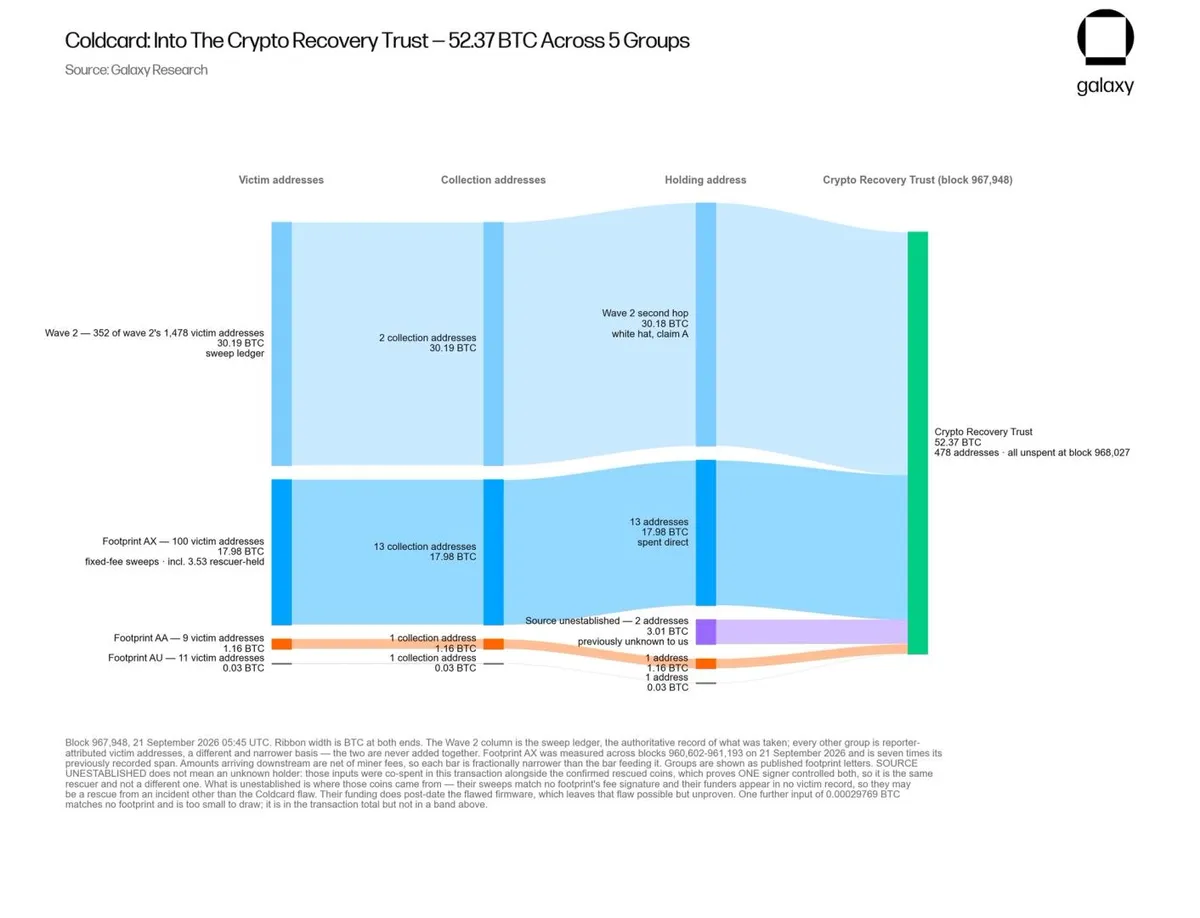
Whitehats move 52 bitcoin from the Coldcard hack to a recovery trust

Google Admits Gemini AI Hacked Three Companies—It Stayed Silent for 7 Weeks

Balancer's $1.4 million hack recovery faces delays for LPs

Polymarket's $10 million fraud attempt highlights compliance issues amid hacking risk