Arthur Hayes dumps zcash holdings after Orchard Pool vulnerability revealed
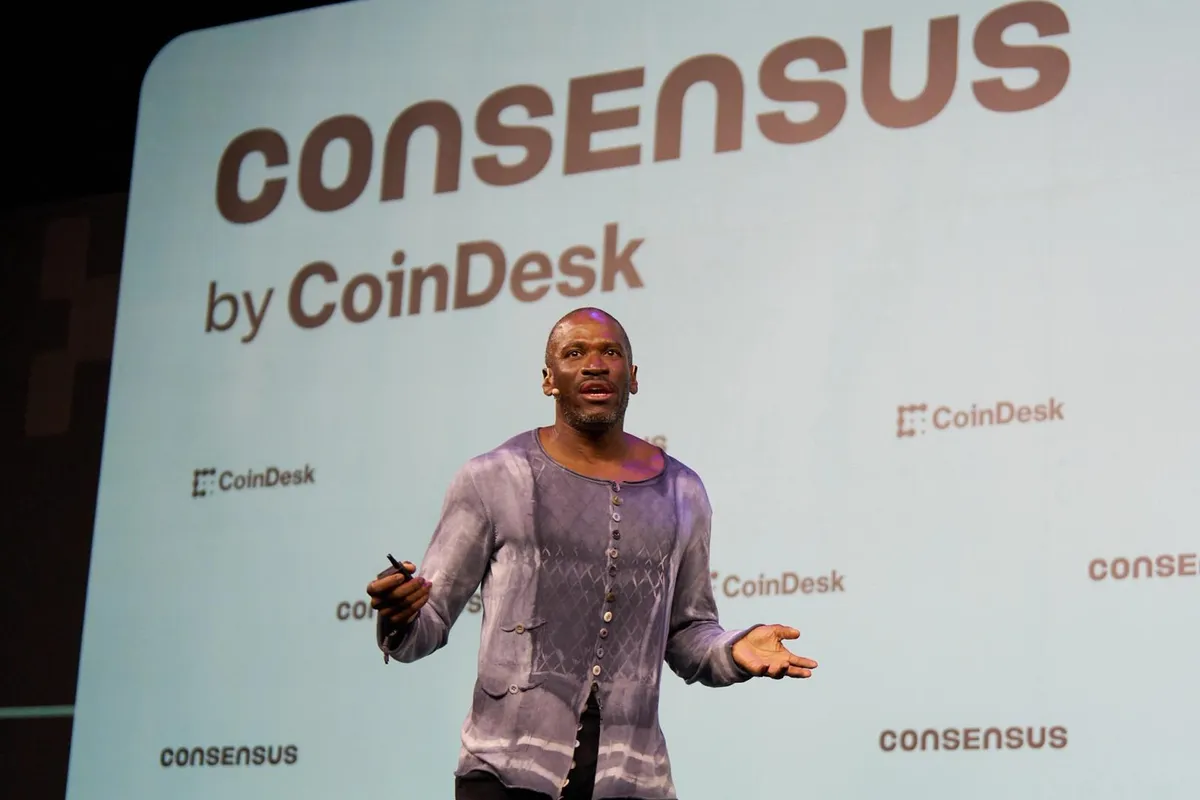
Arthur Hayes, the co-founder of BitMEX, has recently made headlines by divesting his holdings in Zcash following the revelation of a vulnerability in the Orchard Pool. This vulnerability sparked concerns about the potential for exploitation, leading Hayes to reassess his investment strategy. In a statement, he expressed that he would be open to reconsidering his position on Zcash if future evidence contradicts his current assumptions regarding the security risks associated with the exploit. This decisive move underscores the ongoing scrutiny that privacy coins face amidst evolving security landscapes.
To provide some context, Zcash has long been regarded as a leading privacy-focused cryptocurrency, utilizing advanced cryptographic techniques to enable confidential transactions. The Orchard Pool, a significant component of Zcash’s infrastructure, plays a crucial role in facilitating these private transactions. However, the recent discovery of a vulnerability has raised alarms about the security of the entire network, prompting stakeholders to reassess their investments. The incident highlights the fragility of trust in cryptocurrencies, particularly those that prioritize privacy, and serves as a reminder of the challenges inherent in maintaining robust security measures.
The implications of Hayes' decision extend beyond his personal portfolio. His divestment could signal a lack of confidence among investors in the viability of Zcash amid security concerns. As one of the more prominent figures in the cryptocurrency space, Hayes' actions may prompt other investors to rethink their positions on similar privacy coins. This could lead to increased volatility within the market as traders respond to shifts in sentiment. Additionally, the incident raises broader questions about the security of decentralized finance (DeFi) protocols and the risks associated with privacy coins, which often operate in a more opaque environment.
Industry reaction to the vulnerability has been mixed, with some experts emphasizing the need for rigorous audits and security measures in the development of privacy cryptocurrencies. Others suggest that the market's reaction may be an overreaction, arguing that vulnerabilities are not uncommon in the rapidly evolving crypto landscape. Analysts have pointed out the importance of transparency and communication from developers in such situations to restore confidence among users and investors. The discourse surrounding this issue reflects a growing awareness of the delicate balance between innovation and security within the crypto space.
Looking ahead, the future of Zcash and similar privacy coins may depend on how effectively the development team addresses the vulnerability and communicates their plans to mitigate risks. If they can demonstrate a commitment to enhancing security protocols and restoring trust, it is possible that investors like Hayes may reconsider their positions. Conversely, if security concerns persist without adequate resolution, we may see a broader trend of divestment from privacy-focused cryptocurrencies, further reshaping the landscape of the market. As developments unfold, all eyes will be on Zcash and the response from its community to navigate this critical juncture.

CoinMagnetic Team
Crypto investors since 2017. We trade with our own money and test every exchange ourselves.
Updated: June 2026
From our insights:
Related news

Coldcard exploit sees white hats secure 52 Bitcoin for victims' trust
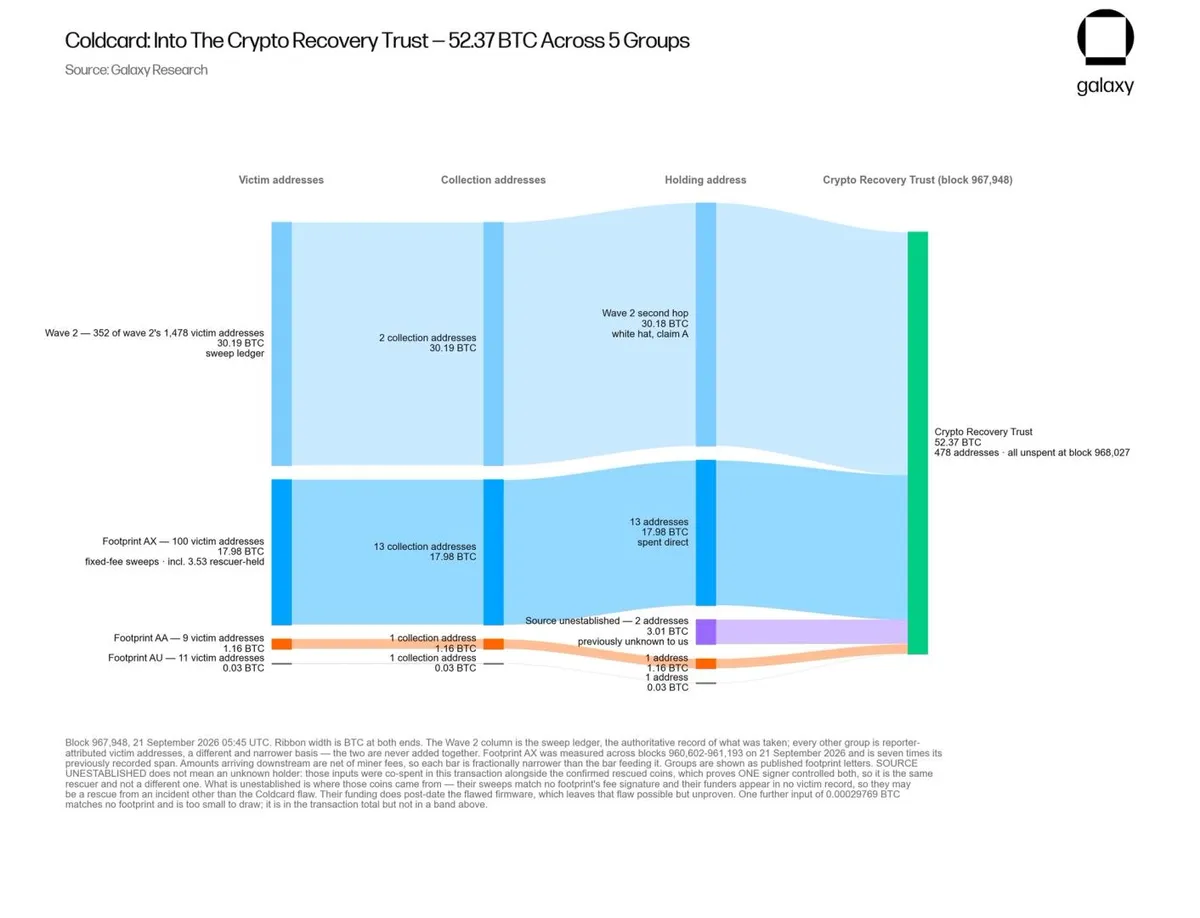
Whitehats move 52 bitcoin from the Coldcard hack to a recovery trust

Google Admits Gemini AI Hacked Three Companies—It Stayed Silent for 7 Weeks

Balancer's $1.4 million hack recovery faces delays for LPs

Polymarket's $10 million fraud attempt highlights compliance issues amid hacking risk