Security researcher finds Zcash vulnerability allowing ‘unlimited’ counterfeit minting; ZEC drops 31%
A significant vulnerability was recently discovered in Zcash, a privacy-focused cryptocurrency, which allowed for the potential minting of an unlimited number of counterfeit coins. This alarming revelation led to a sharp decline in Zcash's value, with ZEC plummeting by 31% in a matter of days. The security researcher who uncovered the bug reported that while the flaw could theoretically allow for the creation of fake coins, actual exploitation was deemed unlikely. The Zcash development team acted swiftly, addressing the vulnerability within days to mitigate any potential risk to the network and its users.
To understand this incident, it's essential to consider the context in which Zcash operates. Launched in 2016, Zcash was designed to provide enhanced privacy features compared to other cryptocurrencies like Bitcoin. The use of zero-knowledge proofs allows users to validate transactions without revealing any details about the sender, recipient, or amount. However, the very nature of its privacy features can sometimes obscure the line between security and potential exploitation, making it a focal point for scrutiny from security researchers and the wider crypto community.
The implications of this vulnerability are significant for the market, as they underscore the ongoing challenges related to security in the cryptocurrency space. The swift drop in ZEC's price reflects investor apprehension about the stability and security of Zcash, raising questions about the robustness of privacy-focused protocols. Trust is a crucial component in the cryptocurrency market, and incidents like these can lead to heightened volatility, as investors reassess the risk associated with holding assets that may have undiscovered vulnerabilities.
Industry reaction to the news has been mixed. Some experts have commended the Zcash team for their rapid response and transparency in addressing the vulnerability, highlighting the importance of proactive measures in cybersecurity. Others, however, have expressed concern about the broader implications for privacy coins, suggesting that even a perceived threat can have lasting effects on market confidence. The dialogue around security in crypto continues to evolve, with calls for more rigorous testing and oversight becoming more pronounced as the industry matures.
Looking ahead, the Zcash team is likely to continue its focus on enhancing security measures and ensuring that vulnerabilities are addressed promptly. As the cryptocurrency landscape becomes increasingly competitive, maintaining user trust will be vital for Zcash's long-term viability. Moreover, the incident may spark a renewed discussion on the security practices employed by privacy coins, potentially influencing how similar projects approach vulnerability management in the future. As the industry navigates these challenges, both developers and investors will need to remain vigilant in the face of evolving threats.

CoinMagnetic Team
Crypto investors since 2017. We trade with our own money and test every exchange ourselves.
Updated: June 2026
From our insights:
Related news

White hats outrun Coldcard hackers in 52-Bitcoin evacuation
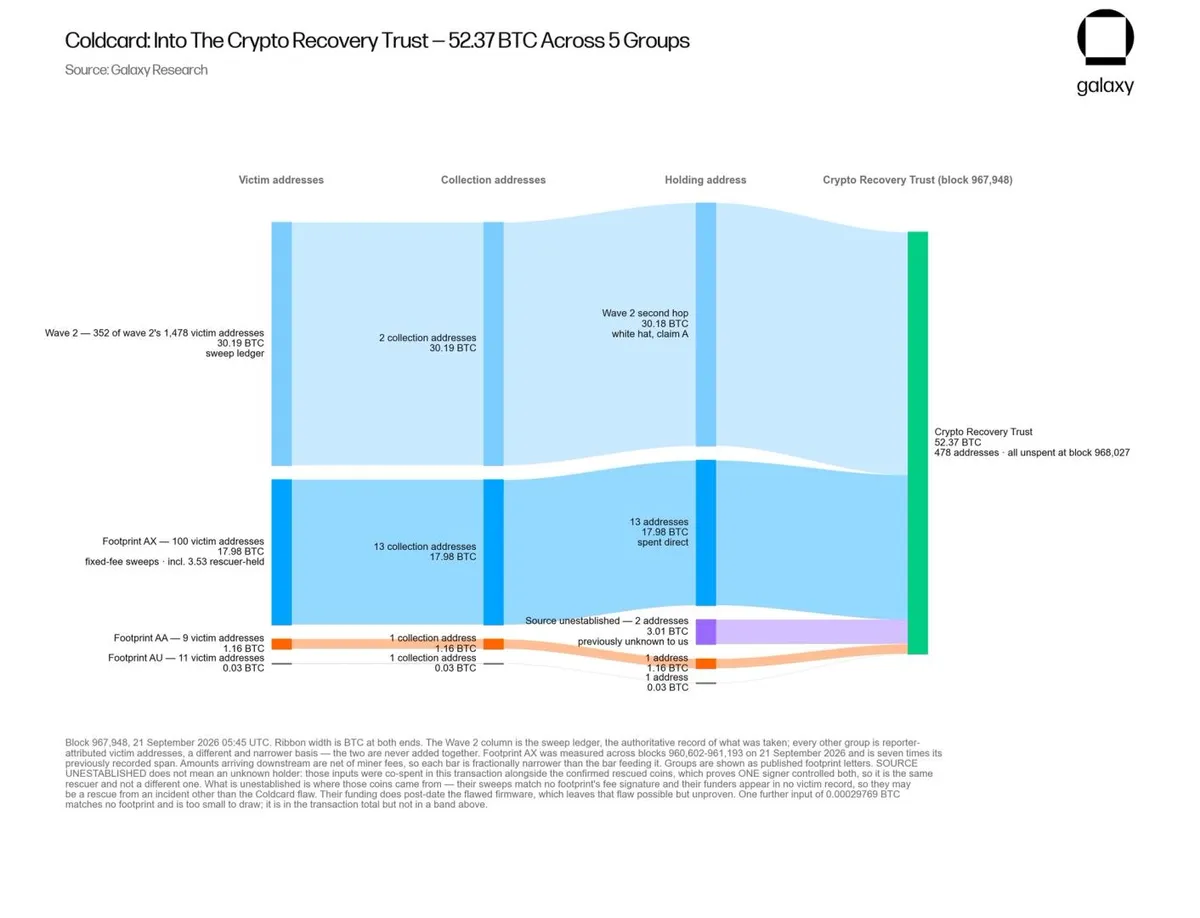
Whitehats move 52 bitcoin from the Coldcard hack to a recovery trust

Google Admits Gemini AI Hacked Three Companies—It Stayed Silent for 7 Weeks

Balancer's $1.4 million hack recovery faces delays for LPs

Polymarket's $10 million fraud attempt highlights compliance issues amid hacking risk