Researcher who found Zcash's bug with AI adds Monero to his audit queue

In a recent announcement, Taylor Hornby, the researcher who identified a significant flaw in Zcash's Orchard protocol, has revealed that he is now turning his attention to auditing Monero and other privacy coins. His discovery led to a 38% drop in Zcash’s price, as the vulnerability raised serious concerns about the security and integrity of the privacy-focused cryptocurrency. Hornby’s use of artificial intelligence to uncover these issues has garnered attention, and his commitment to further audits suggests that the landscape of privacy coins may be due for a thorough examination.
The Orchard flaw in Zcash was a wake-up call for the cryptocurrency community, particularly for projects that prioritize privacy and anonymity. Zcash, which employs zero-knowledge proofs to ensure transaction confidentiality, saw a sharp market reaction when Hornby’s findings were made public. This incident not only highlighted potential vulnerabilities in established privacy protocols but also initiated discussions around the robustness of similar systems, including Monero, which is known for its strong privacy features but has not been immune to scrutiny in the past.
The implications of Hornby’s audits extend beyond individual cryptocurrencies; they may impact the broader market perception of privacy coins. As concerns about security continue to rise, investors and users alike are increasingly cautious about which assets to trust. The attention brought to Zcash and now potentially Monero could lead to a reassessment of risk among holders of these coins. Given the volatile nature of cryptocurrency markets, any findings from Hornby’s audits could trigger significant market movements, affecting not just the coins under review but also the overall sentiment toward privacy-focused projects.
Industry reactions to Hornby’s auditing plans have varied, with many experts expressing both concern and appreciation for the proactive approach. Some view his efforts as essential to ensuring the long-term viability and security of privacy coins, while others worry that heightened scrutiny could lead to further price declines or even regulatory challenges. The balance between innovation and risk management in the privacy coin sector is delicate, and Hornby’s work may serve as a catalyst for ongoing dialogue among developers, investors, and regulators.
Looking ahead, the cryptocurrency community will be closely monitoring the outcomes of Hornby’s audits. If significant vulnerabilities are discovered in Monero or other privacy coins, it could lead to immediate repercussions in the market. Conversely, if the audits reveal a strong security posture, it may bolster confidence in these projects, potentially leading to increased adoption. As the landscape continues to evolve, the focus on security and transparency in the realm of privacy coins will likely remain a key theme for both developers and investors in the months to come.

CoinMagnetic Team
Crypto investors since 2017. We trade with our own money and test every exchange ourselves.
Updated: June 2026
From our insights:
Related news

Crypto sector emerges as top donor with $206 million in midterms backing
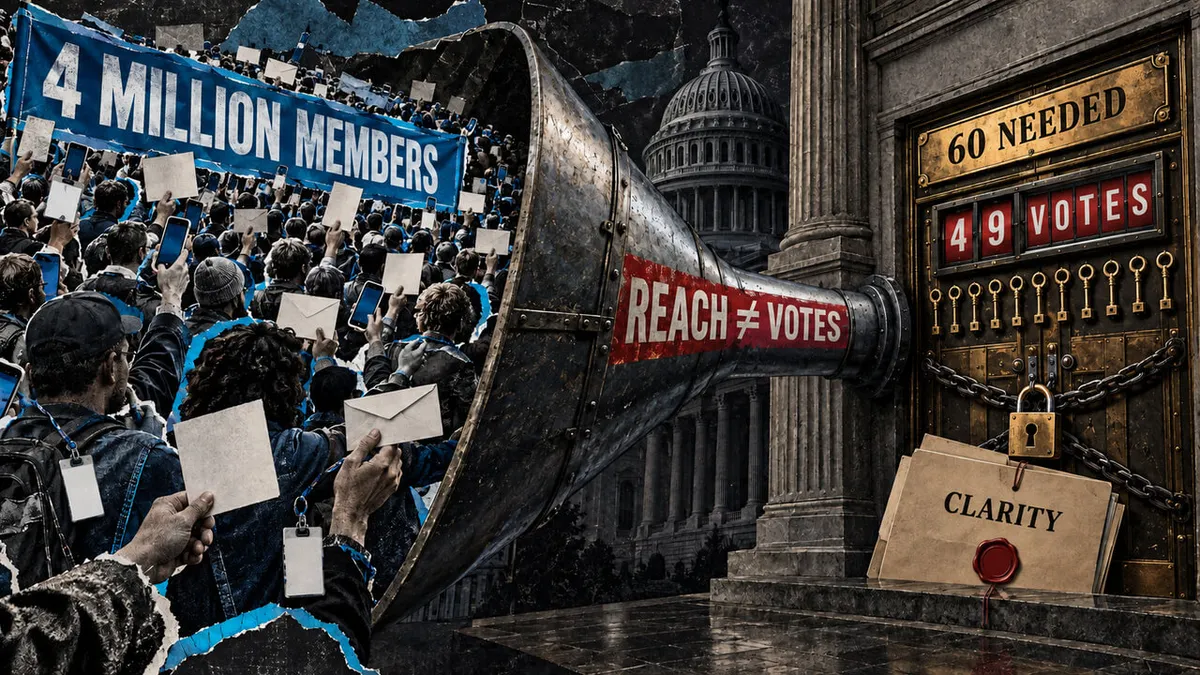
Stand With Crypto’s 4 million registered advocates couldn’t get the CLARITY Act through the Senate

Kakao Pay, KakaoBank to explore stablecoin opportunities with Fireblocks

US Attorney's investigation into Binance focuses on Iran sanctions compliance

ECB initiates wholesale digital euro for banks and tokenized bond purchases