Republican Lawmaker Plans to Add Prediction Markets to Congressional Stock Ban Bill
Rep. Bryan Steil, a Republican lawmaker, recently announced his intention to amend the House's congressional stock ban bill to include prediction markets such as Polymarket and Kalshi. This move comes amidst growing concerns regarding the integrity of lawmakers’ financial dealings and potential conflicts of interest. By incorporating prediction markets into the legislation, Steil seeks to ensure that these platforms, which allow users to bet on the outcomes of various events, are subject to the same regulations as traditional stock trading for members of Congress.
The concept of banning stock trading among lawmakers has gained traction over the past few years, particularly following high-profile cases that raised ethical questions about insider trading. As digital platforms like Polymarket and Kalshi have gained popularity, they have also come under scrutiny for their potential implications on market manipulation and the ethical responsibilities of those in power. Steil's proposed amendment reflects an acknowledgment that while prediction markets can provide valuable insights into public sentiment and future events, they also pose unique challenges that need to be addressed in the context of legislative integrity.
This development is significant for the broader market, as it illustrates the evolving regulatory landscape surrounding emerging financial technologies. Prediction markets have the potential to influence public discourse and decision-making by aggregating opinions and forecasts on critical issues. By regulating these platforms, lawmakers aim to maintain the integrity of the markets while also ensuring that speculative trading does not undermine public trust in the political process. The inclusion of prediction markets in the stock ban bill could also signal to investors and the public that Congress is serious about transparency and accountability in financial dealings.
Industry reactions have been mixed, with some experts praising the move as a necessary step toward regulating a burgeoning sector, while others warn that excessive regulation could stifle innovation. Advocates of prediction markets argue that they serve as informative tools that can enhance decision-making processes and reflect the collective wisdom of participants. Critics, however, caution that without proper safeguards, these markets could be susceptible to manipulation and could enable lawmakers to profit from inside information regarding legislative outcomes.
Looking ahead, the amendment's introduction will likely spark further debate within Congress and among industry stakeholders. It remains to be seen how the final version of the bill will shape the future of prediction markets and whether lawmakers will find a balance between regulation and innovation. As the conversation around financial ethics continues to evolve, the implications of this legislative move could have lasting effects on how prediction markets operate and how they are perceived within the financial ecosystem.

CoinMagnetic Team
Crypto investors since 2017. We trade with our own money and test every exchange ourselves.
Updated: June 2026
From our insights:
Related news

Reap aims to enhance cross-border FX with non-USD stablecoins including peso

ECB and EU central banks propose liquidity thresholds for stablecoins
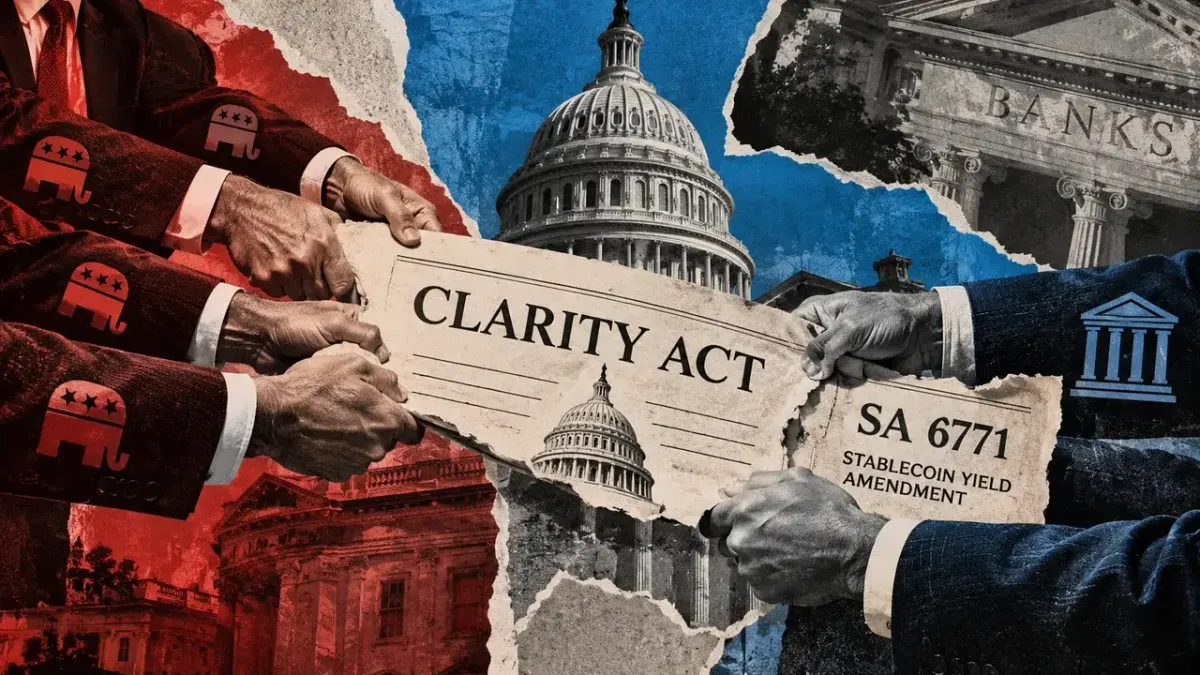
Four GOP senators backing CLARITY Act seek changes to stablecoin provisions

US investigates Binance for potential Iran-linked trading violations
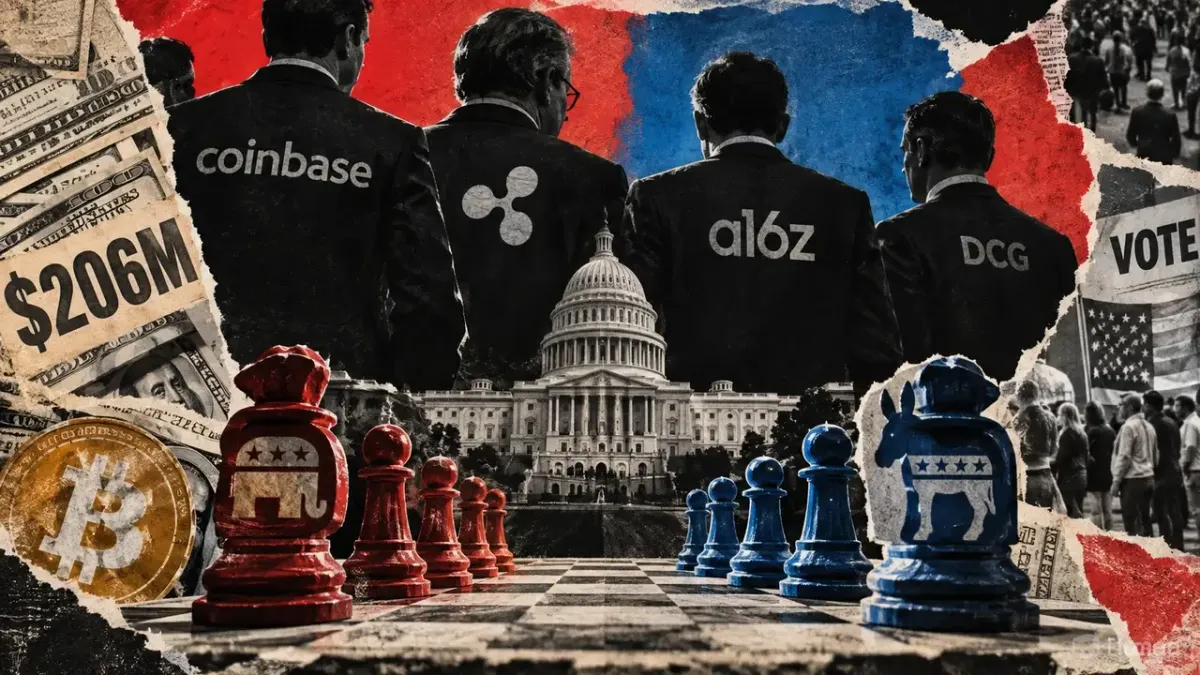
Crypto sector emerges as top donor with $206 million in midterms backing