Rep. Steil introduces bill to block lawmakers from placing prediction markets bets on public policy issues
Representative Bryan Steil has introduced a new piece of legislation that seeks to prohibit lawmakers and their family members from placing bets on prediction markets related to public policy issues. This bill comes in response to growing concerns about the ethical implications of politicians profiting from speculative bets on political outcomes, which some believe could lead to conflicts of interest or corruption. The proposed legislation aims to maintain the integrity of public office by ensuring that lawmakers remain impartial and focused on serving their constituents, rather than engaging in potentially lucrative betting activities.
The context surrounding this bill is rooted in the broader discussions about the ethics of prediction markets, especially as they relate to political events. Prediction markets have gained traction over the years, allowing individuals to bet on the outcomes of elections, legislative decisions, and other political developments. While these markets can provide insights into public sentiment and forecast outcomes, they also raise questions about the potential for lawmakers to exploit their positions for personal gain. Steil's introduction of this bill reflects a growing awareness of the need for regulation in this area to uphold ethical standards in governance.
This legislation is significant for the market as it addresses the intersection of politics and financial speculation. If passed, it could set a precedent for how lawmakers engage with prediction markets, potentially leading to stricter regulations on who can participate in these betting platforms. The move may also influence the perception of prediction markets among the public, as they could become associated with ethical controversies rather than simply being tools for gauging political sentiment. As lawmakers grapple with these issues, the implications of this bill may resonate throughout the crypto and betting industries, which are closely tied to the broader political landscape.
Reactions from the industry have been mixed, with some experts applauding the bill as a necessary step to preserve the integrity of public office, while others argue that it may stifle innovation in prediction markets. Proponents of the legislation emphasize the importance of maintaining ethical standards for elected officials, arguing that allowing lawmakers to profit from betting on political outcomes undermines public trust. Conversely, critics suggest that restricting participation in prediction markets could limit the ability of these platforms to accurately reflect political sentiment, potentially leading to less informed decision-making.
Looking ahead, the future of this legislation remains uncertain as it will need to navigate the complexities of Congress. Stakeholders from both the political and prediction market spheres will likely keep a close eye on the bill's progress. If it gains traction, it may prompt further discussions about the regulatory framework surrounding prediction markets, potentially leading to broader implications for how these platforms operate in the context of political betting. As this situation develops, we will be monitoring the landscape closely for any new developments.

CoinMagnetic Team
Crypto investors since 2017. We trade with our own money and test every exchange ourselves.
Updated: June 2026
From our insights:
Related news
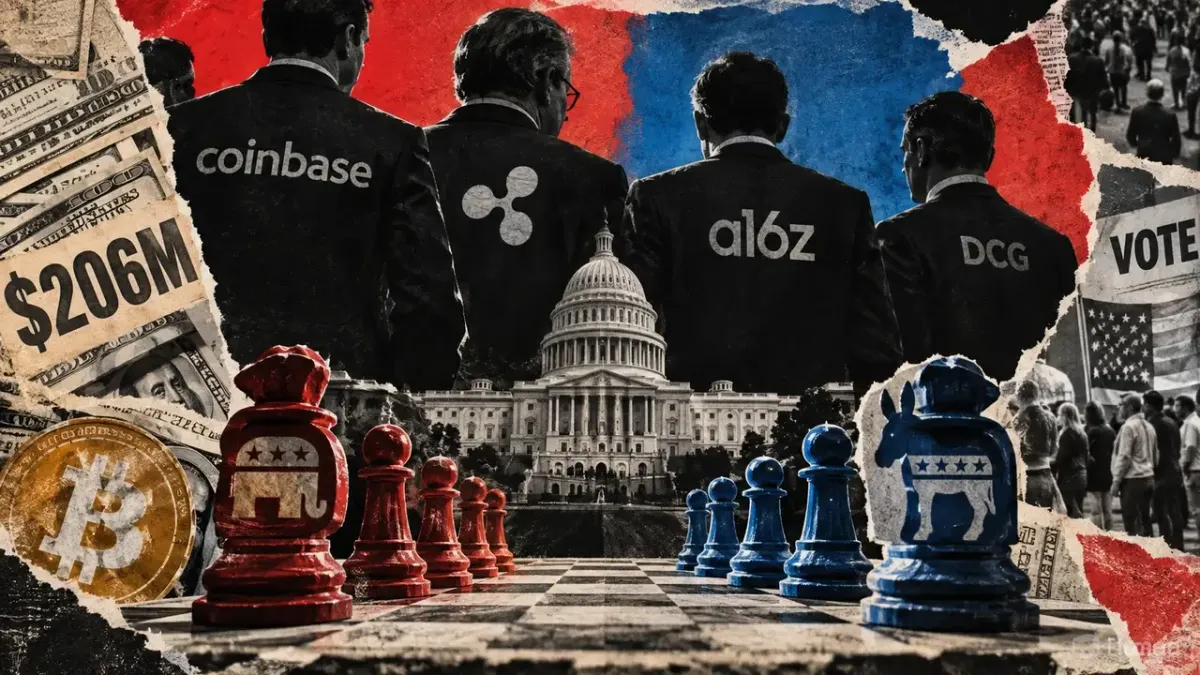
Crypto sector emerges as top donor with $206 million in midterms backing
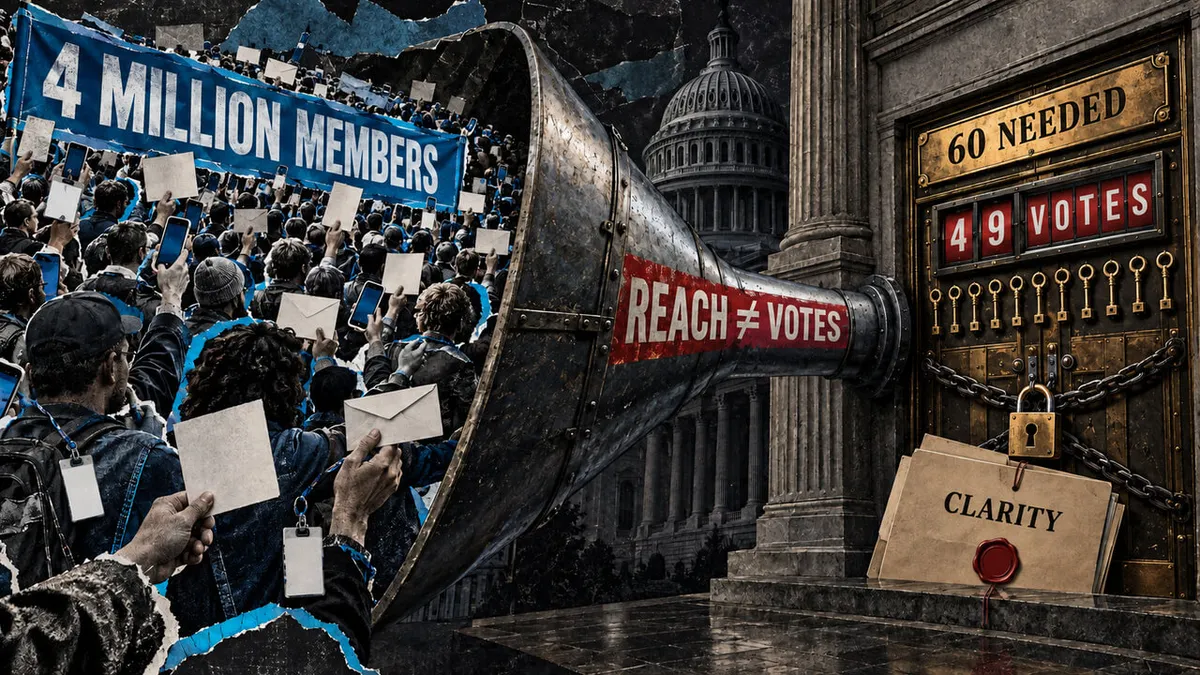
Stand With Crypto’s 4 million registered advocates couldn’t get the CLARITY Act through the Senate

Kakao Pay, KakaoBank to explore stablecoin opportunities with Fireblocks

US Attorney's investigation into Binance focuses on Iran sanctions compliance

ECB initiates wholesale digital euro for banks and tokenized bond purchases