Reform UK's Farage 'Evading' Scrutiny Over Tether Billionaire's $6.7M Gift: Labour
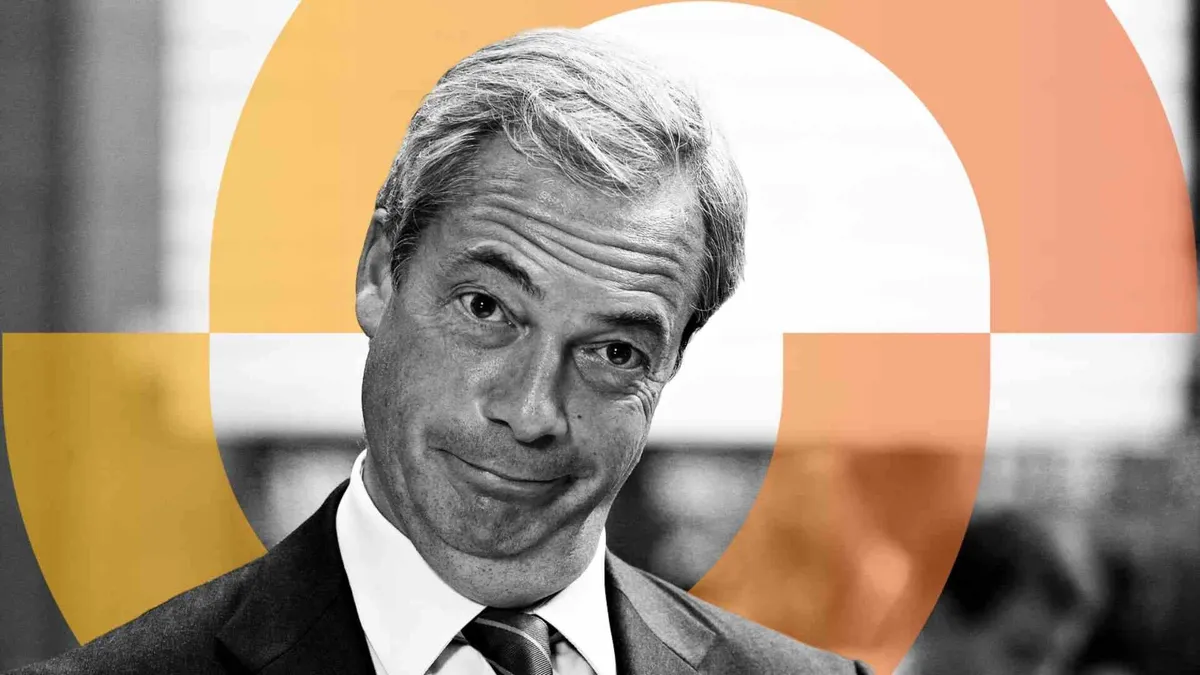
The recent controversy surrounding Nigel Farage has escalated as Labour Party Chair Anna Turley has publicly accused him of "evading reasonable scrutiny" regarding a significant financial gift he received. The gift, amounting to $6.7 million from Tether billionaire Christopher Harborne, has raised eyebrows and prompted questions about potential implications for transparency and accountability in UK politics. Turley's letter highlights concerns that such a substantial donation could influence Farage's political actions and decisions, particularly in the context of the ongoing debates about cryptocurrency regulation and financial ethics.
This incident comes against the backdrop of increasing scrutiny of political donations within the UK, especially those linked to the burgeoning cryptocurrency industry. Farage, a prominent figure in the Brexit movement and a vocal advocate for financial deregulation, has been under the spotlight for his ties to various cryptocurrency entities. The rise of digital currencies has led to significant financial contributions from crypto investors, prompting concerns about the influence of wealth on political decisions. This situation is further complicated by the lack of stringent regulations governing political donations in the UK, which many argue need to be updated to reflect the realities of modern finance.
The implications of this controversy are significant for the market and the broader political landscape. Should it be revealed that Farage has any conflicts of interest related to Harborne’s donation, it could undermine trust in both Farage and the cryptocurrency industry as a whole. Political donations from wealthy individuals to politicians–especially in a sector as volatile and often unregulated as cryptocurrency–can create perceptions of impropriety and bias. This situation may lead to calls for stricter regulations on political financing in the crypto space, potentially impacting how cryptocurrency firms engage with political leaders going forward.
Industry experts have weighed in on the issue, suggesting that transparency is critical to maintaining public trust in both politicians and the cryptocurrency market. Many in the crypto community are advocating for clearer guidelines surrounding political donations to prevent the perception of corruption. Some believe that this situation could serve as a catalyst for a broader discussion on the ethical responsibilities of politicians receiving large contributions from individuals with vested interests in emerging technologies. Overall, the reaction from both political and crypto circles indicates a desire for more accountability.
Looking ahead, it will be interesting to see how this controversy unfolds and whether it leads to any significant changes in the regulatory landscape. As the Labour Party continues to press for answers, Farage's response will be critical in shaping public perception. Furthermore, if this situation prompts a broader examination of political donations in the UK, it could have lasting implications for how cryptocurrency companies navigate their relationships with politicians and regulators alike. The coming weeks will be crucial in determining the outcome of this scrutiny and its potential impact on both the political and cryptocurrency arenas.

CoinMagnetic Team
Crypto investors since 2017. We trade with our own money and test every exchange ourselves.
Updated: June 2026
From our insights:
Related news

Crypto sector emerges as top donor with $206 million in midterms backing
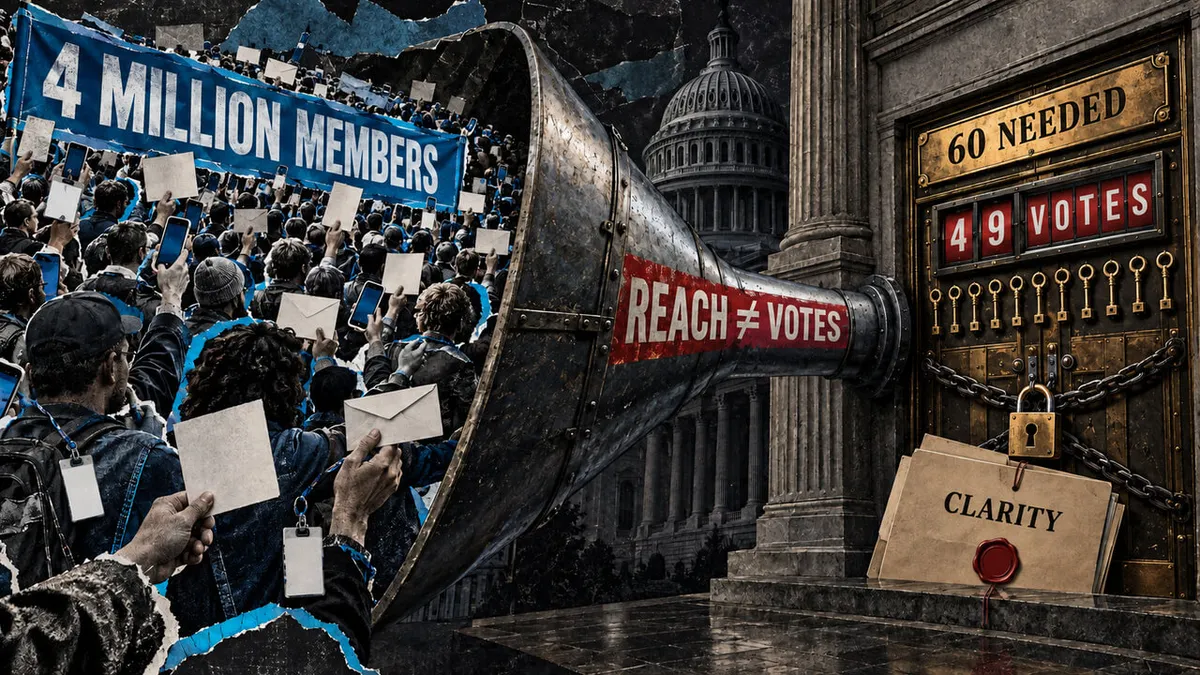
Stand With Crypto’s 4 million registered advocates couldn’t get the CLARITY Act through the Senate

Kakao Pay, KakaoBank to explore stablecoin opportunities with Fireblocks

US Attorney's investigation into Binance focuses on Iran sanctions compliance
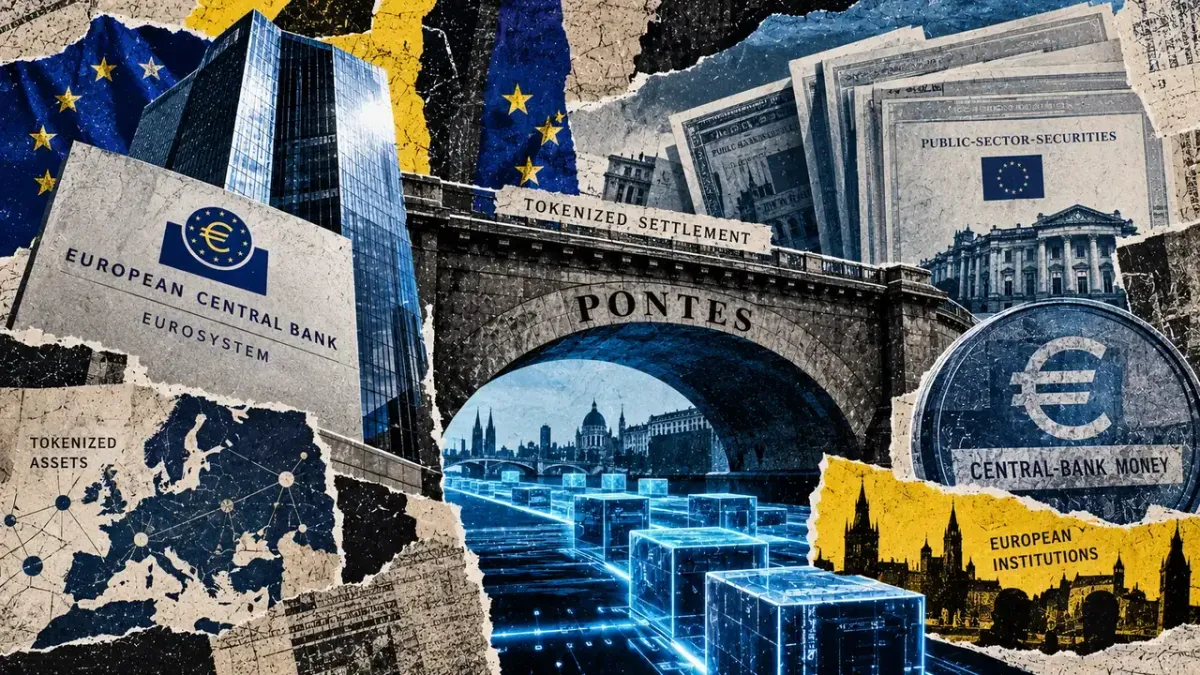
ECB initiates wholesale digital euro for banks and tokenized bond purchases