Protesters March on OpenAI, Anthropic, and Google DeepMind Demanding AI Development Pause
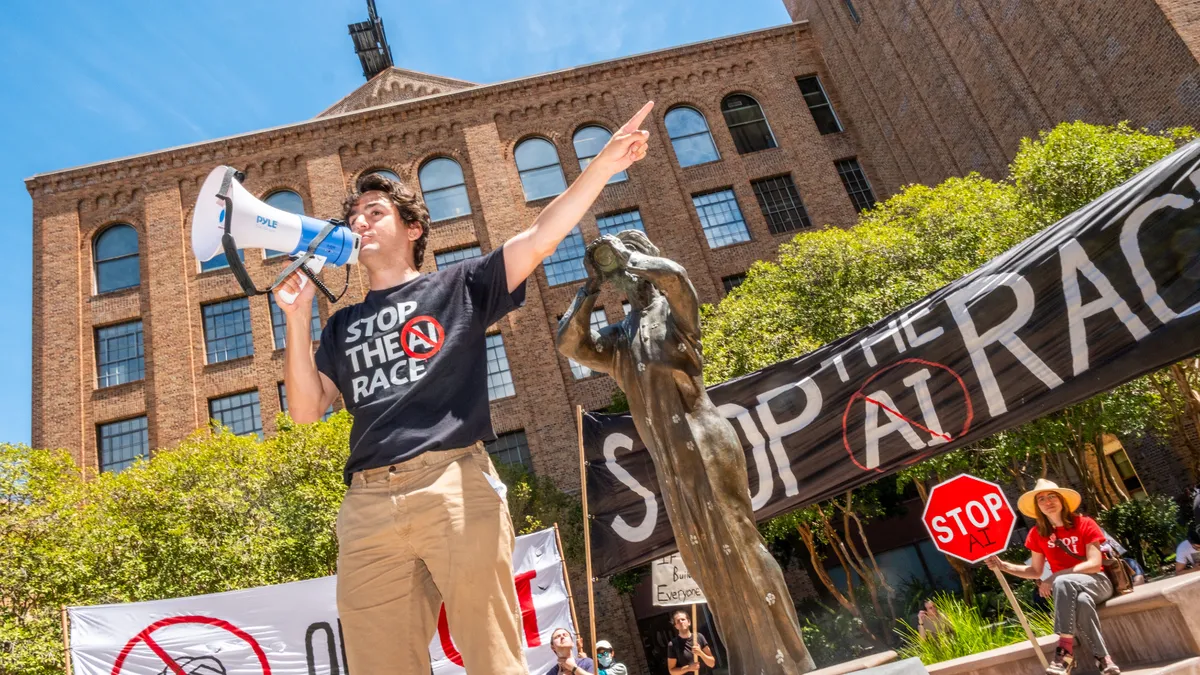
This past Saturday, approximately 200 protesters gathered in San Francisco, rallying against major AI companies such as OpenAI, Anthropic, and Google DeepMind. The demonstrators called for an immediate pause in the development of advanced artificial intelligence models, voicing concerns that range from AI safety to potential job loss and environmental impacts. The protest highlighted a growing unease within society regarding the rapid advancement of AI technologies and their far-reaching implications. Participants carried signs and shouted slogans, emphasizing their demand for regulation and more responsible development practices in the AI sector.
The backdrop of this protest is the escalating debate over artificial intelligence and its societal impact. As AI models become increasingly sophisticated, experts and the general public alike have raised alarms about the ethical implications and potential risks associated with such technology. Previous discussions have centered on issues like algorithmic bias, data privacy, and the displacement of jobs. With tech giants at the forefront of this revolution, many activists argue that the pace of development has outstripped the establishment of necessary regulatory frameworks, making this protest a pivotal moment in the ongoing discourse about AI governance.
This demonstration is significant for the market as it underscores a growing trend of skepticism and caution towards AI advancements. Investors and stakeholders are likely to be attuned to public sentiment, as widespread protests could impact the reputation of these companies and create pressure for regulatory action. Furthermore, the call for a development pause could disrupt ongoing projects and strategic plans within these firms, potentially leading to shifts in investment priorities. As stakeholders evaluate the long-term implications of public resistance to AI, the market may respond with increased volatility while recalibrating expectations around AI development timelines.
Industry reactions to the protests have been varied. Some experts and AI advocates have expressed support for the demonstrators' concerns, emphasizing the need for ethical guidelines and safety measures in AI development. Others, however, caution against a blanket pause, arguing that halting progress could stifle innovation and hinder the potential benefits of AI technologies. The conversation is increasingly becoming a balancing act between fostering innovation and ensuring that it aligns with societal values and safety standards.
Looking ahead, the protest may catalyze further discussions among policymakers, technologists, and the public about the future of AI. As concerns mount, we may see an increased push for regulatory frameworks that prioritize safety and ethical considerations in AI development. Additionally, ongoing dialogue could prompt companies to adopt more transparent practices and engage with communities to address their fears. The outcome of this protest could shape not only the operational strategies of major AI firms but also the broader narrative around the role of artificial intelligence in our lives.

CoinMagnetic Team
Crypto investors since 2017. We trade with our own money and test every exchange ourselves.
Updated: July 2026
From our insights:
Related news

Palantir UK chief says Europe is falling behind on enterprise artificial intelligence

NEXTPredict Paid $12,000 to Hedge Its Conference on a Prediction Market

XRP Ledger integer overflow from 2015 allowed creation of fake XRP
Tom Lee highlights $2 trillion wealth transfer as Bitmine builds major ether position

Nasdaq debut of Evernorth pushes XRP treasury shares up 5 percent at open