Philippines' central bank says Binance and its local partner lack licenses to operate
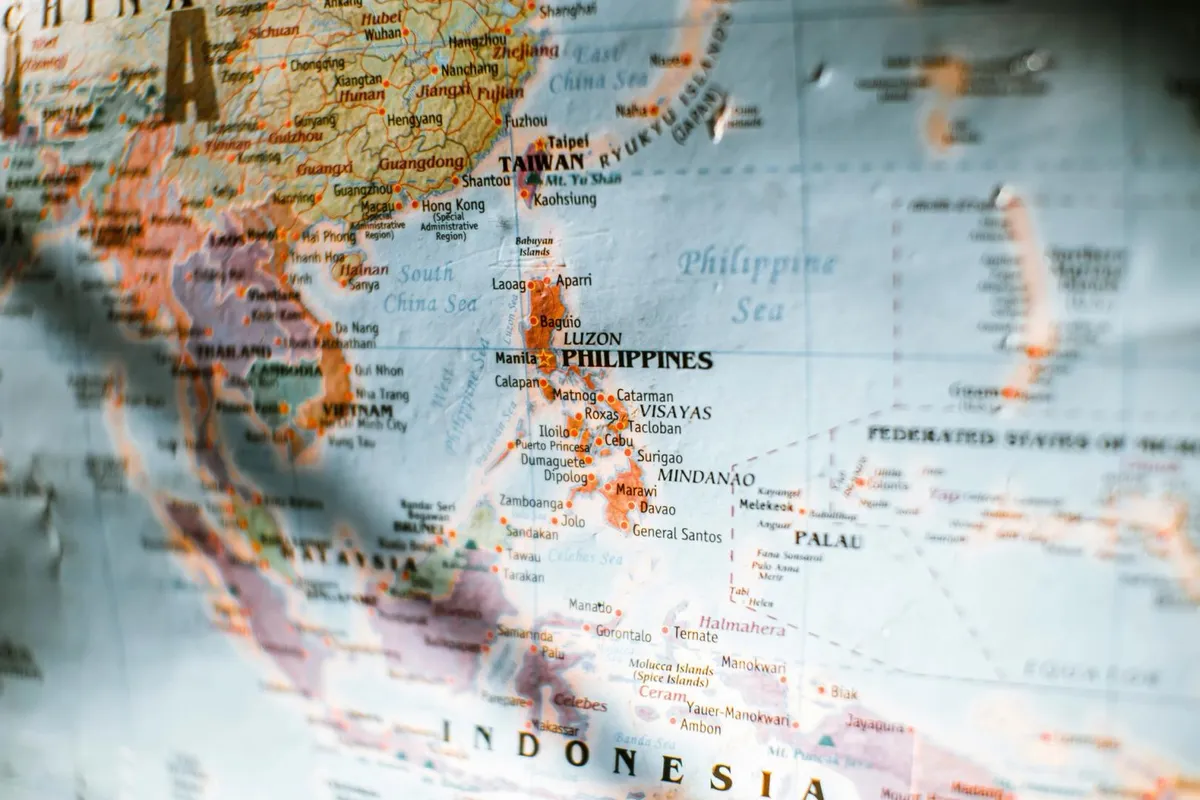
In a recent statement, the Bangko Sentral ng Pilipinas (BSP), the central bank of the Philippines, has asserted that Binance, along with its local partner, is operating without the requisite licenses to legally conduct business in the country. This revelation comes as part of the BSP's ongoing efforts to regulate cryptocurrency exchanges and protect consumers from potential risks associated with unlicensed operations. The central bank emphasized the importance of compliance with local laws and regulations, reminding the public to exercise caution when engaging with platforms that do not possess the necessary authorizations.
The context surrounding this announcement is rooted in the Philippines' evolving regulatory landscape for cryptocurrencies. The country has been actively working to create a framework that supports innovation while safeguarding users from fraud and other financial risks. In the past, several cryptocurrency exchanges have faced scrutiny for operating without licenses, prompting the BSP to take a more assertive stance. This latest development regarding Binance highlights the ongoing tension between regulatory bodies and prominent players in the crypto industry as they navigate compliance and operational legitimacy.
This news is significant for the broader cryptocurrency market, particularly for Binance, which has been under pressure globally from various regulatory authorities. The lack of a license in the Philippines could hinder Binance's ability to attract and retain users in a region where interest in cryptocurrencies is growing. For investors and traders, this situation raises concerns about the operational stability of exchanges that may be vulnerable to regulatory actions, potentially impacting market sentiment and trading volumes.
Industry reactions to the BSP's announcement have been mixed. Some experts argue that regulatory clarity is essential for the long-term growth of the crypto market, as it helps weed out bad actors and builds trust among users. Others, however, express concern that stringent regulations could stifle innovation and push companies to operate in less regulated jurisdictions. As the situation unfolds, it will be important to monitor how Binance responds to these regulatory challenges, as well as how other exchanges adapt to similar scrutiny.
Looking ahead, the implications of the BSP's announcement may lead to a ripple effect throughout the region. Other countries in Southeast Asia could take cues from the Philippines' regulatory approach, potentially prompting a wave of similar actions against unlicensed exchanges. As Binance and its local partner address these regulatory hurdles, it will be crucial for them to engage in constructive dialogue with the BSP and demonstrate their commitment to compliance. This ongoing situation serves as a reminder of the dynamic relationship between regulatory authorities and the fast-evolving cryptocurrency landscape.

CoinMagnetic Team
Crypto investors since 2017. We trade with our own money and test every exchange ourselves.
Updated: June 2026
From our insights:
Related news
US investigates Binance for potential Iran-linked trading violations
Crypto sector emerges as top donor with $206 million in midterms backing
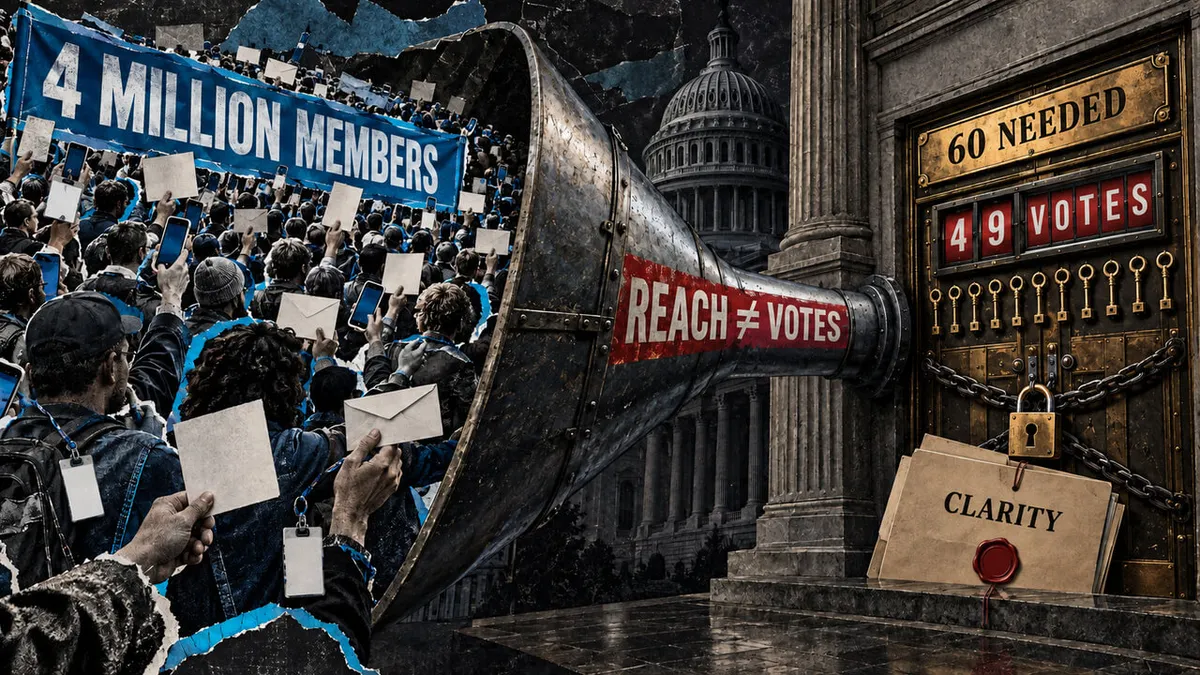
Stand With Crypto’s 4 million registered advocates couldn’t get the CLARITY Act through the Senate

Kakao Pay, KakaoBank to explore stablecoin opportunities with Fireblocks

US Attorney's investigation into Binance focuses on Iran sanctions compliance