Philippine SEC signals readiness for RWA tokenization

The Philippine Securities and Exchange Commission (SEC) is signaling a significant shift in its regulatory approach by indicating a readiness to embrace the tokenization of real-world assets (RWA). SEC Commissioner Rogelio Quevedo shared insights with Cointelegraph, highlighting that tokenized assets could provide Filipinos with more legitimate investment options. This move comes as a response to the increasing prevalence of scams in the investment landscape, as the SEC aims to create a safer environment for individual investors in the rapidly evolving digital asset ecosystem.
The context of this development is rooted in the broader trend of asset tokenization, which has gained traction in various global markets. Tokenization refers to the process of converting ownership rights of a physical asset into a digital token on a blockchain. This process can enhance liquidity, reduce operational costs, and broaden access to investment opportunities. In the Philippines, where many citizens are seeking alternate investment avenues, the SEC's willingness to explore tokenization reflects an understanding of the need for modern financial solutions in an increasingly digital world.
This regulatory pivot is significant for the market as it opens the door to innovative investment vehicles that could attract both local and international investors. By endorsing RWA tokenization, the SEC may not only enhance the legitimacy of the digital asset space but also contribute to financial inclusion among Filipinos. As investors gain access to tokenized assets–ranging from real estate to commodities–they may feel more secure in their investments, potentially leading to a more vibrant and robust investment landscape in the country.
Industry experts have applauded the SEC's initiative, noting that it could set a precedent for other regulatory bodies in the region. The move is seen as a proactive step towards establishing clear guidelines and frameworks that can encourage responsible innovation in the crypto space. Stakeholders are optimistic that this approach will not only protect investors from fraudulent schemes but also foster a culture of compliance and transparency within the industry.
Looking ahead, the SEC's next steps will be crucial in shaping the future of RWA tokenization in the Philippines. As the regulatory framework develops, we can expect further discussions around compliance requirements, investor protections, and the overall impact on the financial ecosystem. The ongoing dialogue between regulators and industry participants will be essential to ensuring that the benefits of tokenization are realized while minimizing risks for investors. As this conversation unfolds, all eyes will be on the Philippines to see how its approach to tokenization could influence the broader Asian market.

CoinMagnetic Team
Crypto investors since 2017. We trade with our own money and test every exchange ourselves.
Updated: June 2026
From our insights:
Related news
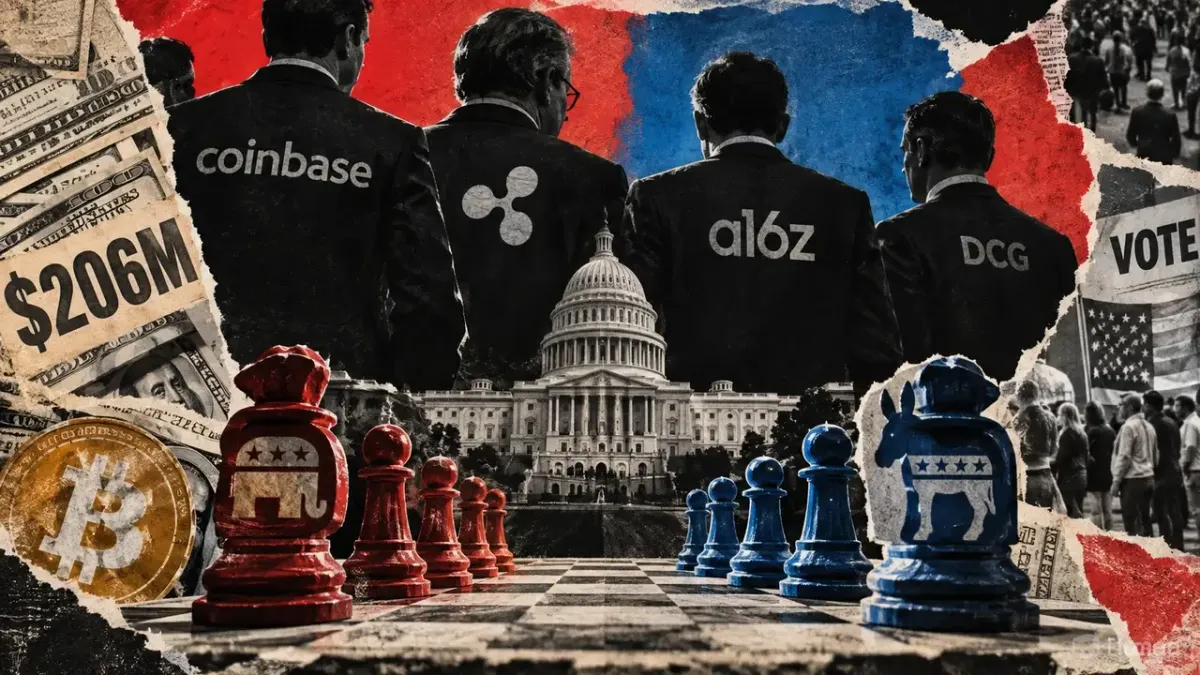
Crypto sector emerges as top donor with $206 million in midterms backing
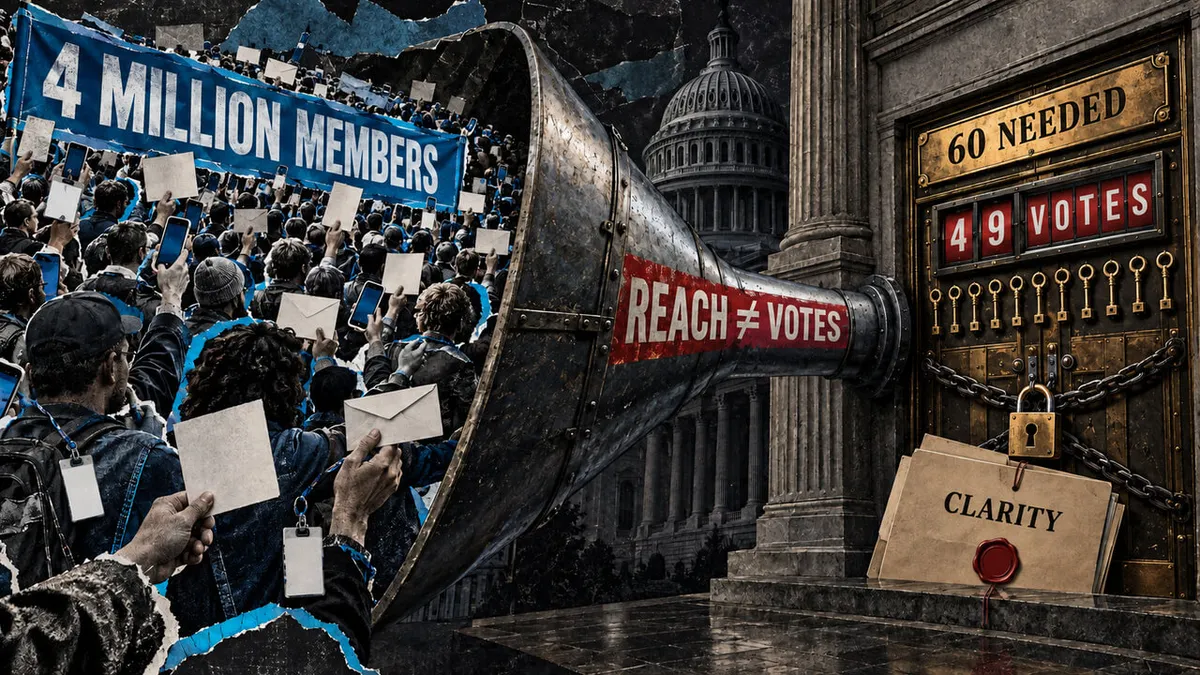
Stand With Crypto’s 4 million registered advocates couldn’t get the CLARITY Act through the Senate
Kakao Pay, KakaoBank to explore stablecoin opportunities with Fireblocks
US Attorney's investigation into Binance focuses on Iran sanctions compliance
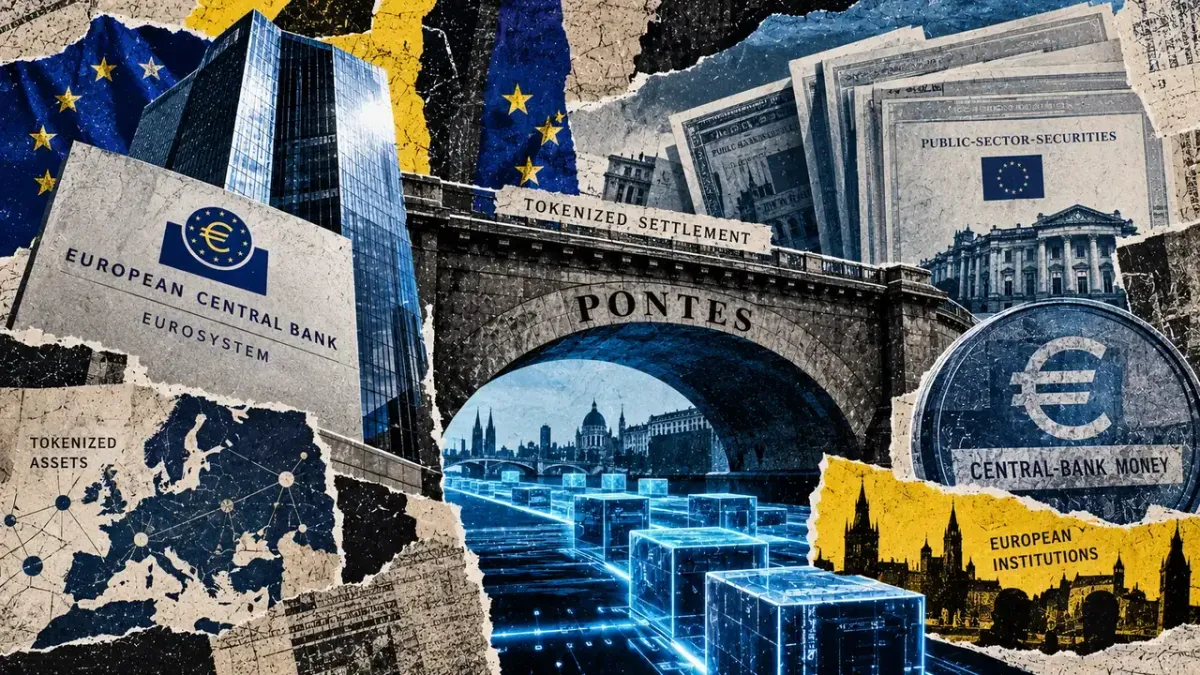
ECB initiates wholesale digital euro for banks and tokenized bond purchases