NY judge stays lawsuit seeking ownership of nearly 40,000 bitcoin wallets, sets July hearing on proposed amicus brief

A New York judge has decided to stay a lawsuit that seeks ownership of nearly 40,000 Bitcoin wallets, which has garnered significant attention in the crypto community. The case revolves around a legal argument concerning whether assets controlled by private keys can be claimed under New York's lost-and-found statute. A proposed amicus brief submitted by attorney Ian R. Cohen contends that the statute does not apply to digital assets, raising questions about the legal status of cryptocurrencies and how they should be treated under existing laws. The judge has scheduled a hearing for July to discuss this brief, which could have implications for similar cases in the future.
The backdrop to this legal case underscores the ongoing struggles surrounding the regulation and classification of cryptocurrencies. As digital assets continue to grow in value and popularity, legal frameworks often lag behind technological advancements. This particular lawsuit has emerged as a critical test case for the intersection of digital asset ownership and traditional property laws. The argument presented in the amicus brief highlights the complexities involved in establishing ownership of cryptocurrencies, especially when considering the unique nature of private keys and their role in accessing digital wallets.
This case matters significantly for the broader cryptocurrency market as it could set a legal precedent that impacts how digital assets are viewed under the law. A ruling in favor of the lawsuit could open the floodgates for similar claims, potentially destabilizing the current understanding of asset ownership in the crypto space. Conversely, a ruling that upholds the amicus brief’s stance may reinforce the security and autonomy of private key management, giving greater confidence to crypto holders regarding the protection of their assets.
Industry reactions have been varied, with some experts expressing concern over the implications of applying lost-and-found laws to cryptocurrencies. Critics argue that such an approach could undermine the fundamental principles of decentralization and ownership that cryptocurrencies are built upon. Others see this as an opportunity to clarify the legal status of digital assets, which could ultimately benefit the market by providing clearer guidelines for both investors and regulators.
Looking ahead, the hearing set for July will be pivotal in determining the direction of this case. The outcome could influence not just this specific lawsuit, but also future legal interpretations of asset ownership in the cryptocurrency realm. As the date approaches, stakeholders across the crypto industry will be closely monitoring developments, as the implications could resonate far beyond New York–shaping the legal landscape for digital assets nationwide.

CoinMagnetic Team
Crypto investors since 2017. We trade with our own money and test every exchange ourselves.
Updated: June 2026
From our insights:
Related news

Crypto sector emerges as top donor with $206 million in midterms backing
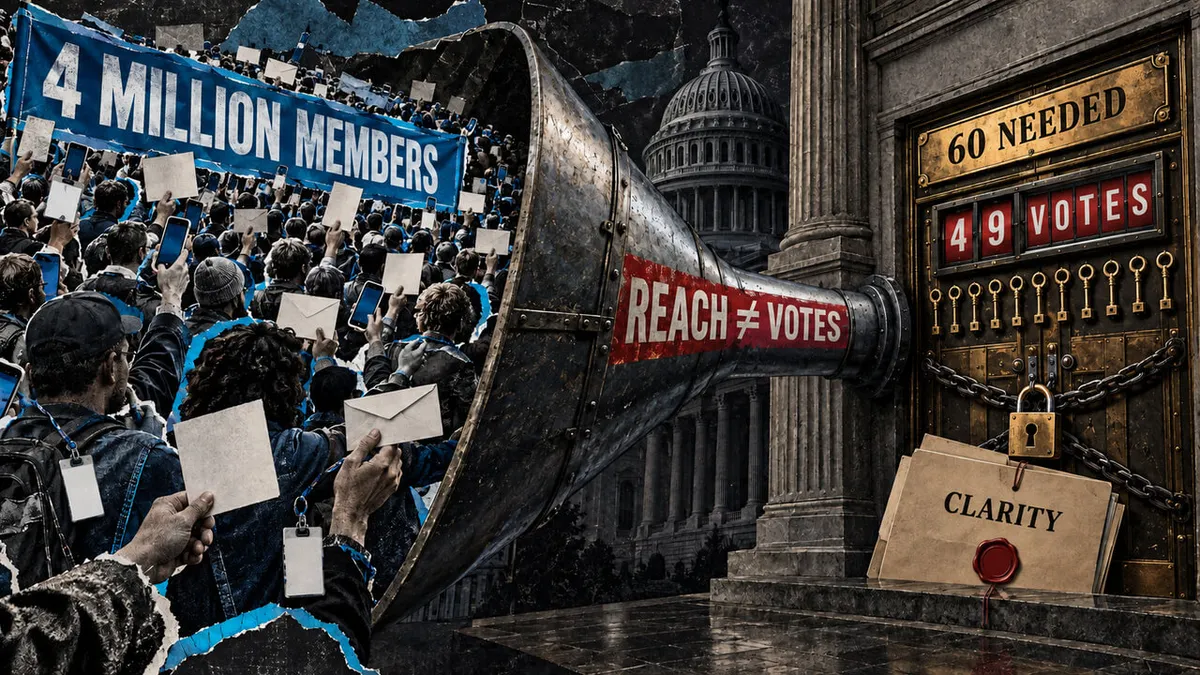
Stand With Crypto’s 4 million registered advocates couldn’t get the CLARITY Act through the Senate

Kakao Pay, KakaoBank to explore stablecoin opportunities with Fireblocks

US Attorney's investigation into Binance focuses on Iran sanctions compliance

ECB initiates wholesale digital euro for banks and tokenized bond purchases