New CFTC Rules on Prediction Markets Would Ban Wagers on Ouster of US Enemies
The Commodity Futures Trading Commission (CFTC) has proposed new rules that would reshape the landscape of prediction markets significantly. These regulations aim to ban wagers on outcomes that could be influenced by acts of war or assassination. This includes, but is not limited to, markets that could in any way pertain to the potential ousting of foreign leaders or enemies of the United States. The proposed changes have sparked considerable discussion within both the political and financial arenas, as they could limit the scope of prediction markets in ways that have not been seen before.
To understand the implications of these proposed rules, it is essential to consider the historical context of prediction markets. These platforms have traditionally offered a space for individuals to bet on the outcomes of various events, ranging from elections to sports. However, their intersection with geopolitical events has raised ethical and moral questions regarding the implications of profiting from violence or instability. The CFTC's move appears to be a direct response to concerns that such markets could inadvertently promote or incentivize harmful actions, especially in contexts involving national security.
This regulatory shift could have significant ramifications for the market at large. By restricting the types of events that can be wagered upon, the CFTC may inadvertently stifle innovation in the prediction market sector. Additionally, the proposed rules may drive participants to less regulated platforms, which could lack the safeguards that come with oversight, potentially leading to a more chaotic and less transparent environment. For investors and market participants, this could mean navigating a more restricted landscape, which could affect liquidity and the overall attractiveness of prediction markets as investment instruments.
Industry reactions to the proposed rules have been mixed, with some experts arguing that the regulations are a necessary step to prevent the commodification of violence and political instability. Others, however, believe that the rules could hinder the ability of markets to provide valuable insights into public sentiment and potential outcomes. Some commentators highlight the irony in restricting markets that could offer foresight into geopolitical trends, suggesting that such knowledge could be crucial for decision-making among investors and policymakers alike.
Looking ahead, the future of prediction markets will hinge on the final outcomes of these proposed regulations. If the CFTC moves forward with its current stance, we may see a significant shift in how prediction markets operate, potentially leading to new innovations that align with regulatory standards. Conversely, if there is pushback from the industry or if the rules are softened, it may allow for a more robust marketplace where participants can engage in a wider variety of outcomes. As stakeholders await further developments, the conversation surrounding the ethical implications and market dynamics of prediction markets will likely continue to evolve.

CoinMagnetic Team
Crypto investors since 2017. We trade with our own money and test every exchange ourselves.
Updated: June 2026
From our insights:
Related news

US investigates Binance for potential Iran-linked trading violations

Crypto sector emerges as top donor with $206 million in midterms backing
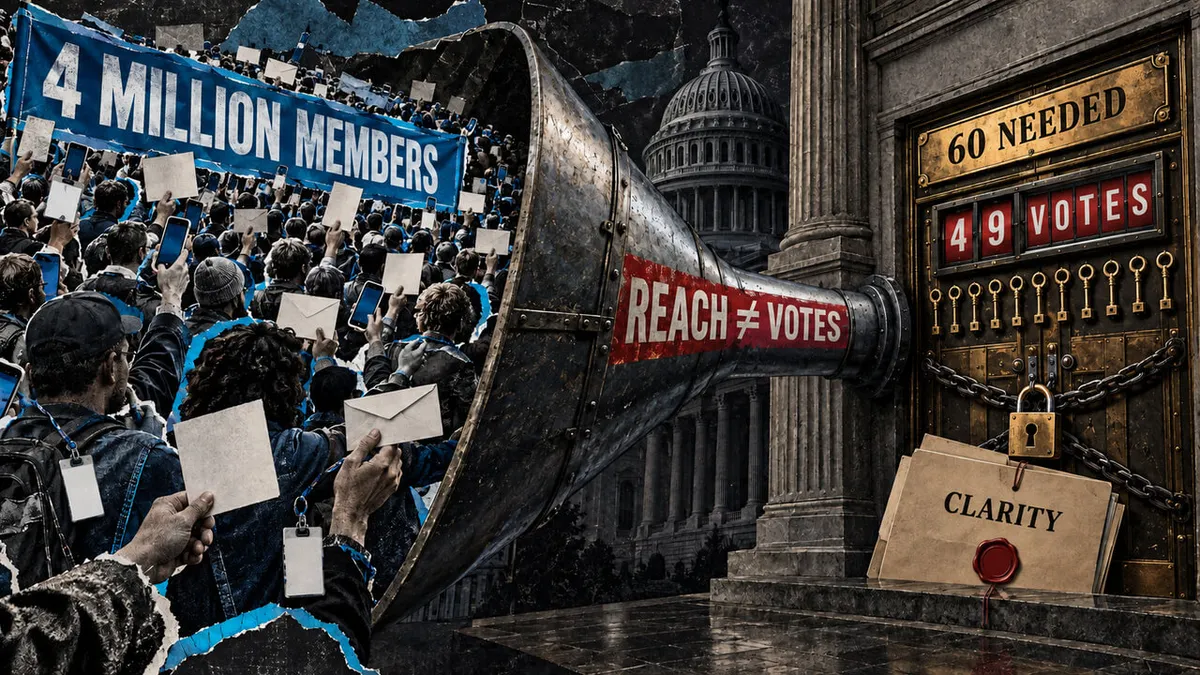
Stand With Crypto’s 4 million registered advocates couldn’t get the CLARITY Act through the Senate

Kakao Pay, KakaoBank to explore stablecoin opportunities with Fireblocks

US Attorney's investigation into Binance focuses on Iran sanctions compliance