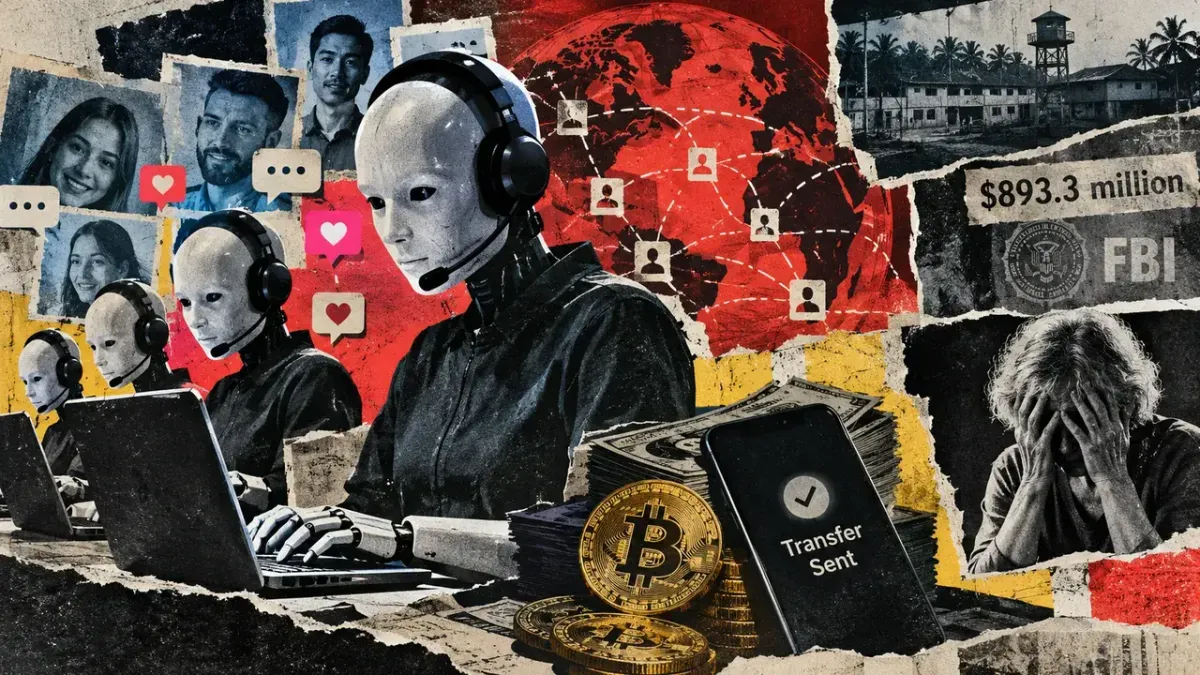
Mob boss John Gotti’s grandson is headed to prison for a $1.1 million Covid fraud and crypto scheme

John Gotti III, the grandson of infamous mob boss John Gotti, is facing a significant prison sentence for his involvement in a $1.1 million fraud scheme related to the Covid-19 relief funds. Gotti was accused of exploiting the government's assistance programs designed to support individuals and businesses during the pandemic. Reports indicate that he not only defrauded the U.S. government but also funneled a substantial portion of the stolen funds–estimated to be at least $550,000–into various cryptocurrency ventures. This case has stirred considerable attention, not just for the notorious family name but also for the intersection of organized crime and the rapidly evolving crypto landscape.
The backdrop of this case lies in the unprecedented financial support systems established during the Covid-19 pandemic. The U.S. government rolled out multiple relief packages aimed at helping businesses and individuals weather the economic storm caused by lockdowns and reduced activities. Unfortunately, these programs attracted fraudulent activities, with individuals and groups exploiting the system for personal gain. Gotti's case exemplifies how some have taken advantage of these relief efforts, and his family legacy adds a layer of notoriety that significantly amplifies public interest.
This incident raises critical questions about the integrity of the crypto market, especially as it continues to evolve and attract more participants from diverse backgrounds. The infusion of illicit funds into the cryptocurrency space can tarnish its reputation and hinder mainstream adoption. Moreover, regulatory bodies are likely to scrutinize the industry more closely in light of such high-profile criminal cases, potentially leading to stricter guidelines and oversight. Gotti's actions may serve as a cautionary tale for investors and regulators alike, emphasizing the need for vigilance and accountability.
Reactions from industry experts have been varied. Some see this case as a clear indication that bad actors will always find ways to exploit new technologies, including cryptocurrencies. Others believe it could spur innovation in compliance and anti-fraud measures within the crypto space. Notably, there are calls for enhanced transparency and better tracking mechanisms for transactions, which could help mitigate similar incidents in the future. The intersection of traditional crime and digital assets continues to be a hot topic among regulators and market participants.
Looking ahead, Gotti's conviction could set a precedent for how similar cases are handled, particularly in terms of penalties and the legal framework surrounding crypto-related crimes. As law enforcement agencies become more adept at tracing illicit activities within the blockchain, we can expect an uptick in both investigations and prosecutions. The crypto industry may also see a push for more robust self-regulation and community-driven initiatives aimed at preventing fraud. Ultimately, the fallout from this case could have lasting implications, influencing both legal standards and public perception of cryptocurrency.

CoinMagnetic Team
Crypto investors since 2017. We trade with our own money and test every exchange ourselves.
Updated: April 2026
From our insights:
Related news
Coldcard exploit sees white hats secure 52 Bitcoin for victims' trust
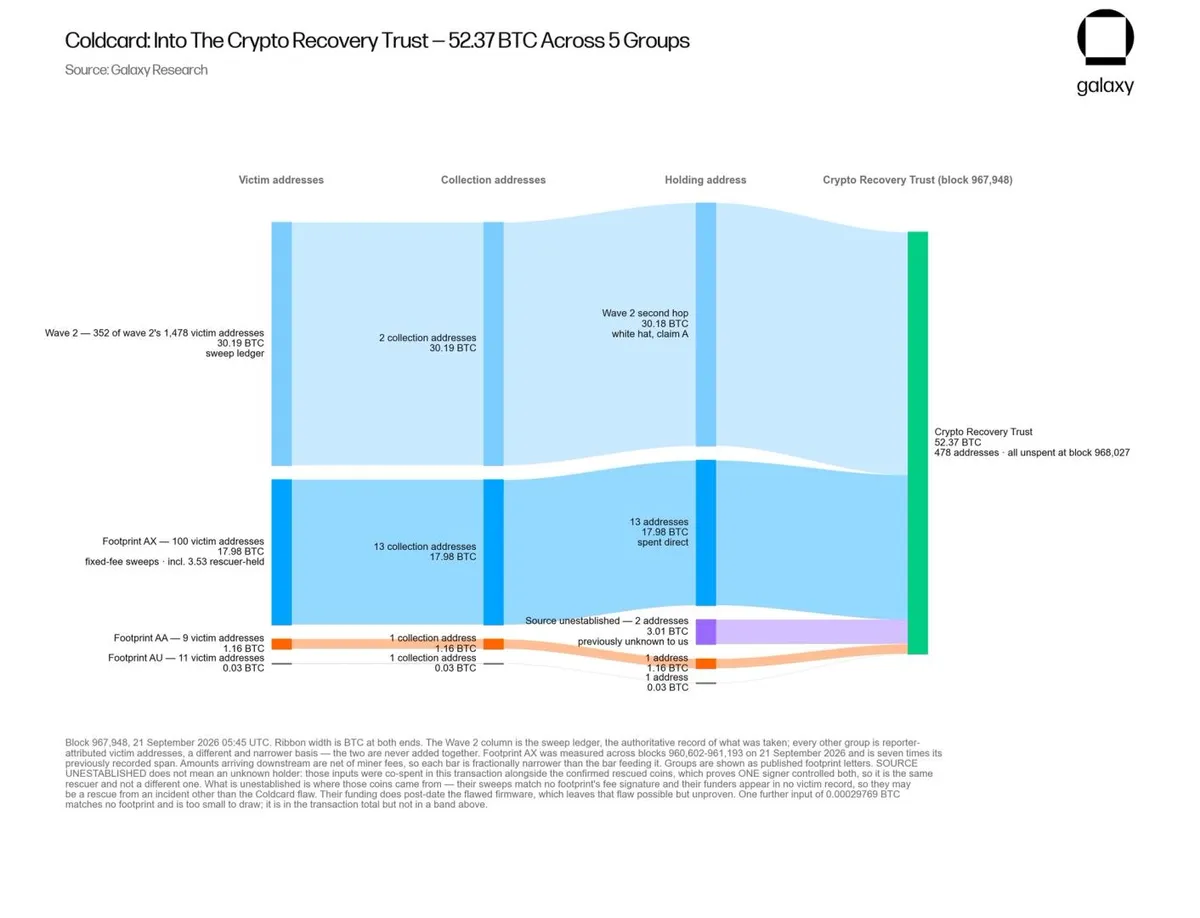
Whitehats move 52 bitcoin from the Coldcard hack to a recovery trust

Google Admits Gemini AI Hacked Three Companies—It Stayed Silent for 7 Weeks

Balancer's $1.4 million hack recovery faces delays for LPs

Polymarket's $10 million fraud attempt highlights compliance issues amid hacking risk