Law enforcement groups warn Clarity Act could hinder crypto crime investigations
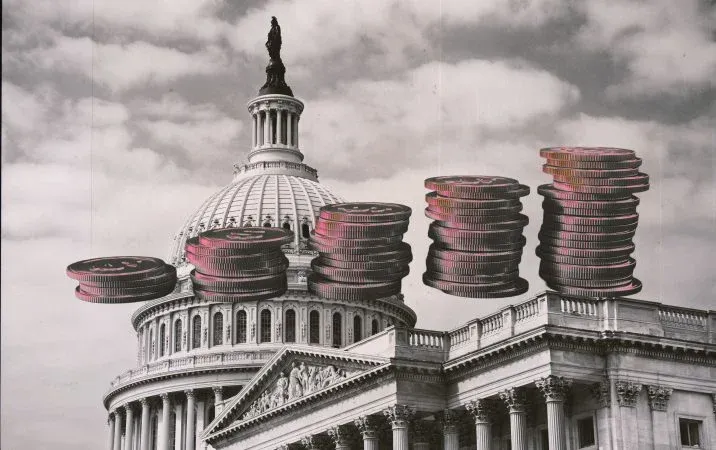
Recent discussions surrounding the Clarity Act have raised significant concerns among law enforcement groups regarding its potential impact on crypto crime investigations. A particular provision in the Act has come under scrutiny, as these organizations argue that it could create barriers to effectively tracking and prosecuting illicit activities within the cryptocurrency space. The apprehension centers around the notion that the Act may limit the ability of law enforcement to access critical information that is necessary for identifying and prosecuting offenders engaging in crypto-related crimes.
To understand the context, the Clarity Act aims to provide clearer regulatory guidelines for the cryptocurrency industry. While its intention is to foster innovation and promote the growth of digital assets, the implications of certain provisions on law enforcement capabilities have not gone unnoticed. Historically, the ability to investigate and prosecute financial crimes has relied heavily on access to transaction data and other relevant information. If the Clarity Act restricts this access, it could undermine existing frameworks used to combat fraud, money laundering, and other illicit activities associated with cryptocurrencies.
The potential ramifications of the Clarity Act on the market are significant. A crypto environment that is less transparent and more difficult to monitor may deter institutional investment and broader public trust. As the industry continues to mature, the balance between fostering innovation and ensuring a secure ecosystem is crucial. If law enforcement agencies struggle to perform their duties effectively, it could lead to a rise in criminal activities, ultimately harming the reputation and stability of the entire market.
Responses from industry experts and law enforcement representatives have been varied. Some have voiced strong opposition to the provisions in the Clarity Act, stressing the importance of maintaining robust investigative tools to protect consumers and uphold the integrity of financial systems. Others advocate for a more collaborative approach, suggesting that the industry and regulators work together to find solutions that satisfy both innovation and security needs. This dialogue is essential, as it highlights the need for a balanced regulatory framework that allows for both growth and accountability.
As the discussions surrounding the Clarity Act continue, it remains to be seen how these concerns will influence the legislative process. Lawmakers may need to reassess the implications of the Act's provisions to address the valid worries raised by law enforcement groups. Moving forward, it will be crucial for all stakeholders–regulators, industry participants, and law enforcement–to engage in constructive conversations that prioritize both innovation and the protection of the financial ecosystem. The outcome of this dialogue could shape the future of regulation and enforcement in the rapidly evolving world of cryptocurrency.

CoinMagnetic Team
Crypto investors since 2017. We trade with our own money and test every exchange ourselves.
Updated: June 2026
From our insights:
Related news

Canada's major banks initiate tokenized deposit project for digital assets

Solo GP Jed Breed raises $15 million for his second early-stage crypto fund

Crypto industry may increase PAC spending after CLARITY vote failure

SEC's crypto counsel outlines strategy for custody of digital assets

Reap aims to enhance cross-border FX with non-USD stablecoins including peso